Alaska Lounge SFO Rejoins Priority Pass With Mandatory $15 Co-Pay

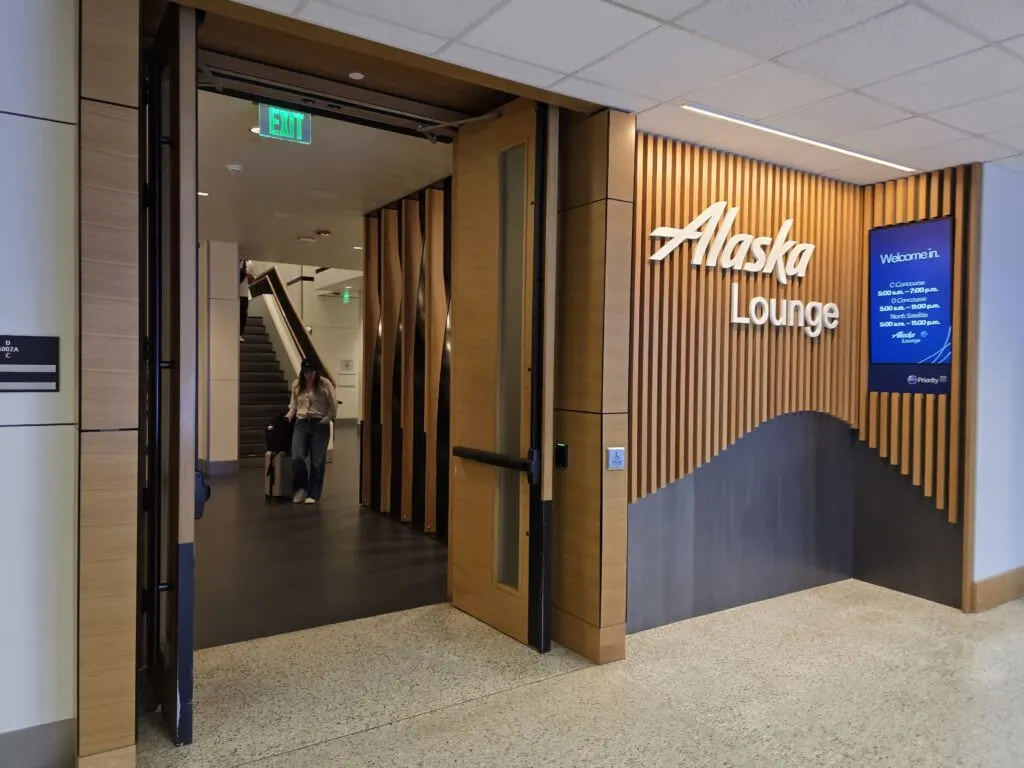
Alaska Airlines' SFO lounge has rejoined Priority Pass with a $15 co-pay, a move reflecting the carrier's significant reduction in flights from the...
Key Takeaways
- •Introduces a mandatory $15 co-pay for Priority Pass members to access the Alaska Lounge at SFO.
- •Reflects Alaska's significant flight reductions at SFO, down from 83 daily departures post-merger to approximately 42.
- •Follows an industry trend of monetizing lounge access, similar to the $35 co-pay at the Virgin Atlantic LAX Clubhouse.
- •Signals the airline's strategic pivot to focus on growth at its San Diego and Portland hubs over San Francisco.
The Alaska Airlines Lounge at San Francisco International Airport (SFO) has rejoined the Priority Pass (PP) network, but access now comes with a new condition: a mandatory $15 co-pay per visit. The policy change is not just a new fee for travelers; it signals a deeper strategic shift for Alaska Airlines, reflecting the carrier's significantly reduced operational footprint at the competitive Bay Area hub.
For Priority Pass members, the change introduces a direct cost for a benefit previously included in their membership, alongside a 4-hour maximum stay and a requirement for a same-day partner airline boarding pass. This move mirrors a growing industry trend of monetizing lounge access to manage overcrowding. However, the context at SFO is unique. The new capacity for third-party passengers exists precisely because Alaska Airlines has systematically drawn down its presence at the airport since its acquisition of Virgin America.
A Shrinking SFO Hub
Data from Cirium highlights the scale of Alaska's retreat. Shortly after the Virgin America merger, the airline operated 83 daily departures to 35 destinations from SFO. Today, that number has been cut nearly in half, to approximately 42 daily departures serving just 24 destinations. This strategic withdrawal has had a direct impact on market dynamics. According to OAG data, Alaska's seat share at SFO fell from 13% in 2018 to 9.5% in 2025. Over the same period, competitor United Airlines solidified its dominance, growing its seat share from 45% to 48.7%.
The reduction in flights has directly impacted travelers, particularly Origin and Destination (O&D) passengers, who now have fewer competitive options on routes previously served by Alaska. The airline's leadership has acknowledged this shift. Kirsten Amrine, Alaska's Vice President of Revenue Management and Network Planning, described the airline's SFO strategy as being in a "holding pattern," citing aircraft availability constraints. Amrine stated, "There's only so many airplanes in the world and I just think that we have more opportunity in San Diego and Portland. But [SFO] is still a hub for us... It's definitely still a focus for us."
Industry Context and Precedents
Charging a co-pay for Priority Pass access is a tactic previously seen in the market. The Virgin Atlantic Clubhouse at Los Angeles International Airport (LAX), for instance, implemented a $35 mandatory fee for PP members to manage high demand. This move set a precedent for premium lounges using fees to balance third-party access with service quality for their own elite flyers.
Alaska Airlines has its own history of managing lounge capacity issues. Between 2019 and 2021, the carrier removed its popular lounges in Portland (PDX) and Anchorage (ANC) from the Priority Pass network altogether due to severe overcrowding. The decision at SFO to introduce a co-pay rather than completely withdraw suggests a different strategy: one aimed at capturing ancillary revenue from available space created by its own network cuts.
Technical Analysis
This development at SFO illustrates a pragmatic, if not passenger-friendly, solution to the dual pressures of lounge economics and network realignment. By implementing a co-pay, Alaska can monetize underutilized lounge assets without compromising the experience for its own premium passengers—a problem that previously led to outright removal of other lounges from the network. The move is a direct consequence of its strategic retreat from the highly competitive SFO market, where it struggled to maintain the scale established by Virgin America against United's fortress hub. The decision to prioritize growth in San Diego and Portland over defending a secondary position in San Francisco reflects a disciplined capital allocation strategy, even if it results in a diminished network for Bay Area customers. This hybrid access model could become a blueprint for other airlines managing lounges in non-core hubs where flight schedules create periods of low utilization.
What Comes Next
Alaska's network realignment is set to continue. The airline has confirmed it will implement further West Coast network cuts in the first half of 2026, which includes the removal of five mainline routes from SFO. This will likely further entrench the new lounge access policy, as the airline will have even more predictable capacity to sell to third-party members.
Why This Matters
For travelers, this policy marks another step in the unbundling of premium travel perks, where access increasingly comes with ancillary fees. For the airline industry, it demonstrates a tactical approach to managing expensive lounge real estate in a post-consolidation market. The move ultimately underscores how network strategy directly impacts every facet of the passenger experience, from flight availability to the cost of a pre-flight drink.
Frequently Asked Questions
- Why is Alaska Airlines charging a co-pay for its SFO lounge with Priority Pass?
- Alaska Airlines introduced a $15 co-pay to manage lounge capacity and generate ancillary revenue. This policy is viable because the airline's significant reduction in flights from San Francisco International Airport has freed up space in the lounge.
- How much has Alaska Airlines reduced its flights from SFO?
- Since acquiring Virgin America, Alaska Airlines has cut its San Francisco operations nearly in half, from 83 daily departures to approximately 42. This caused its market seat share at the airport to fall from 13% in 2018 to a projected 9.5% in 2025.
- Is it common for Priority Pass lounges to charge a co-pay?
- While not standard across the network, charging a co-pay is an emerging trend for high-demand lounges. For example, the Virgin Atlantic Clubhouse at Los Angeles International Airport (LAX) charges Priority Pass members a mandatory $35 fee to manage access.
For global airline trends and commercial aviation news, turn to omniflights.com. For reporting on UAP sightings, investigations, and aviation-related encounters, see the UAPs section at omniflights.com/uaps.

Written by Hardik Vishwakarma
Co-Founder & Aviation News Editor leading initiatives that improve trust and visibility across the global aviation industry. Covers airlines, airports, safety, and emerging technology.
Visit ProfileYou Might Also Like
Southwest Evaluates Boeing 787 for Long-Haul International
Brazil Clears American Airlines' $100M Stake in Azul
Aera Aviation Capital Acquires $300M Aircraft Portfolio

Biman Bangladesh Orders 10 Airbus A350-900s and A321neos
American Airlines Eyes Starlink for Boeing 737, 777, 787