Akasa Air Launches SkyCadet Pilot Training Programme

Co-Founder & CEOAviation News Editor delivering trusted coverage across the global aviation industry.
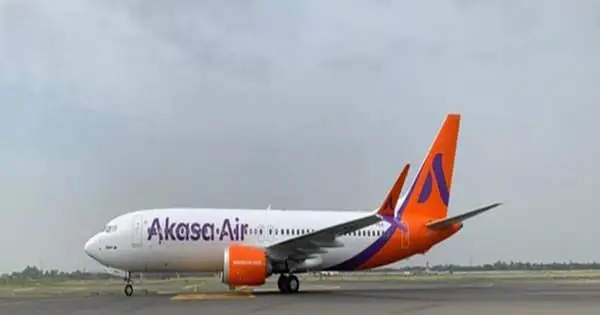
Akasa Air has launched the Akasa SkyCadet programme in partnership with two approved flight schools to meet India's rising demand for 35,000 pilots.
Key Takeaways
- •Akasa Air launched the SkyCadet programme to train future commercial pilots.
- •India will require 35,000 new commercial pilots by 2035 to support fleet growth.
- •The programme partners with Skynex Aero and Dunes Aviation Academy for training.
- •Phase three of the training includes a Boeing 737 MAX type rating.
Akasa Air Launches Pilot Pipeline
Akasa Air, India’s fastest-growing airline, has officially launched the Akasa SkyCadet programme, a structured training initiative designed to develop a sustainable pipeline of commercial pilots. As the Indian aviation sector experiences rapid expansion, the Akasa SkyCadet programme aims to provide comprehensive commercial pilot training India standards, aligning with the Directorate General of Civil Aviation (DGCA) regulations to support the airline’s long-term operational needs.
This initiative comes as Indian carriers grapple with the challenges of a massive fleet expansion, with approximately 1,700 aircraft currently on order. Industry projections indicate that the nation’s commercial fleet will nearly triple by 2035. According to the Boeing Pilot and Technician Outlook, India will require approximately 35,000 commercial pilots by 2035, while the broader South Asian region will need 45,000 new pilots over the next two decades to sustain growth.
Integrating Training Standards
The programme is developed in collaboration with two DGCA approved FTO (Flight Training Organisation) partners: Skynex Aero and Dunes Aviation Academy. By integrating these partners, Akasa Air intends to create a seamless pathway for aspiring aviators. The training curriculum is divided into three distinct phases, beginning with a rigorous Ground School covering air regulations, navigation, and meteorology, followed by CPL flight training (Commercial Pilot License) focused on operational proficiency in accordance with International Civil Aviation Organization (ICAO) standards. The final phase involves advanced simulator and aircraft systems training, specifically focusing on the Boeing 737 MAX type rating, which prepares cadets for direct entry into the airline's commercial jet operations.
Industry Context and Workforce Expansion
Belson Coutinho, Co-Founder and Chief Operating Officer of Akasa Air, stated that building a future-ready workforce is critical to supporting the industry's sustained growth. "The Akasa SkyCadet Programme reflects our commitment to investing in talent from the grassroots level," Coutinho noted. Beyond technical skills, the airline emphasizes a culture of safety, discipline, and service orientation. This move mirrors broader aviation workforce expansion trends in India, where carriers like Air India and IndiGo have increasingly turned to vertical integration of training infrastructure to secure crew supply.
Historically, the 2011 launch of the IndiGo Cadet Pilot Programme serves as a successful precedent, having provided the steady flow of pilots necessary for that airline's rise to market leadership. Similarly, Air India's recent establishment of a dedicated training academy in 2024 highlights the industry shift toward airline-owned or airline-aligned training models to mitigate the risk of pilot shortages.
Technical Training Requirements
| Metric | Boeing 737 MAX 8 | Airbus A320neo |
|---|---|---|
| Max Passenger Capacity | 189 | 194 |
| Range | 3,500 nm | 3,400 nm |
| Length | 39.12 m | 37.57 m |
What Comes Next for Cadets
The programme is expected to see the first batch of cadets commence their flight training phase by Q1 2027, subject to DGCA oversight. As Akasa Air continues to scale, it will maintain its dual-track hiring strategy: utilizing the SkyCadet pipeline for new entrants while continuing to recruit experienced CPL holders and type-rated pilots to meet immediate operational requirements. The airline's fleet expansion is expected to continue through 2032 as the carrier takes delivery of its remaining Boeing 737 MAX aircraft.
Why This Matters for the Industry
For the Indian aviation market, the success of such cadet programmes is essential to maintaining safety margins amidst rapid growth. While these programmes provide a reliable supply of flight crew, aviation labor advocates have noted that the high upfront costs associated with such training can pose a barrier to entry. Furthermore, safety analysts emphasize that the rapid transition of cadets into commercial cockpits necessitates rigorous regulatory oversight to ensure that operational experience levels keep pace with fleet expansion. For Boeing Training & Flight Services, the initiative represents a significant increase in demand for 737 MAX simulator capacity within the South Asian region.
Frequently Asked Questions
- What is the Akasa SkyCadet programme?
- The Akasa SkyCadet programme is a pilot training initiative launched by Akasa Air in partnership with Skynex Aero and Dunes Aviation Academy. It provides a structured three-phase pathway for aspiring pilots, covering ground school, CPL flight training, and Boeing 737 MAX type rating.
- Why is there an increased demand for pilots in India?
- India's commercial fleet is projected to nearly triple by 2035, with Indian carriers currently having orders for approximately 1,700 aircraft. This rapid expansion is driving a significant need for skilled aviation professionals, with estimates suggesting India will require 35,000 commercial pilots by 2035.
Stay ahead of the airline industry with commercial aviation news from omniflights.com. For reporting on UAP sightings, investigations, and aviation-related encounters, see the UAPs section at omniflights.com/uaps.
Written by Hardik Vishwakarma
Co-Founder & Aviation News Editor leading initiatives that improve trust and visibility across the global aviation industry. Covers airlines, airports, safety, and emerging technology.
Visit ProfileYou Might Also Like
Discover more aviation news based on similar topics
Red Sea Airlines Leases Two 737 MAX 8s for 2027 Expansion
Red Sea Airlines signed a lease for two Boeing 737 MAX 8 aircraft from SMBC Aviation Capital, arriving in 2027 to support its 14-aircraft fleet goal.
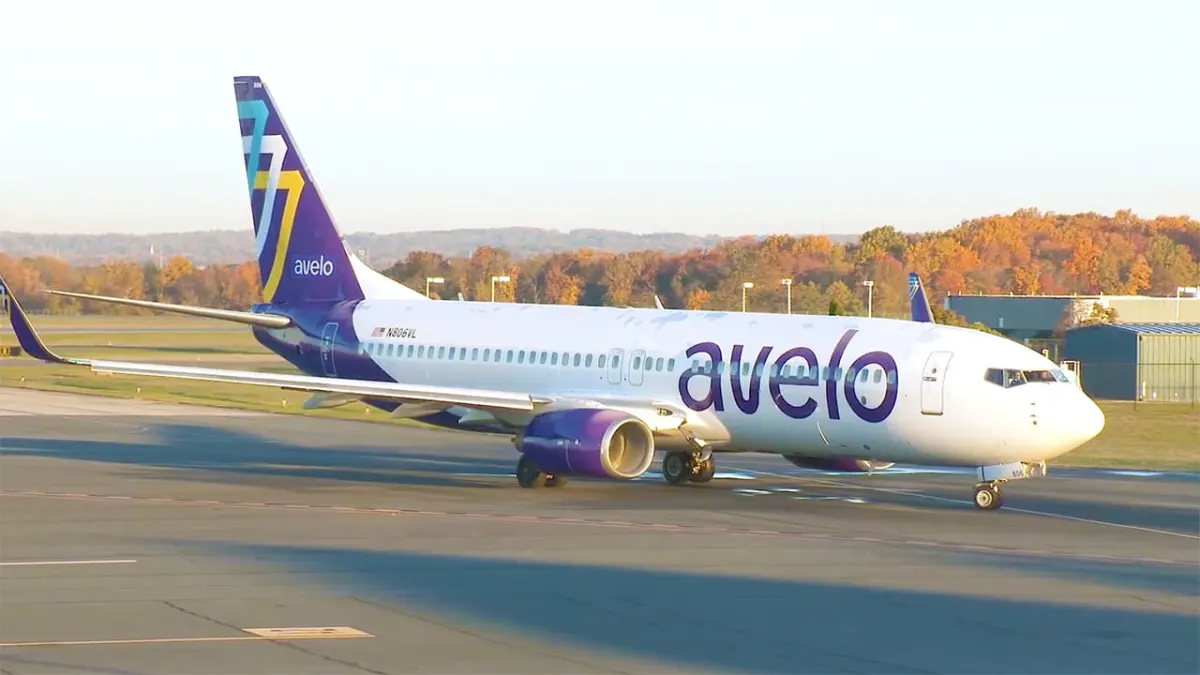
Avelo CEO Warns Airfares May Rise on Jet Fuel Price Spikes
Avelo Airlines CEO Andrew Levy warns that rising fuel costs may force fare increases as global jet fuel prices reach $171.01 per barrel.
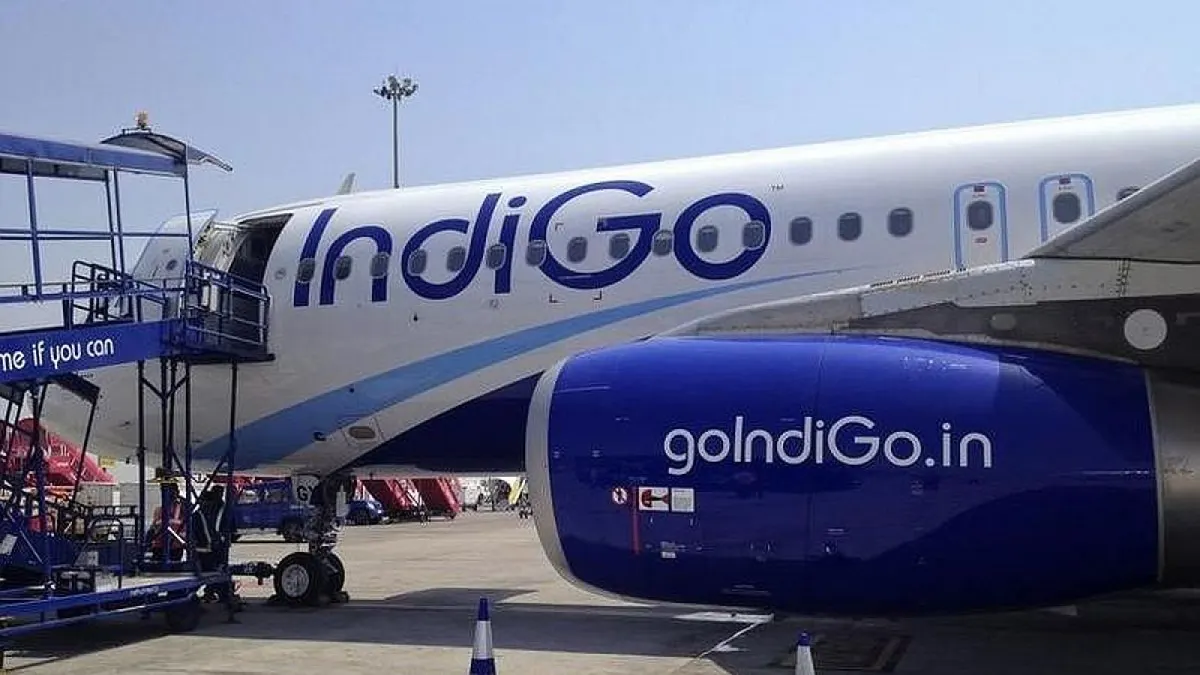
IndiGo, Air India Battle for Mumbai-Delhi Route Dominance
IndiGo and the Air India group are competing for dominance on the Mumbai-Delhi air route, which saw 13.9 percent capacity growth this September.
Delta Air Lines Trims 5 Routes, Cuts Las Vegas Capacity
Delta Air Lines will end five domestic routes from New York and Las Vegas this winter as part of a seasonal network capacity adjustment.

FLY91 Orders 40 ATR 72-600s for Regional Fleet Expansion
Indian startup FLY91 has placed a firm order for 40 ATR 72-600 aircraft, valued at $1 billion, to scale its regional fleet to 60 planes by 2032.

SWISS Takes Delivery of Third Airbus A350-900 Named 'Zug'
Swiss International Air Lines has welcomed its third Airbus A350-900, which will feature the new 'SWISS Senses' cabin on select long-haul routes.