Airlines & OEMs Face Lawsuits Over Toxic Bleed Air Fumes

Co-Founder & CEOAviation News Editor delivering trusted coverage across the global aviation industry.
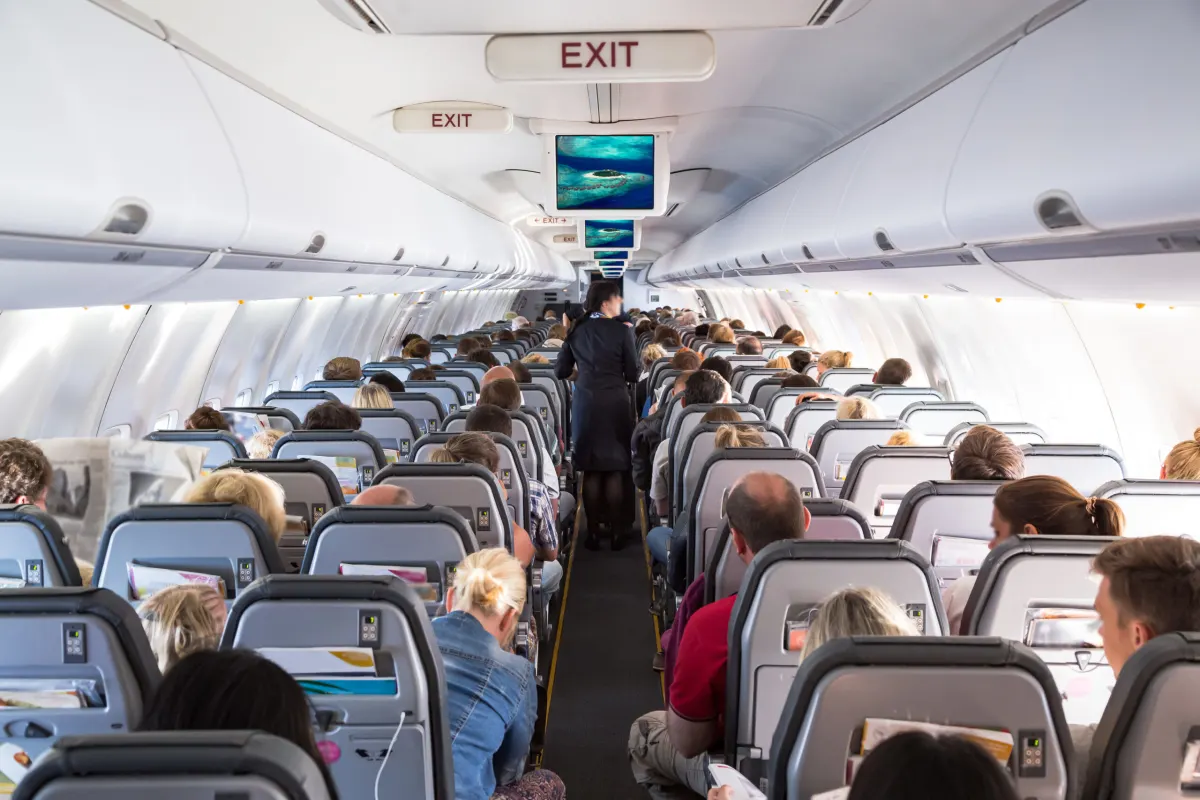
Airlines and manufacturers face a growing wave of lawsuits over toxic cabin air, with Boeing now targeted in a $40 million passenger injury claim.
Key Takeaways
- •Targets Boeing with a $40 million lawsuit from a passenger alleging long-term illness from a toxic fume event.
- •Identifies 'bleed air' contamination from engine oil containing toxic Tricresyl Phosphate (TCP) as the primary cause of fume events.
- •Draws comparisons to asbestos litigation, signaling potential for decades of long-tail insurance liability for airlines and manufacturers.
- •Confirms airlines face penalties for mishandling employee claims, as seen in a JetBlue workers' compensation case.
A growing wave of litigation targeting airlines and manufacturers over toxic fumes on flights is creating significant new liability risks for the aviation industry. A recent lawsuit filed against Boeing for $40 million by a passenger who allegedly developed a long-term illness highlights a strategic shift from employee-centric workers' compensation claims to high-value passenger personal injury cases, raising concerns about aircraft bleed air contamination and its potential health effects.
The central issue revolves around the design of most commercial aircraft, where cabin air is supplied by the Environmental Control System (ECS). According to a report from the Federal Aviation Administration's (FAA) Civil Aerospace Medical Institute, about 50% of the air passengers breathe is 'bleed air'—compressed air pulled directly from the engines. If engine seals fail, this air can become contaminated with heated jet engine oil and hydraulic fluids, which contain toxic organophosphates like Tricresyl Phosphate (TCP), a known neurotoxin. These incidents, known as fume events, are now at the center of aerotoxic syndrome lawsuits that present a complex challenge for the industry.
Escalating Legal and Regulatory Scrutiny
The legal landscape is rapidly evolving. In one prominent case, Temple University professor Jonathan Harris filed a $40 million lawsuit against Boeing, alleging he suffered permanent neurological damage from toxic fumes during a Delta Air Lines flight in 2024. This follows a trend previously confined to flight crew and maintenance staff. In a separate but related action, an administrative law judge ordered JetBlue to pay attorney fees and a 25% penalty for unreasonably denying a workers' compensation claim for a pilot who suffered brain damage from toxic fumes, with the judge noting the airline appeared more concerned with keeping planes in service than worker safety.
Regulatory bodies have been examining the issue for over a decade. The FAA Modernization and Reform Act of 2012 directed the agency to assess bleed air quality, leading to a 2015 report that estimated fume events occur at a rate of 2.7 to 33 events per million departures. More recently, the FAA Reauthorization Act of 2018 mandated further studies into health effects and the development of sensor technology to detect and warn of contamination. Despite these efforts, standardized sensor equipment is not yet required on commercial aircraft, and cabin High Efficiency Particulate Air (HEPA) filters are ineffective against gaseous contaminants like TCP.
Industry Impact and Long-Tail Risks
The financial and operational impacts extend across the aviation ecosystem. Aircraft manufacturers like Boeing and Airbus are directly targeted in lawsuits over the fundamental design of their bleed air systems. Aviation insurance providers face the prospect of long-tail liability, with legal experts drawing parallels to asbestos litigation.
Noel Paul, an insurance recovery partner at Honigman, noted the potential for a "cascading effect" of litigation as public awareness grows. "A lawsuit brought by individuals alleging they suffered injuries from a fume event could potentially trigger years if not decades of insurance coverage," he stated, highlighting the long latency period for neurological symptoms to manifest. This risk also affects airline shareholders, with firms like Lowey Dannenberg launching investigations into whether JetBlue's board of directors breached its fiduciary duties by allegedly concealing systemic fume event risks.
Boeing 787 vs. Traditional Commercial Jets
The design of the Boeing 787 Dreamliner offers a technical alternative to the bleed air architecture common in aircraft like the 737 and A320 families. The 787 uses dedicated electric compressors to pull fresh air directly from outside, eliminating the pathway for engine oil contamination.
| Metric | Boeing 787 | Traditional Jets (737/A320) |
|---|---|---|
| Cabin Air Source | Dedicated electric air compressors | Bleed air pulled from engine compressors |
| Fume Event Risk (Engine Oil) | Zero | Susceptible to contaminated air if engine seals fail |
Technical Analysis
The shift from occupational health claims to major passenger and shareholder lawsuits represents a structural change in how the industry must manage the risk of bleed air contamination. This development elevates the issue from a maintenance and operational concern to a fundamental question of design liability and corporate governance. The legal strategy increasingly mirrors that of asbestos litigation, focusing on long-term health consequences and the alleged concealment of known risks. This trajectory suggests that without a technical or regulatory solution, liability costs for manufacturers and insurers could grow exponentially. The existence of a 'bleed-free' architecture in the Boeing 787 provides a clear, albeit expensive, engineering alternative, which may become a focal point in future litigation and regulatory discussions about the standard of care for cabin air quality.
What Comes Next
The legal proceedings are expected to advance throughout 2026. The U.S. District Court is expected to hold hearings for the Jonathan Harris vs. Boeing lawsuit sometime in 2026. Concurrently, the fiduciary duty investigation into JetBlue's leadership by Lowey Dannenberg is anticipated to conclude in late 2026, potentially leading to further shareholder derivative lawsuits.
Why This Matters
This emerging wave of litigation challenges a decades-old aircraft design principle and threatens to impose massive, long-tail liabilities on airlines, manufacturers, and their insurers. If courts validate the claims of aerotoxic syndrome on a large scale, it could force a costly, industry-wide transition to bleed-free air systems and fundamentally alter the risk profile of commercial aviation.
From airline operations to fleet updates, commercial aviation news lives at omniflights.com. From aircraft production to supply chains, commercial aviation manufacturing news is covered at omniflights.com/manufacturing.
Written by Hardik Vishwakarma
Co-Founder & Aviation News Editor leading initiatives that improve trust and visibility across the global aviation industry. Covers airlines, airports, safety, and emerging technology.
Visit ProfileYou Might Also Like
Discover more aviation news based on similar topics

Families Demand DCA Midair Collision Safety Reforms
Families of 67 victims from the 2025 DCA midair collision are pressing Congress for mandatory ADS-B In technology to prevent future aviation tragedies.
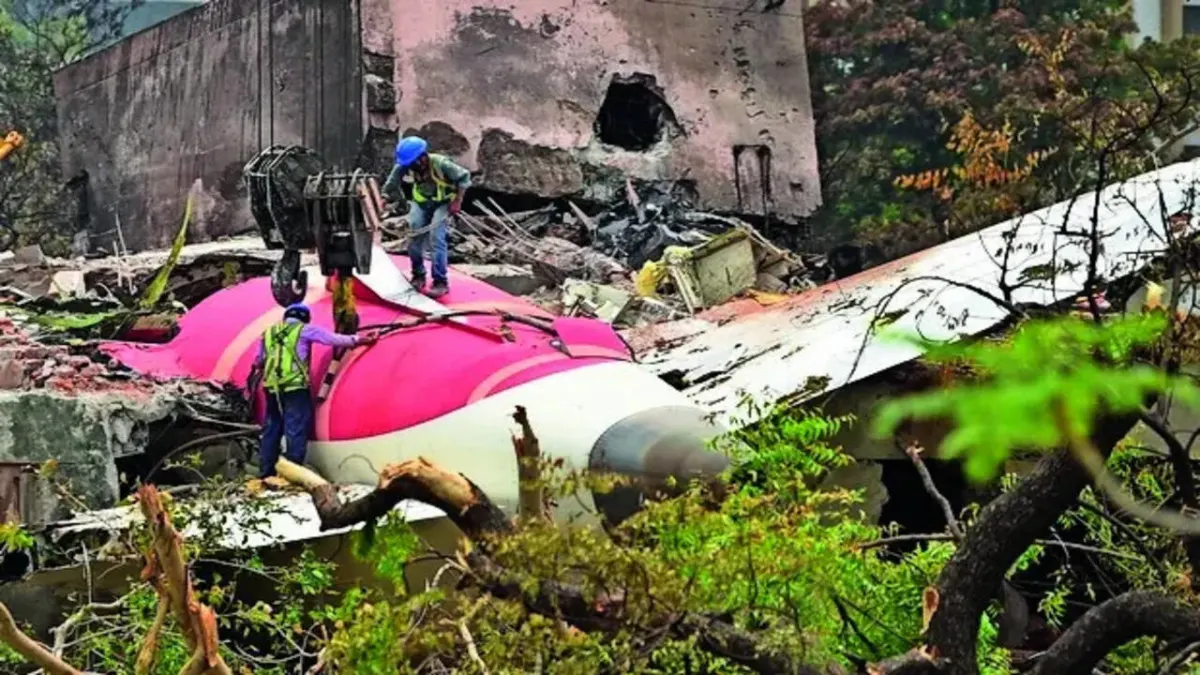
FAS Challenges AAIB Over Boeing 787 Safety Data
The Foundation for Aviation Safety is urging the AAIB to issue safety warnings for the Boeing 787 fleet following the fatal Air India 171 crash.
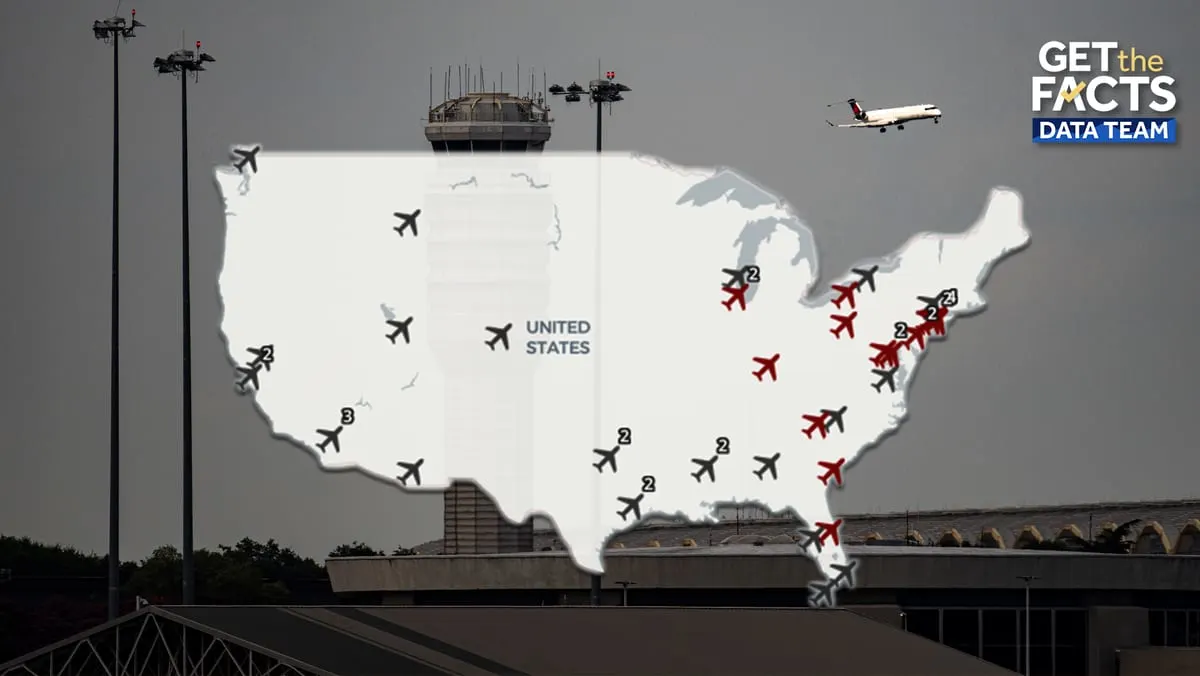
NTSB Safety Recommendations Lag Amid 6 Monthly Near-Misses
Approximately 6 near-miss incidents occur monthly at U.S. airports as 270 NTSB safety recommendations remain unaddressed by federal regulators.
NTSB Rejects FAA Safety Responses After 67-Fatality Crash
The NTSB labeled 11 FAA responses to 2025 DCA mid-air collision recommendations as unacceptable, citing the lack of a mandatory ADS-B In requirement.
EASA Orders Urgent Airbus A380 Wing Spar Inspections
The EASA ordered urgent inspections on 16 Airbus A380s after discovering wing spar cracks that could compromise structural integrity.
Ryanair Flight RK514 Diverts to Birmingham After Emergency
Ryanair flight RK514 diverted to Birmingham Airport on September 13, 2026, following a medical emergency involving a passenger.