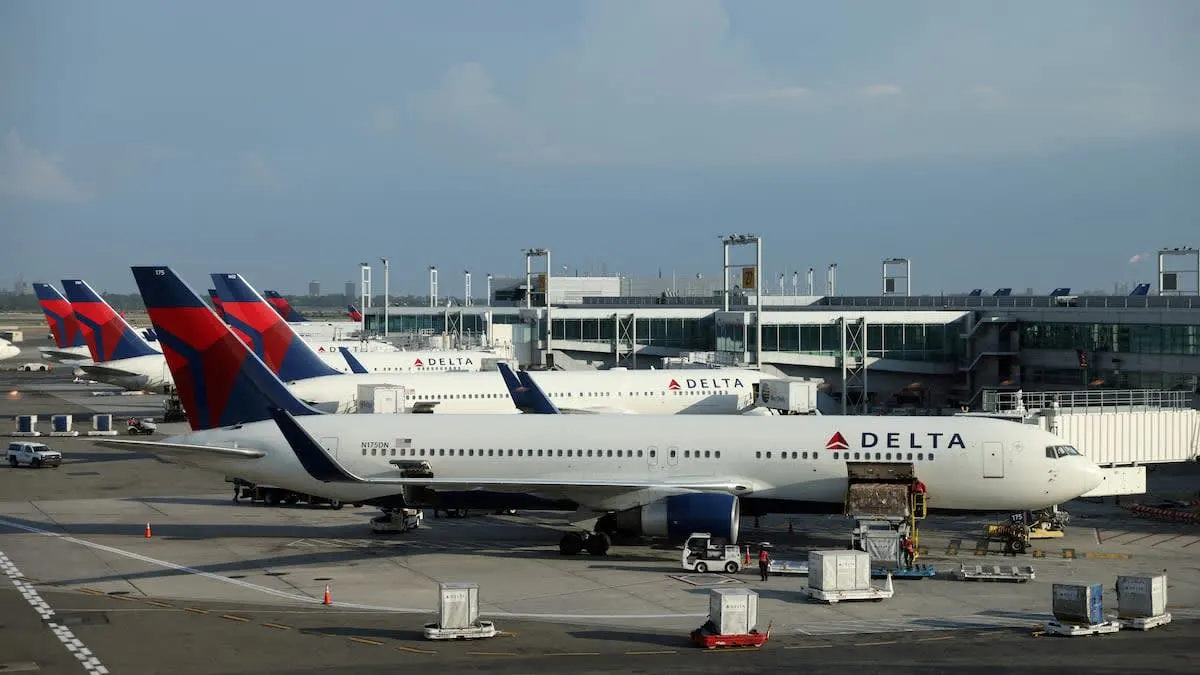
Airline CEOs Address Flydubai Cockpit Attack Security

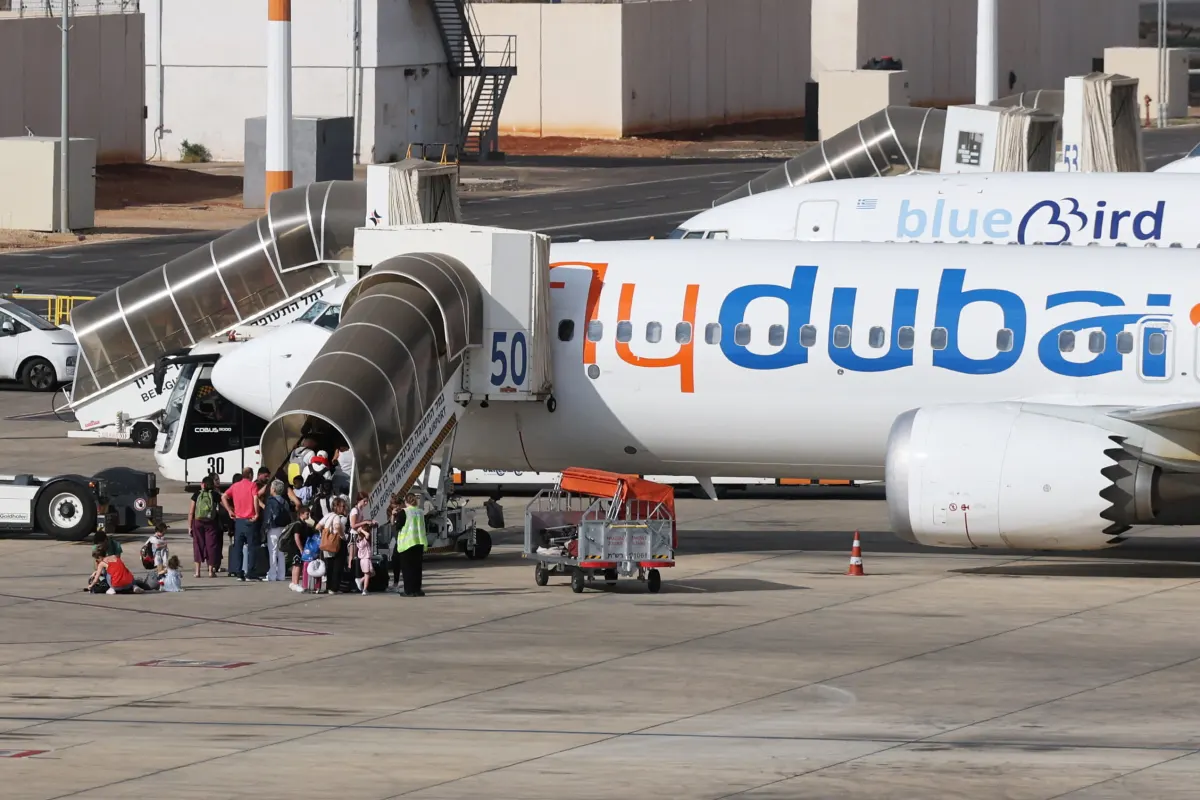
Airline executives stated that preventing rogue pilot actions remains difficult despite robust safety protocols following the recent flydubai attack.
Key Takeaways
- •Flydubai co-pilot attacked captain in flight, causing 16,000-foot drop.
- •A4E executives emphasize difficulty in preventing rogue pilot incidents.
- •Lufthansa CEO cites 2015 Germanwings crash as a comparable precedent.
- •Investigations by UAE and Saudi authorities are expected through 2028.
Airline Executives Respond to Flydubai Incident
Airline leadership acknowledged the significant challenge of mitigating insider threats following a flydubai cockpit attack that occurred on September 30, 2026. The incident, involving a co-pilot who allegedly assaulted the captain with a crash axe, resulted in a rapid 16,000-foot altitude loss over approximately 30 seconds. The aircraft was eventually stabilized after passengers intervened and a standby crew member took control of the flight deck. This event has prompted immediate industry discourse regarding the limitations of current rogue pilot aviation safety measures.
Speaking at an Airlines for Europe (A4E) press conference in Brussels on October 8, 2026, Ryanair Group Chief Executive Michael O’Leary noted the inherent difficulty in legislating against unpredictable individual actions. "If you have somebody who is a mad person in a cockpit, it’s very difficult to legislate for it," O’Leary stated. The comments reflect a broader industry struggle to balance operational security with the realities of human behavior in high-stakes environments.
Historical Context and Industry Standards
Lufthansa Chief Executive Carsten Spohr emphasized that while aviation safety standards remain high, the industry must accept that absolute security is unattainable. Spohr drew a direct comparison to the Germanwings crash 2015, where a co-pilot intentionally flew an Airbus A320 into the French Alps, resulting in 150 fatalities. That incident served as a catalyst for global regulators to implement more stringent pilot mental health screening and aeromedical assessment protocols.
Despite these advancements, the recent flydubai event underscores the persistent vulnerability of the cockpit environment to internal threats. Aviation security regulators, including the EASA (European Union Aviation Safety Agency) and the GCAA (General Civil Aviation Authority), are now under increased pressure to evaluate the efficacy of existing vetting processes. For Flydubai, the incident has triggered intense scrutiny regarding its internal hiring and background check procedures, which are currently the subject of a criminal investigation led by the UAE (United Arab Emirates).
The Complexity of Insider Threats
Data from the Germanwings crash 2015 demonstrates the long-term impact of such events on global aviation security protocols. Historically, the LAM Mozambique Airlines Flight 470 incident in 2013, where a captain intentionally downed an aircraft, further highlighted the danger of a pilot exploiting cockpit isolation. These precedents indicate that while psychological monitoring has improved, the capacity for an individual to bypass established safeguards remains a complex vulnerability.
Industry experts suggest that the current focus on aeromedical assessments may need to expand toward more continuous monitoring of pilot behavior and social indicators. The difficulty lies in identifying potential risks without infringing upon individual privacy or creating an environment that discourages pilots from reporting personal struggles. The current trajectory suggests a shift toward more integrated, long-term psychological vetting rather than point-in-time examinations.
Ongoing Investigations and Future Reporting
Official inquiries are currently underway to determine the precise sequence of events and the motivations behind the attack. The Saudi Arabia Aviation Investigation Bureau has opened an air accident investigation, with a final report expected between 2027 and 2028. Simultaneously, the UAE Public Prosecution is conducting a criminal probe into the co-pilot’s actions. Findings from these investigations will likely dictate the next phase of regulatory adjustments regarding cockpit access and crew vetting. Stakeholders, particularly airline pilots and pilot unions, expect that these findings will lead to heightened scrutiny of current psychological evaluation standards. The industry remains in a period of assessment as regulators weigh the necessity of further security mandates against existing operational requirements.
Frequently Asked Questions
- What happened during the flydubai cockpit attack on September 30, 2026?
- A co-pilot allegedly attacked the captain with a crash axe, causing the aircraft to plunge 16,000 feet in approximately 30 seconds. The flight was stabilized after passengers and a standby crew member intervened.
- Why is the 2015 Germanwings crash relevant to the recent flydubai incident?
- Lufthansa CEO Carsten Spohr cited the 2015 Germanwings crash as the last comparable incident where a rogue pilot intentionally attempted to down an aircraft. Both events highlight the ongoing challenge of mitigating insider threats and the limitations of current pilot mental health screening protocols.
For in-depth airline coverage and commercial aviation news, omniflights.com delivers timely industry insights. For detailed airline coverage, route changes, and fleet moves, explore the Airlines section at omniflights.com/airlines.

Written by Shashank Shukla
Co-Founder & CTO leading the engineering and AI systems behind Omni Flights. Covers aviation technology, flight safety, aircraft manufacturing, and emerging aerospace developments.
Visit ProfileYou Might Also Like
Saudia A320 Destroyed in Riyadh Airport Missile Strike
Saudi Arabia Opens Probe Into Flydubai Cockpit Attack
Flydubai FZ1073: Resilience Lessons After Cockpit Attack
EasyJet Flight Diverts to Amsterdam for Medical Emergency

EASA AD 2026-0117R1 Mandates Trent 1000 Inspection Limits