Airbus Orders A330neo HTP Inspection After Tool Discovery

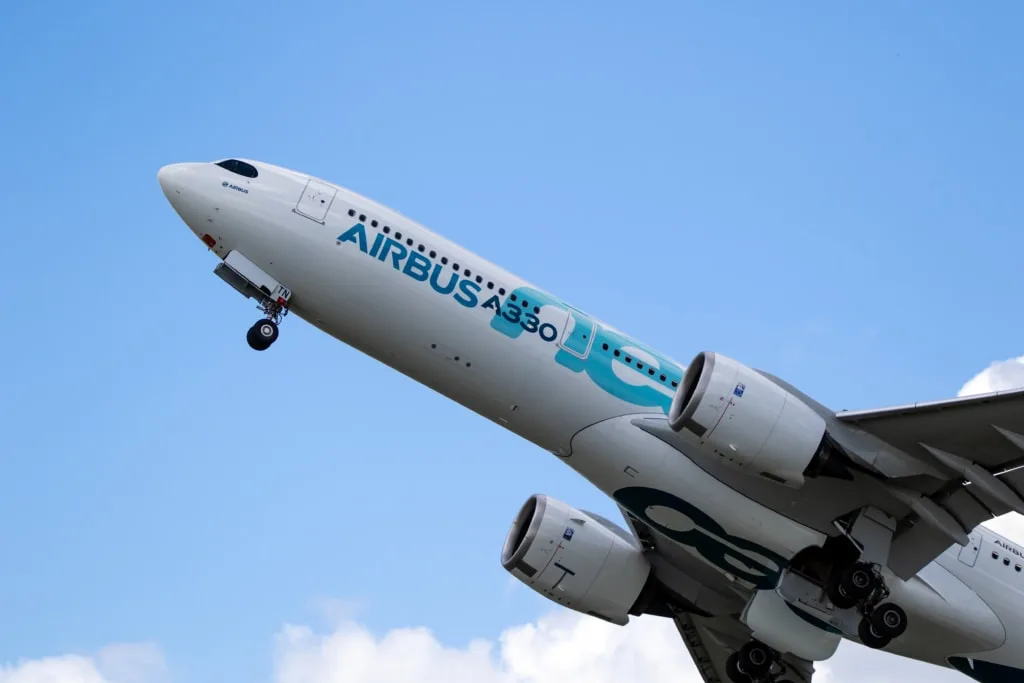
Airbus is mandating inspections for 160 A330neo aircraft to check for stray tools left inside horizontal tailplanes during production.
Key Takeaways
- •Airbus mandates HTP inspections for 160 A330neo aircraft.
- •Discovery of stray tool halted A330 deliveries in June-July 2026.
- •EASA expected to formalize inspection mandate by mid-November 2026.
- •Affected aircraft were delivered between January 2021 and July 2026.
Airbus Initiates Fleet-Wide HTP Inspections
Airbus has issued a proactive advisory for operators of approximately 160 A330neo family aircraft to conduct structural inspections of their Horizontal Tail Plane (HTP). This directive follows the identification of a stray tool left inside an aircraft structure during the manufacturing process. The inspection program targets airframes delivered between January 2021 and July 2026, as the manufacturer seeks to ensure no further Foreign Object Debris (FOD) remains within the empennage of these long-haul jets.
Operational Impact and Production Halt
The discovery of the stray tool triggered an immediate production-line review, resulting in a complete cessation of A330 deliveries during June and July 2026. This disruption highlights the severe operational consequences of manufacturing quality control lapses. For Airbus Commercial Aircraft, the halt represented a significant bottleneck in their delivery schedule, forcing a recalibration of handover timelines for the affected A330neo fleet, which includes 15 military-variant airframes.
"After having spotted an isolated finding in an aircraft in production, we are committed to discounting similar findings in aircraft currently in service," an Airbus spokesperson stated, emphasizing the company's commitment to fleet integrity and safety standards.
Regulatory Oversight and Compliance
The European Union Aviation Safety Agency (EASA) is currently coordinating with the manufacturer to formalize the inspection requirements. While the advisory is currently in the notification phase, regulators are working to define the specific inspection intervals and the final list of affected airframes. This process is expected to culminate in a mandatory Airworthiness Directive by mid-November 2026. Operators are advised to prepare for potential maintenance downtime as they integrate these structural checks into their existing service schedules.
Historical Precedents in Manufacturing Quality
The aviation industry has faced similar challenges regarding FOD in recent years, which have necessitated widespread inspection mandates. In 2019, the United States Air Force repeatedly halted deliveries of the Boeing KC-46 Pegasus tanker after discovering tools and debris left inside airframes during assembly. Similarly, in February 2020, Boeing ordered inspections of all undelivered 737 MAX jets after workers discovered rags and tools within the fuel tanks of several aircraft. These precedents underscore the industry-wide focus on strengthening quality control protocols to prevent loose items from compromising aircraft structural integrity.
Technical Analysis: Managing FOD in Complex Structures
The current A330neo inspection requirement reflects a broader trend of heightened scrutiny regarding manufacturing quality control. As aircraft structures become increasingly complex, the risk of FOD—defined as any loose item left inside an assembly—remains a critical safety concern. The incident suggests that even established production lines are susceptible to human error, necessitating rigorous, multi-stage verification processes. By mandating inspections for aircraft already in service, Airbus is taking a conservative approach to risk mitigation. This strategy aligns with modern aviation safety trends, where manufacturers increasingly favor proactive fleet-wide checks over reactive, incident-based responses. The trajectory of this event suggests that EASA and other global regulators will likely continue to demand more transparent manufacturing audit trails, potentially leading to longer production lead times as quality assurance protocols are further codified into the assembly cycle.
Expected Certification and Timeline
Following the initial advisory, stakeholders are tracking the finalization of the formal inspection mandate. The European Union Aviation Safety Agency is expected to issue a definitive Airworthiness Directive by mid-November 2026. This document will establish the final compliance deadlines for all 160 affected operators. Until the directive is published, airlines are encouraged to coordinate directly with Airbus support teams to schedule the necessary HTP inspections during upcoming maintenance windows.
Why This Matters for A330neo Operators
For airlines operating the A330neo, this inspection mandate introduces an unplanned maintenance requirement that could impact fleet availability. While the checks are preventative, the potential for discovering debris requires operators to manage their maintenance capacity effectively to avoid extended aircraft-on-ground cycles. This situation serves as a reminder of the critical importance of supply chain and assembly quality oversight in maintaining the long-term airworthiness and operational reliability of wide-body fleets.
Frequently Asked Questions
- How many A330neo aircraft are affected by the inspection advisory?
- Approximately 160 A330neo family aircraft, including 15 military variants delivered between January 2021 and July 2026, are subject to the inspection.
- Why did Airbus pause A330 deliveries in mid-2026?
- Airbus halted all A330 deliveries during June and July 2026 to conduct production-line checks following the discovery of a stray tool inside an aircraft's horizontal tailplane.
For in-depth airline coverage and commercial aviation news, omniflights.com delivers timely industry insights. Discover how innovation is shaping aviation through aircraft systems, avionics, and digital tools at omniflights.com/technology.

Written by Shashank Shukla
Co-Founder & CTO leading the engineering and AI systems behind Omni Flights. Covers aviation technology, flight safety, aircraft manufacturing, and emerging aerospace developments.
Visit ProfileYou Might Also Like

Flydubai FZ1073 Hijacking: Crew Thwarts Mid-Air Attack
Flydubai Pilot Attack Raises Cockpit Insider Threat Concerns

Flydubai FZ1073 Hijack Attempt: Pilot Had Targeted Tel Aviv

Flydubai FZ1073 Hijack Attempt Leads to 16,000-Foot Plunge

FlyDubai Flight FZ1073: Captain Stabbing Under Investigation