Airbus, Kawasaki Sign MoU for ASW Eurodrone Variant

Co-Founder & CEOAviation News Editor delivering trusted coverage across the global aviation industry.
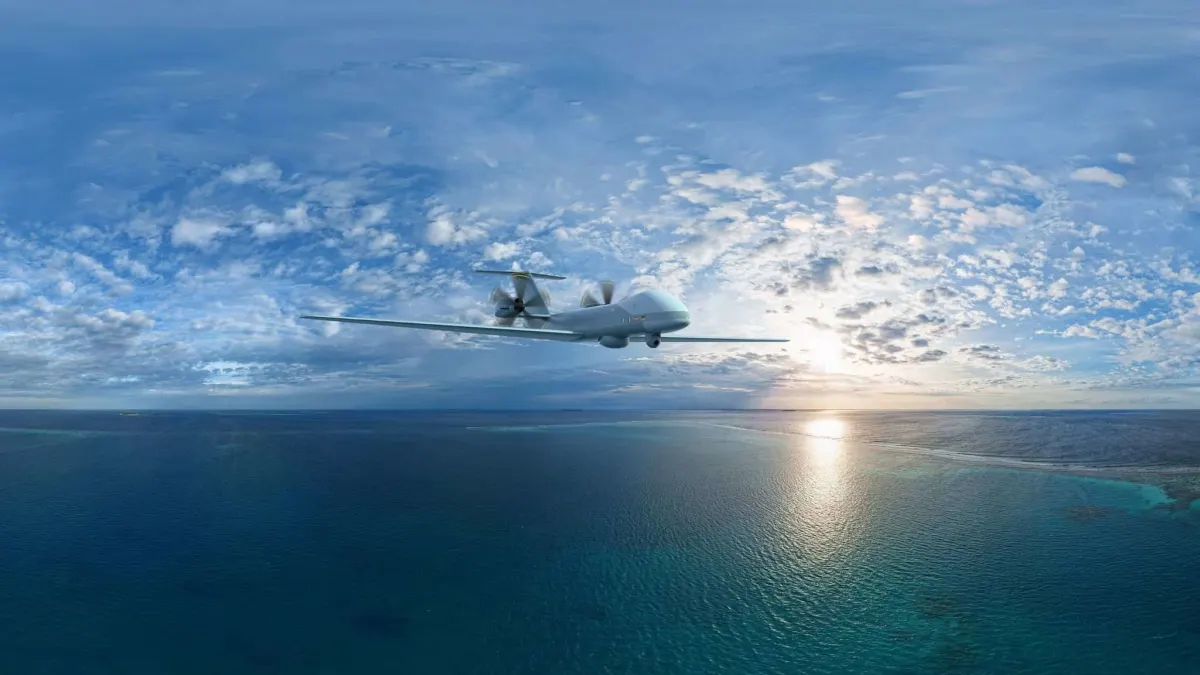
Airbus and Kawasaki Heavy Industries signed a memorandum of understanding to explore a Japanese anti-submarine warfare variant of the Eurodrone.
Key Takeaways
- •Airbus and Kawasaki signed an MoU for an ASW Eurodrone variant.
- •Japan has held observer status in the Eurodrone program since 2023.
- •The Eurodrone platform features a 40-hour endurance and 2.3-tonne payload.
- •Eurodrone's first flight is currently scheduled for 2029.
Strategic Collaboration on ASW Capability
Airbus Defence and Space and Kawasaki Heavy Industries (KHI) have signed a memorandum of understanding to explore the development of a Japanese ASW Eurodrone variant (Airbus signs Memorandum of Understanding to explore Japanese anti-submarine variant of the Eurodrone). This partnership, finalized on June 26, 2026, focuses on integrating Japanese-made sensors into the U950 Eurodrone platform to support sovereign operational requirements (MOU Signed with Airbus D&S on Collaboration in Long-Endurance Unmanned Aerial Systems | Kawasaki Heavy Industries, Ltd.). Japan has maintained observer status in the Eurodrone program since 2023, signaling a deepening of defense industrial ties between Tokyo and European aerospace primes.
Operational Impact and Defense Procurement
The Eurodrone is a Medium-Altitude Long-Endurance (MALE) Remotely Piloted Aircraft System (RPAS) currently under development by a four-nation European consortium consisting of Germany, France, Italy, and Spain. By exploring an anti-submarine warfare (ASW) configuration, the collaboration aims to supplement crewed maritime patrol fleets, such as the Kawasaki P-1, with persistent, autonomous surveillance capabilities. The platform is designed for missions lasting up to 40 hours and possesses a mission payload capacity of up to 2.3 tonnes. For the Japan Maritime Self-Defense Force (JMSDF), this integration could fundamentally shift maritime patrol doctrine by providing a high-endurance, uncrewed sub-hunting capability.
Technical Analysis: The MALE ASW Shift
The move toward using MALE UAVs for ASW missions follows successful industry precedents, notably the General Atomics MQ-9B SeaGuardian testing conducted between 2020 and 2021. Those tests demonstrated the viability of deploying sonobuoys and relaying acoustic data for submarine tracking from a remotely piloted platform. The Eurodrone’s twin-turboprop configuration offers distinct performance characteristics compared to single-engine alternatives, though some defense analysts have noted that this design may lead to higher procurement costs. Airbus reports that the insights gained from the Japanese variant development will provide logistical and operational advantages for future European naval versions of the Eurodrone.
Eurodrone vs MQ-9B SeaGuardian: Key Specifications
| Metric | Eurodrone (U950) | MQ-9B SeaGuardian |
|---|---|---|
| Endurance | Up to 40 hours | ~40 hours |
| Payload Capacity | 2,300 kg | 2,155 kg |
| Engine Configuration | Twin-turboprop | Single-turboprop |
Certification and First Flight Timeline
The development of the Eurodrone platform is managed by the Organisation for Joint Armament Co-operation (OCCAR). While the current MoU focuses on the Japanese ASW variant, the core Eurodrone program is moving toward a major milestone, with the first flight officially scheduled for 2029. Future efforts will likely focus on aligning Japanese sensor integration with the established European certification standards for the MALE platform.
Why This Matters for Defense Sovereignty
The MoU explicitly addresses the need for Japan to operate the Eurodrone sovereignly and without external restrictions. This focus on defense equipment sovereign operation, as mandated by the Japanese Ministry of Defense, requires the localized integration of Japanese sensors and effectors. For Airbus, the collaboration opens a significant export market in the Indo-Pacific, while for Kawasaki, it secures a role as the prime domestic integrator for next-generation uncrewed maritime systems.
Frequently Asked Questions
- What is the primary goal of the Airbus and Kawasaki Eurodrone partnership?
- The partnership aims to explore the development of a Japanese anti-submarine warfare variant of the Eurodrone by integrating Japanese sensors into the platform to ensure sovereign operational capability.
- When is the first flight of the Eurodrone expected?
- The first flight of the Eurodrone is officially scheduled for 2029.
- What are the key performance specs of the Eurodrone?
- The Eurodrone is designed for missions lasting up to 40 hours and features a mission payload capacity of up to 2.3 tonnes.
Stay ahead of the airline industry with commercial aviation news from omniflights.com. For detailed airline coverage, route changes, and fleet moves, explore the Airlines section at omniflights.com/airlines.
Written by Hardik Vishwakarma
Co-Founder & Aviation News Editor leading initiatives that improve trust and visibility across the global aviation industry. Covers airlines, airports, safety, and emerging technology.
Visit ProfileYou Might Also Like
Discover more aviation news based on similar topics

Boeing 777X Testing Spills Into 2027 Amid Certification Hurdles
Boeing expects some 777X testing to extend into 2027, though the manufacturer maintains its target for the first delivery of the aircraft that year.

Airbus A350F Completes Ground Tests Before Maiden Flight
Airbus has finished initial ground tests for the A350F, with the freighter set for a late 2026 maiden flight and a 2027 entry into service.
Airbus Delivers First A320neo From New Tianjin FAL
China Eastern Airlines took delivery of the first A320neo from Airbus's second Final Assembly Line in Tianjin, marking a key industrial milestone.
Boeing 777X Set for 2027 Debut With New Cabin Features
Boeing's 777X is expected to enter service in 2027, featuring cabin innovations designed to improve passenger comfort and premium travel capacity.
Boeing Awarded $562M Contract for MQ-25 Stingray Production
The U.S. Navy awarded Boeing a $562 million contract for the first three MQ-25 Stingray unmanned aerial refueling tankers, with deliveries expected in...

Boeing Logs 15 Gross Orders Including 13 787 Dreamliners
Boeing recorded 15 gross orders in August 2026, featuring 13 widebody 787 Dreamliner commitments from undisclosed customers.