Airbus Debuts U145 Autonomous Helicopter at ILA Berlin

Co-Founder & CEOAviation News Editor delivering trusted coverage across the global aviation industry.
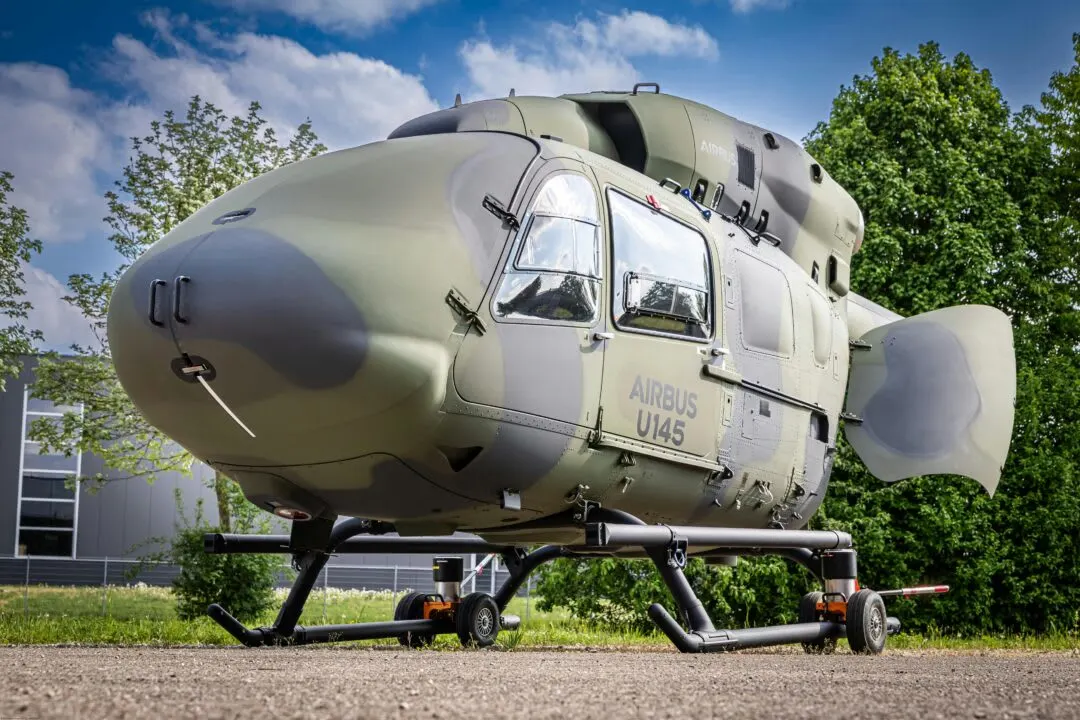
Airbus unveiled its U145 autonomous helicopter at the ILA Berlin 2026 airshow, targeting heavy-lift logistics with a maiden flight scheduled for late 2026.
Key Takeaways
- •Airbus unveiled the U145 autonomous helicopter at ILA Berlin 2026.
- •The U145 features a 3,800 kg MTOW for heavy-lift logistics missions.
- •Maiden flight with a safety pilot is scheduled for late 2026.
- •Commercial and military service entry is targeted for the early 2030s.
Airbus Expands Autonomous Portfolio
At the ILA Berlin 2026 airshow, Airbus unveiled its latest Uncrewed Aerial Systems (UAS) portfolio, headlined by the newly introduced Airbus U145 autonomous helicopter. This heavy-lift platform represents a strategic shift in the manufacturer’s approach to autonomous logistics, disaster management, and multi-domain military operations. With a Maximum Take-Off Weight (MTOW) of 3,800 kg, the U145 is designed to serve as a versatile, cockpit-less rotorcraft capable of operating in complex environments.
The U145 Platform and Design
The U145 is derived from the proven H145 family, a platform with over 1,800 helicopters currently in service worldwide. According to Airbus Helicopters official data, the H145 fleet has accumulated more than 8.5 million flight hours, providing a reliable aerodynamic foundation for the new uncrewed variant. By removing the physical cockpit and integrating a specialized nose door, the U145 maximizes internal volume for cargo while leveraging the existing airframe's performance characteristics.
Matthieu Louvot, CEO of Airbus Helicopters, noted that the U145 offers customers an autonomous version of the H145 that combines proven payload capabilities with advanced UAS autonomy. The development reflects a broader industry trend of converting proven airframes to reduce development costs and accelerate time-to-market. Airbus's official UAS portal provides further details on how these platforms integrate into broader military and civil architectures.
Technical Specifications: U145 vs. H145
| Metric | U145 (Uncrewed) | H145 (Crewed) |
|---|---|---|
| Cockpit | Removed (Nose Cargo Door) | Physical Dual-Pilot |
| MTOW | 3,800 kg | 3,800 kg |
| Primary Role | Autonomous Logistics | Passenger/EMS/Military |
Regulatory and Operational Context
Integrating multi-ton autonomous rotorcraft into shared civil airspace remains a primary hurdle. According to EASA (European Union Aviation Safety Agency), the current civil drone framework requires rigorous certification pathways for heavy autonomous rotorcraft. To comply with these safety regulations, the U145’s initial flight test phase will necessitate a safety pilot onboard. This approach mirrors the development of the Airbus VSR700, which successfully transitioned from a crewed Guimbal Cabri G2 into an autonomous naval drone starting in 2019.
While the platform offers significant potential for European Defence Forces, alternative perspectives from safety regulators suggest that collision-avoidance challenges currently outpace existing regulatory frameworks. Furthermore, the integration of air-launched effects—developed in partnership with firms like MBDA—has prompted ethical discussions from arms control advocates regarding the role of AI in offensive military operations.
Future Milestones and Certification
Airbus has confirmed that the maiden flight of the U145, conducted with a safety pilot, is scheduled for late 2026. This test flight at the ILA Berlin site and related facilities will serve as the first major step toward full autonomy. The manufacturer is targeting an entry into commercial and military service by the early 2030s, contingent upon the finalization of certification pathways for uncrewed rotorcraft operating in shared civil airspace.
Why This Matters for Defence Sovereignty
For European stakeholders, the U145 represents a critical step toward achieving technological sovereignty in the autonomous logistics sector. By developing a heavy-lift platform that can perform Manned-Unmanned Teaming (MUM-T), Airbus provides domestic forces with a sovereign capability that reduces reliance on foreign-manufactured UAS technology. The move positions Airbus as a primary architect of Europe's future multi-domain warfare ecosystem, spanning from cargo delivery to Uncrewed Collaborative Combat Aircraft (UCCA) like the U760 Ravenstorm.
Frequently Asked Questions
- What is the Maximum Take-Off Weight of the Airbus U145?
- The Airbus U145 has a Maximum Take-Off Weight (MTOW) of 3,800 kg, positioning it as a heavy-lift uncrewed platform.
- When is the Airbus U145 expected to enter service?
- Airbus is targeting the early 2030s for the U145's entry into commercial and military service, following a maiden flight scheduled for late 2026.
Get breaking commercial aviation news and expert airline analysis at omniflights.com. Stay informed on aviation incidents, investigations, and best practices in the Safety category at omniflights.com/safety.
Written by Hardik Vishwakarma
Co-Founder & Aviation News Editor leading initiatives that improve trust and visibility across the global aviation industry. Covers airlines, airports, safety, and emerging technology.
Visit ProfileYou Might Also Like
Discover more aviation news based on similar topics

Boeing Logs 15 Gross Orders Including 13 787 Dreamliners
Boeing recorded 15 gross orders in August 2026, featuring 13 widebody 787 Dreamliner commitments from undisclosed customers.
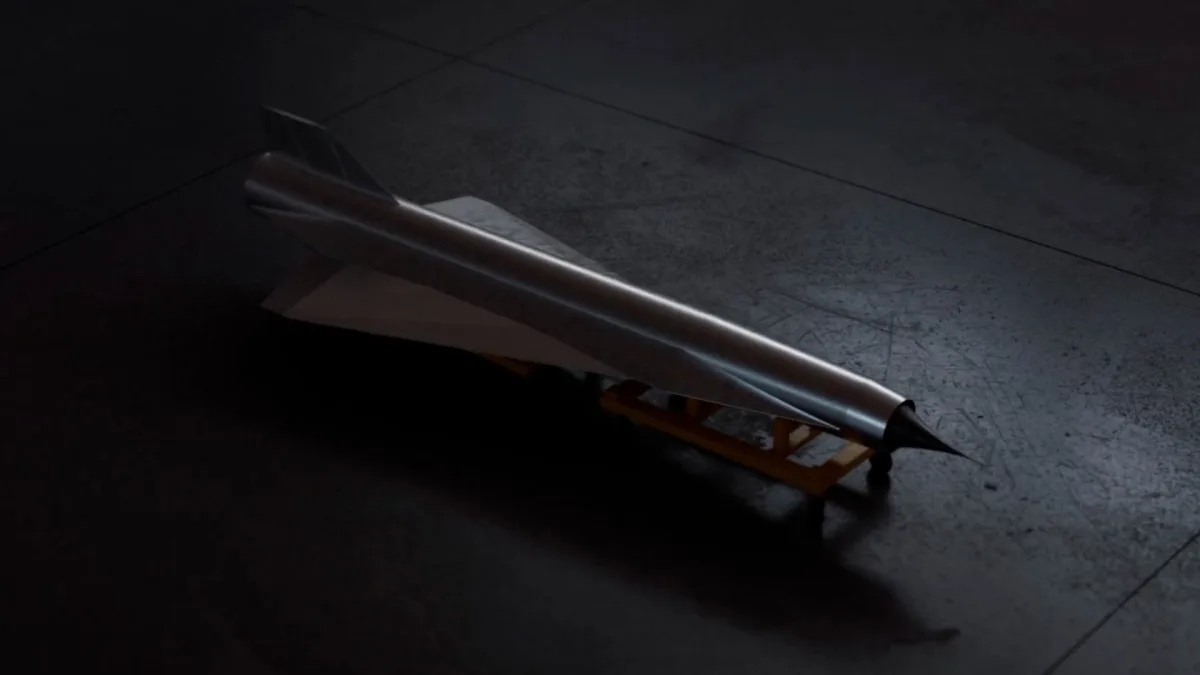
Hermeus Gets FAA Approval for Mach 1+ Drone Test Flights
The FAA authorized Hermeus to conduct six supersonic test flights of its Quarterhorse Mk 2.2 drone at White Sands through August 2027.
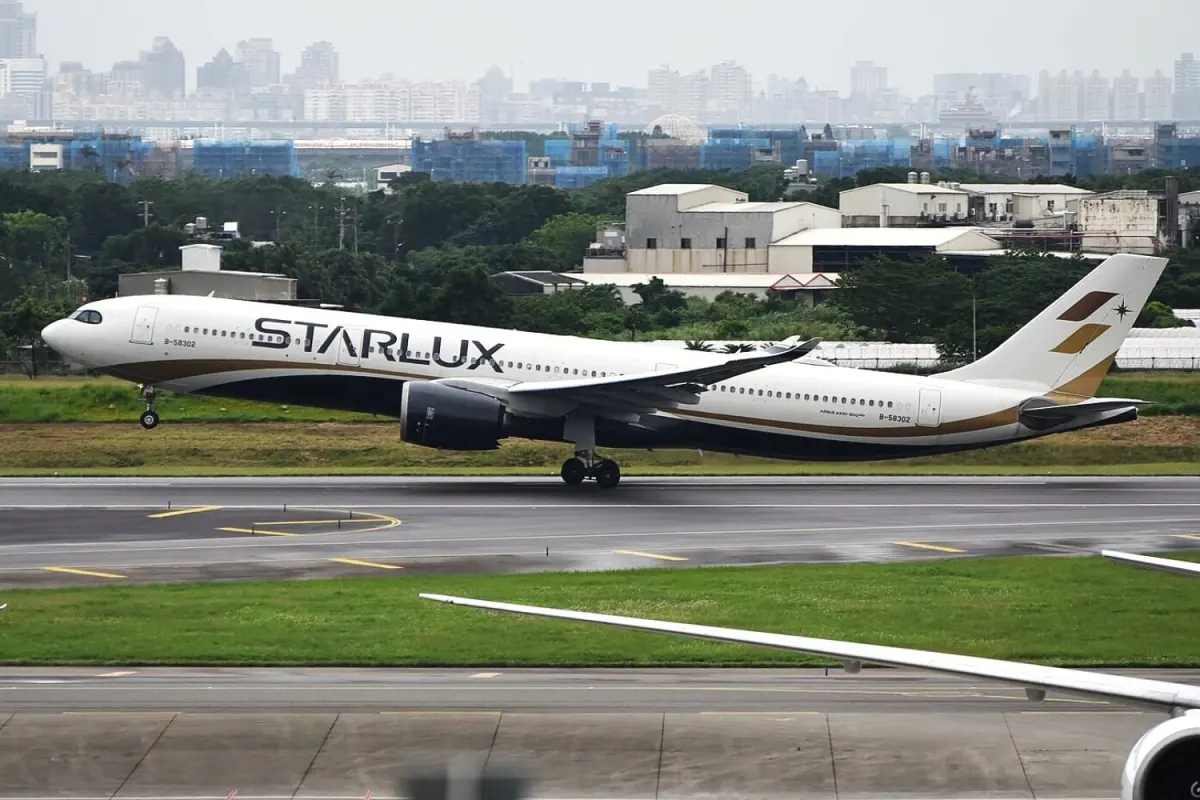
Airbus Deliveries Slow to 57, Putting 870 Target at Risk
Airbus delivered 57 aircraft in August 2026, requiring a surge to 99 monthly deliveries to meet its full-year target of 870.
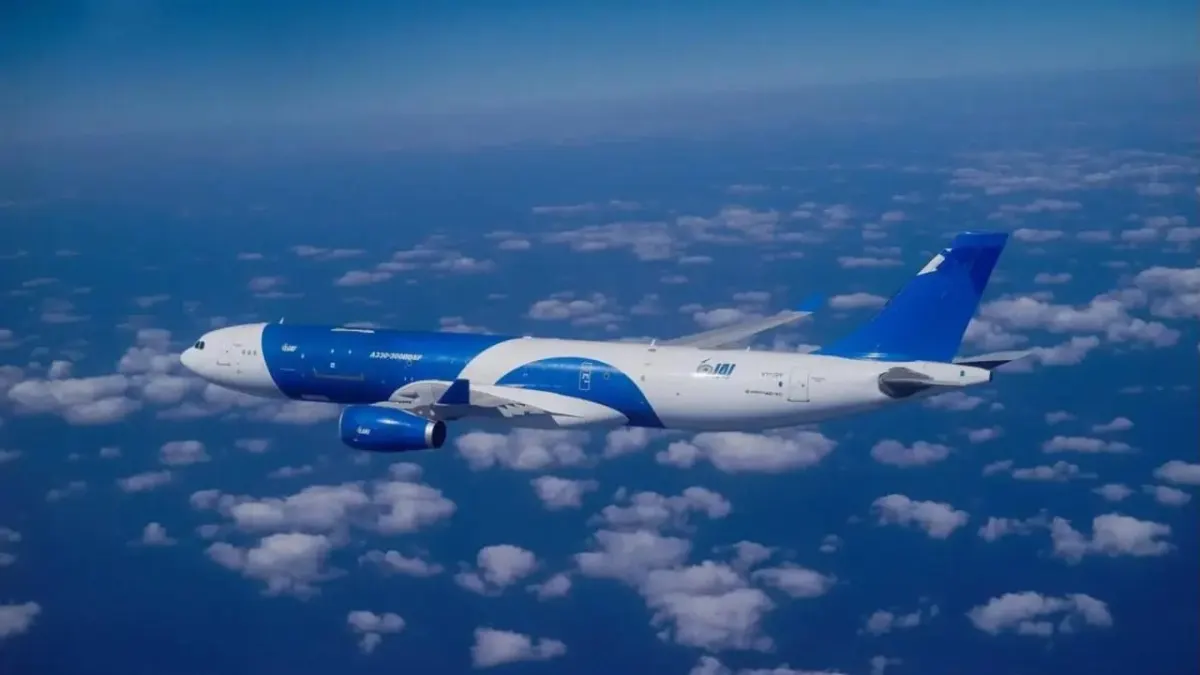
IAI Completes First Flight of A330-300BDSF Cargo Conversion
Israel Aerospace Industries successfully completed the first flight of its A330-300BDSF, an Airbus widebody converted for cargo operations.

Embraer Delivers 2,000th E-Jet to Azul Linhas Aéreas
Embraer reached a major milestone with the delivery of its 2,000th E-Jet, an E195-E2, to Brazilian operator Azul Linhas Aéreas on September 2, 2026.
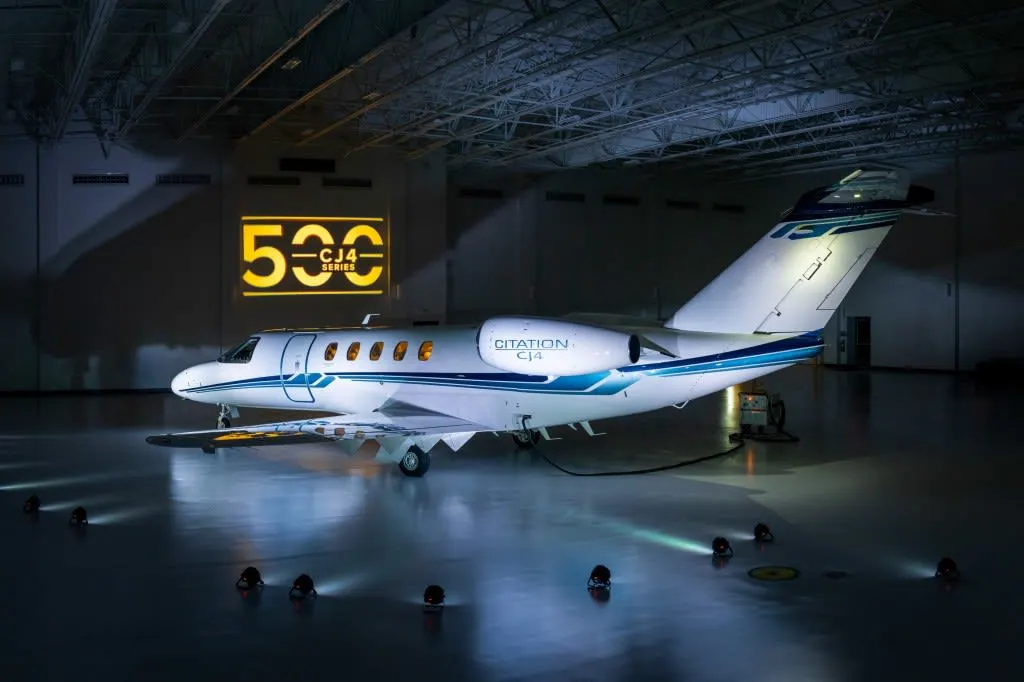
Cessna Citation CJ4 Achieves 500th Delivery
Textron Aviation delivered its 500th Cessna Citation CJ4 business jet to a customer in the Philippines as the manufacturer nears Gen3 certification.