Airbus A350-1000ULR Begins Two-Month Certification Campaign

Co-Founder & CEOAviation News Editor delivering trusted coverage across the global aviation industry.

Airbus has initiated the two-month certification campaign for the A350-1000ULR, a variant designed for Qantas' Project Sunrise ultra-long-haul routes.
Key Takeaways
- •Airbus A350-1000ULR began a two-month certification campaign in June 2026.
- •The aircraft features a 20,000-liter Rear Centre Tank for added range.
- •Qantas holds a firm order for 12 aircraft for its Project Sunrise flights.
- •Certification is expected to be completed by August 2026.
Airbus A350-1000ULR Flight Testing Commences
Airbus has officially commenced the two-month certification campaign for its A350-1000ULR (Ultra Long Range) aircraft. The program follows the successful maiden flight of the first test airframe, Manufacturer Serial Number (MSN) 707, which took place in Toulouse on June 2, 2026. The flight lasted 3 hours and 43 minutes, reaching an altitude of approximately 41,000 feet. This aircraft is the cornerstone of Qantas' Project Sunrise, a strategic initiative designed to connect Sydney with global hubs like London and New York through direct, non-stop flights.
Technical Enhancements for Ultra-Long-Haul Flights
The A350-1000ULR incorporates significant engineering modifications to facilitate extended missions. The most critical addition is a 20,000-liter Rear Centre Tank (RCT), which increases the aircraft's total fuel capacity to approximately 185,000 liters. According to Airbus product specifications, these changes provide a range extension of roughly 1,000 nautical miles beyond the baseline A350-1000.
A350-1000ULR vs Baseline A350-1000: Key Specifications
| Metric | A350-1000ULR | Baseline A350-1000 |
|---|---|---|
| Range | ~9,700 nm | ~8,700 nm |
| Fuel Capacity | ~185,000 liters | ~165,000 liters |
| Passenger Capacity | 238 seats | 350-410 seats |
Regulatory Context and Certification
The European Union Aviation Safety Agency (EASA) is overseeing the current flight test phase. The certification campaign focuses on validating the structural integrity of the new fuel system, the fuel quantity management software, and a modified galley cooling system. These measures are essential to authorize the increased maximum take-off weight required for commercial operations exceeding 20 hours. Qantas has placed a firm order for 12 of these aircraft to support its network expansion.
Operational Implications and Stakeholder Impact
For Qantas flight and cabin crews, the transition to 22-hour duty times necessitates new fatigue risk management systems and specialized rest protocols. Furthermore, the industry is witnessing a shift toward premium-heavy cabin configurations. To accommodate the weight of extra fuel, the aircraft is configured for only 238 passengers, with over 40% of the cabin dedicated to First, Business, and Premium Economy classes. While Qantas Group CEO Vanessa Hudson has stated that Project Sunrise will overcome the geographic "tyranny of distance," environmental advocates note that the high fuel weight required for such missions impacts carbon efficiency per passenger-kilometer compared to traditional hub-and-spoke models.
Certification Timeline and Delivery Schedule
The certification campaign is expected to conclude by August 2026. Following successful validation by the EASA, Airbus anticipates delivering the first aircraft to Qantas between late 2026 and April 2027. Entry into commercial service for the inaugural ultra-long-haul routes is currently targeted for mid-2027.
Why This Matters for Global Connectivity
This development signals a significant pivot toward point-to-point connectivity that bypasses traditional transit hubs in Asia and the Middle East. If successful, the program will validate the commercial viability of ultra-long-haul operations at scale, potentially disrupting the premium transit traffic currently sustaining those regional hubs. For the aviation industry, the data collected during these missions will provide critical insights into engine performance and airframe durability during extreme-duration flight cycles.
Frequently Asked Questions
- What is the primary range extension feature of the A350-1000ULR?
- The A350-1000ULR features a 20,000-liter Rear Centre Tank (RCT) that increases the aircraft's total fuel capacity and provides a range extension of approximately 1,000 nautical miles over the baseline A350-1000.
- When is the A350-1000ULR expected to enter commercial service with Qantas?
- Following the completion of the certification campaign in August 2026 and expected deliveries starting in late 2026 or early 2027, the aircraft is targeted to enter commercial service for Project Sunrise routes in mid-2027.
omniflights.com provides comprehensive commercial aviation news covering airlines, aircraft, and airports. Get the latest updates on major hubs, regional terminals, and airport operations via the Airports section at omniflights.com/airports.
Written by Hardik Vishwakarma
Co-Founder & Aviation News Editor leading initiatives that improve trust and visibility across the global aviation industry. Covers airlines, airports, safety, and emerging technology.
Visit ProfileYou Might Also Like
Discover more aviation news based on similar topics

Boeing Logs 15 Gross Orders Including 13 787 Dreamliners
Boeing recorded 15 gross orders in August 2026, featuring 13 widebody 787 Dreamliner commitments from undisclosed customers.
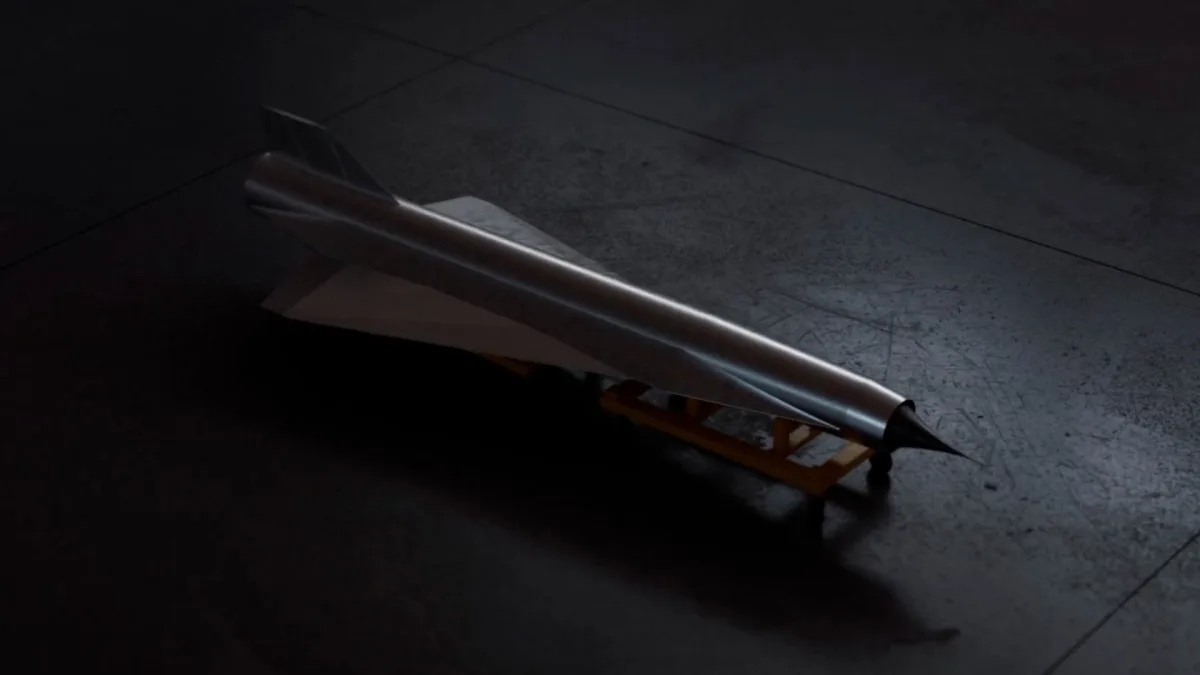
Hermeus Gets FAA Approval for Mach 1+ Drone Test Flights
The FAA authorized Hermeus to conduct six supersonic test flights of its Quarterhorse Mk 2.2 drone at White Sands through August 2027.
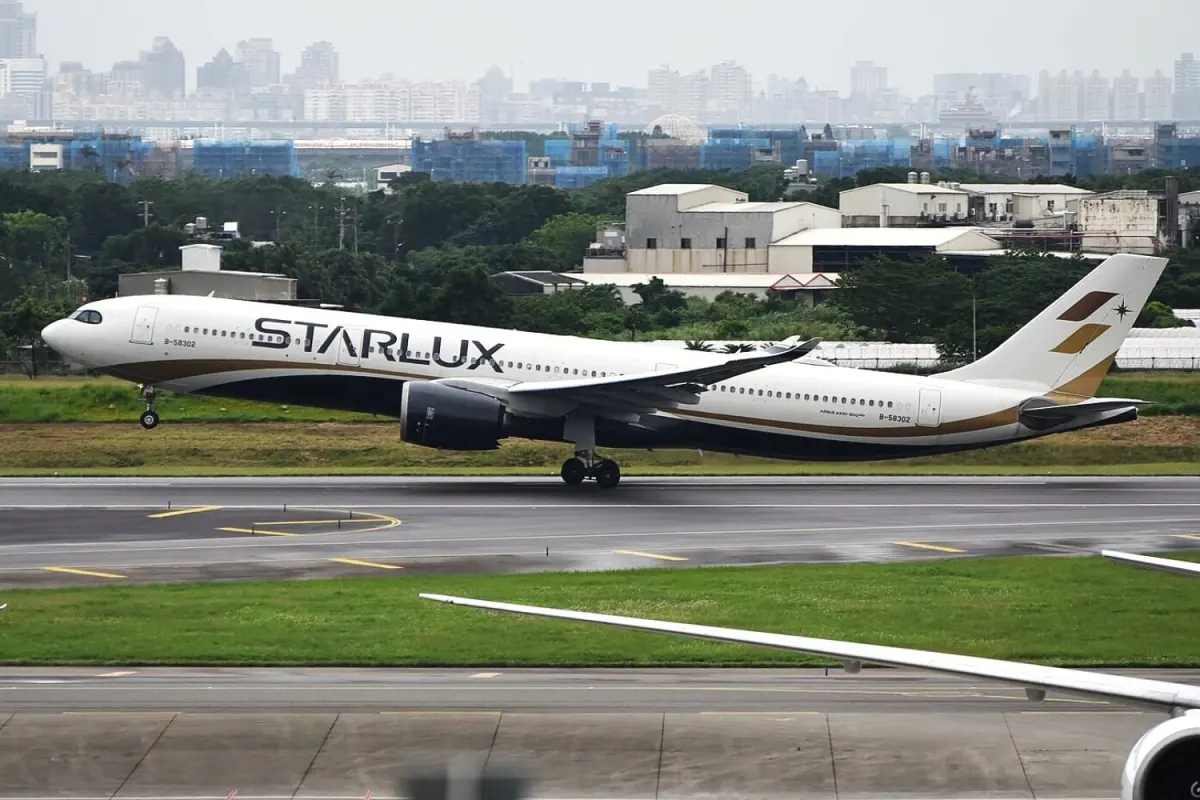
Airbus Deliveries Slow to 57, Putting 870 Target at Risk
Airbus delivered 57 aircraft in August 2026, requiring a surge to 99 monthly deliveries to meet its full-year target of 870.
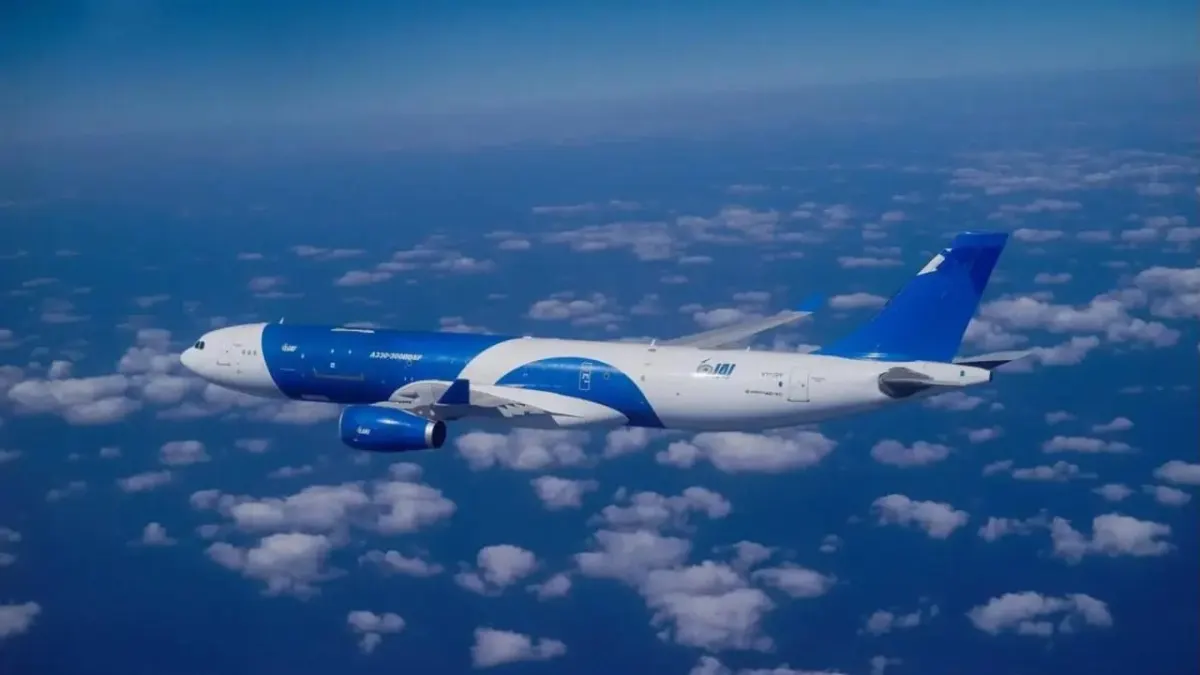
IAI Completes First Flight of A330-300BDSF Cargo Conversion
Israel Aerospace Industries successfully completed the first flight of its A330-300BDSF, an Airbus widebody converted for cargo operations.

Embraer Delivers 2,000th E-Jet to Azul Linhas Aéreas
Embraer reached a major milestone with the delivery of its 2,000th E-Jet, an E195-E2, to Brazilian operator Azul Linhas Aéreas on September 2, 2026.
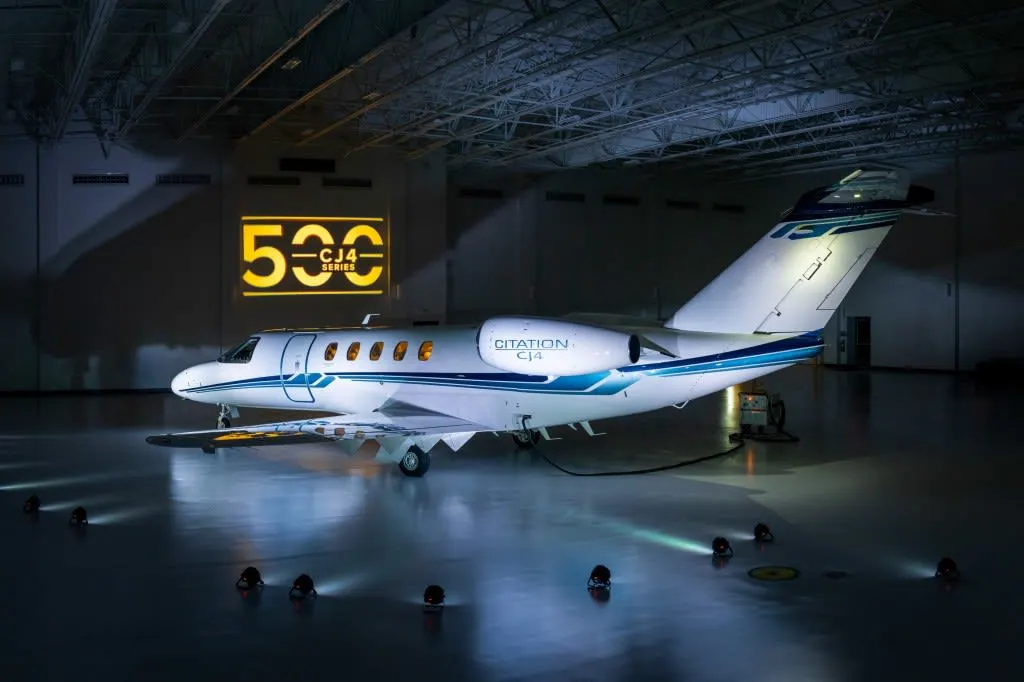
Cessna Citation CJ4 Achieves 500th Delivery
Textron Aviation delivered its 500th Cessna Citation CJ4 business jet to a customer in the Philippines as the manufacturer nears Gen3 certification.