Air Peace Partners with DAT for 737 NG Crew Training

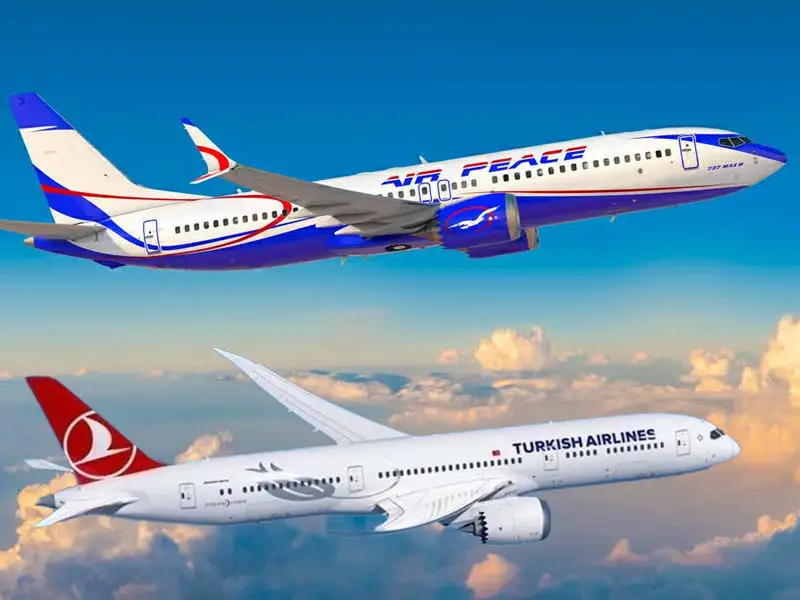
Air Peace has partnered with Dutch Aviation Trainers to enhance pilot training for its Boeing 737 NG fleet to support its regional expansion.
Key Takeaways
- •Air Peace expands pilot training contract with Dutch Aviation Trainers.
- •Partnership covers Boeing 737 NG and Embraer E1/E2 aircraft types.
- •Integration of new 737 NG training syllabus is expected by Q3 2026.
- •Air Peace operates over 30 aircraft as West Africa's largest airline.
Nigeria’s largest airline, Air Peace, has entered into a strategic partnership with Dutch Aviation Trainers (DAT) to reinforce the technical capabilities of its flight crews. The collaboration, finalized at the airline's corporate headquarters in Lagos, focuses on expanding pilot training programs, specifically targeting the Boeing 737 Next Generation (NG) fleet. This agreement builds upon an existing relationship in which the European Approved Training Organization (ATO) already manages training for the airline’s Embraer E1 and E2 aircraft types.
Fleet Modernization and Training Strategy
As the airline continues to scale its operations, the need for standardized, high-level instruction has become a strategic priority. Air Peace currently operates a fleet of over 30 aircraft, maintaining its position as the largest carrier in West Africa. The airline is actively transitioning from older Boeing 737 Classic models toward more fuel-efficient 737 NGs and Embraer E195-E2 jets. This fleet shift necessitates updated crew certifications and advanced simulator training, which the airline increasingly sources from specialized international partners.
According to industry trends, African airlines are increasingly relying on European ATOs for complex type-rating training. This shift is driven by the prohibitive capital costs associated with maintaining domestic full-flight simulators. By leveraging the expertise of DAT, which operates under European Union Aviation Safety Agency (EASA) Part-ORA and Part-FCL standards, Air Peace ensures its pilots meet rigorous international benchmarks. This alignment is critical for the airline as it manages its growing international route network.
Regulatory and Operational Oversight
For the Nigerian Civil Aviation Authority (NCAA), this partnership requires ongoing coordination to ensure that foreign-provided training meets Nigerian validation standards for flight crew licensing, as mandated by the Nigeria Civil Aviation Regulations (Nig. CARs) Part 2 and Part 3. While the airline emphasizes safety and human capital development, some local aviation analysts have argued that outsourcing advanced type-rating to foreign providers may impact the development of domestic training infrastructure, noting the potential for foreign exchange outflow.
Boeing 737-800 vs. Embraer E195-E2: Key Specifications
| Metric | Boeing 737-800 (NG) | Embraer E195-E2 |
|---|---|---|
| Passenger Capacity | 162-189 | 120-146 |
| Range | 2,935 nmi | 2,600 nmi |
| Engine | CFM56-7B | Pratt & Whitney PW1900G |
Technical Analysis
This development reflects a broader trend of rapid fleet modernization among West African carriers. By securing standardized training for both the Boeing 737 NG and the Embraer E-Jet family, Air Peace is positioning itself to mitigate the operational risks associated with transitioning to more complex, modern flight decks. Historically, partnerships with European firms—such as the airline's past dry-lease agreements—have served as a bridge for growth. This move toward long-term training contracts suggests a shift from temporary capacity solutions toward permanent, integrated operational standards. The reliance on DAT for both Boeing and Embraer platforms highlights a strategy of consolidating training providers to ensure consistent safety protocols across a diverse fleet.
What Comes Next
The integration of the Boeing 737 NG training syllabus is expected to commence by Q3 2026. This timeline aligns with the airline's broader plan to retire its remaining Boeing 737 Classic fleet by late 2026. As Air Peace continues to expand, the NCAA will continue to oversee the validation of these international certifications to ensure compliance with domestic safety regulations.
Why This Matters
This partnership underscores the vital role of international training collaborations in sustaining the growth of African aviation. By aligning with EASA-certified providers, Air Peace is setting a benchmark for regional operational safety and crew proficiency. For the broader industry, the move highlights the ongoing challenge of balancing the need for world-class technical training with the development of sustainable local aviation infrastructure.
Frequently Asked Questions
- What is the primary focus of the partnership between Air Peace and Dutch Aviation Trainers?
- The partnership focuses on reinforcing the technical skills of Air Peace flight crews, specifically through pilot training collaborations for the Boeing 737 NG fleet, while continuing existing training for Embraer E1 and E2 aircraft.
- Why do African airlines like Air Peace outsource pilot training to European ATOs?
- African airlines often outsource to European Approved Training Organizations due to the high capital costs of maintaining domestic full-flight simulators and the need to meet international EASA certification standards.
From airline operations to fleet updates, commercial aviation news lives at omniflights.com. Stay informed on aviation incidents, investigations, and best practices in the Safety category at omniflights.com/safety.

Written by Hardik Vishwakarma
Co-Founder & Aviation News Editor leading initiatives that improve trust and visibility across the global aviation industry. Covers airlines, airports, safety, and emerging technology.
Visit ProfileYou Might Also Like
American Airlines JFK Routes Expand in 2027 Schedule Shift

Emirates Launches Helsinki Flights With New A350 Service
Saudia Group Prepares Major Aircraft Order for 2031-2040
JetBlue Secures 22 LaGuardia Slots in $58.5M Spirit Deal
British Airways Restores Daily London-Buenos Aires Flights