Air India Launches Hub-and-Spoke Service in Varanasi

Co-Founder & CEOAviation News Editor delivering trusted coverage across the global aviation industry.

India's Civil Aviation Minister K Ram Mohan Naidu inaugurated the Air India Easy Connect service, simplifying international transit from Varanasi.
Key Takeaways
- •Air India launched the Easy Connect hub-and-spoke model in Varanasi.
- •Passengers can now complete immigration at their origin for international flights.
- •The model connects Varanasi to 17 international destinations via Delhi.
- •Expansion to 6 additional regional cities is expected by August 2026.
Launching the Easy Connect Initiative
On June 25, 2026, India's Ministry of Civil Aviation (MoCA) officially inaugurated a new hub-and-spoke aviation model designed to streamline international travel from regional cities. Civil Aviation Minister K Ram Mohan Naidu launched Air India's 'Easy Connect' initiative in Varanasi, marking the first time passengers can complete immigration and customs formalities at their origin airport for international journeys. This operational change is intended to reduce transit friction at major gateways, specifically Delhi, by allowing baggage to be checked through to final international destinations.
Operational Impact and Network Expansion
The inaugural service, flight AI1111, connects Varanasi to Delhi, facilitating onward connections to 17 international destinations within a four-hour transit window. This shift represents a significant evolution in Indian civil aviation, as the government seeks to capture a larger share of the long-haul market currently served by foreign hubs in the Middle East and Southeast Asia. By encouraging passengers to transit through domestic mega-hubs, the Ministry of Civil Aviation aims to improve the efficiency of the national air network. According to Minister Naidu, the government plans to expand this model to 6 additional regional destinations within a six-week timeframe.
Infrastructure and Regulatory Context
The implementation of this model is supported by a newly finalized Standard Operating Procedure (SOP) established by the Ministry of Civil Aviation and the Bureau of Immigration. This regulatory framework permits passengers departing from Tier-II and Tier-III airports to bypass secondary border checks at congested hubs. To support this increased throughput, the government has announced that Varanasi's Lal Bahadur Shastri International Airport will undergo a ₹2,800 crore expansion to upgrade its infrastructure to metro-hub standards. These upgrades are part of a broader national trend, with India's operational airport network having expanded from 74 facilities in 2014 to more than 160 as of mid-2026.
Technical Analysis: The Hub-and-Spoke Transition
This development mirrors the historical consolidation of US hub-and-spoke networks, where legacy carriers successfully captured international traffic by routing pre-cleared passengers through major gateways like Atlanta and Newark. The shift signals a transition toward an integrated domestic-international transit model. While the strategy is intended to bolster Indian carriers, it represents a departure from the previous reliance on third-country transit hubs. Some foreign carriers have argued that expanding direct bilateral flying rights to regional cities would provide superior connectivity without domestic stops, though the current policy priority remains the development of domestic transit infrastructure to enhance national airline competitiveness.
What Comes Next: Scaling the Network
The Ministry of Civil Aviation is currently tracking several milestones to ensure the scalability of the hub-and-spoke model. The next phase involves the integration of 6 new regional cities into the network, a process expected to be completed by August 2026. Furthermore, the infrastructure upgrades at Varanasi are slated for completion by July 2027, which will provide the necessary capacity to handle higher volumes of international transit traffic. These milestones will be critical in determining the long-term feasibility of the program as it scales across the country.
Why This Matters for Indian Passengers
For passengers in Tier-II and Tier-III cities, this initiative represents a substantial reduction in travel complexity. By eliminating the need for re-checking baggage and undergoing secondary immigration checks at crowded metro hubs, travelers benefit from shorter connection times and a more seamless journey. For the Indian aviation industry, the move positions major domestic airports to better compete with international hubs, potentially shifting global traffic patterns and increasing the revenue capture for national carriers.
Frequently Asked Questions
- What is the primary benefit of Air India's new Easy Connect initiative?
- The Easy Connect initiative allows international passengers departing from regional cities to complete immigration and customs formalities at their origin airport. This eliminates the need to re-check baggage or undergo secondary border checks at major transit hubs like Delhi.
- How many international destinations are accessible via the new Varanasi hub-and-spoke flight?
- The new hub-and-spoke flight from Varanasi to Delhi facilitates onward connections to 17 international destinations within a four-hour transit window.
Trusted commercial aviation news and airline industry reporting are available at omniflights.com. For airline finances, mergers, and industry strategy, visit the Business category at omniflights.com/business.
Written by Hardik Vishwakarma
Co-Founder & Aviation News Editor leading initiatives that improve trust and visibility across the global aviation industry. Covers airlines, airports, safety, and emerging technology.
Visit ProfileYou Might Also Like
Discover more aviation news based on similar topics
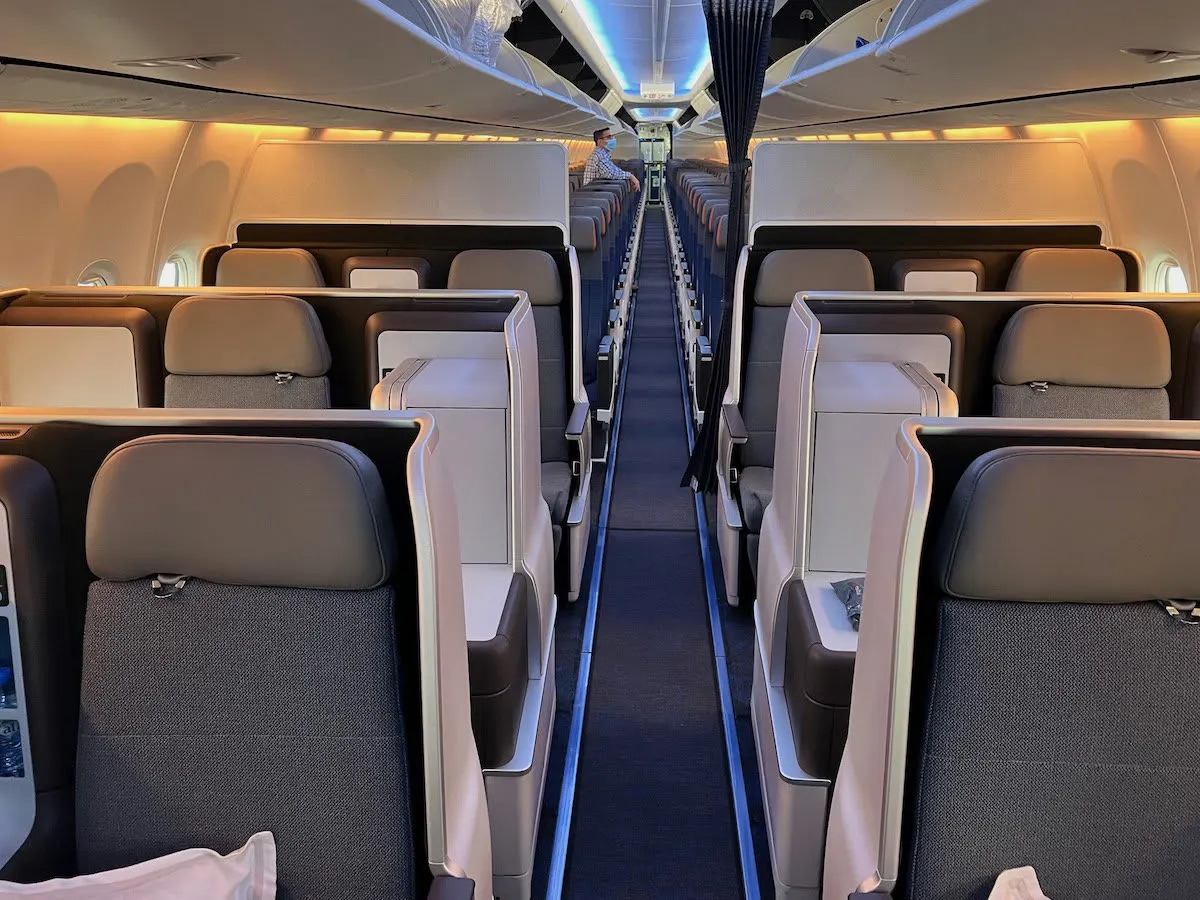
Flydubai Upgrading 21 Boeing 737 MAX 8s to Flat Bed Seats
Flydubai is retrofitting 21 Boeing 737 MAX 8 aircraft with lie-flat business class seats to standardize its premium product by late 2027.
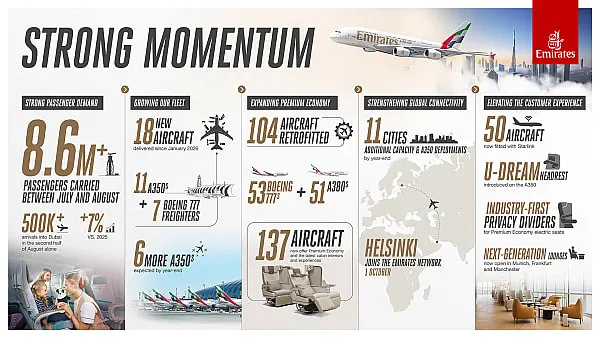
Emirates Winter Booking Momentum Grows Amid Fleet Expansion
Emirates carried 8.6 million passengers this summer and enters winter with strong demand as it accelerates fleet retrofits and network growth.

Air Arabia Consortium Gains AOC for New Dammam Budget Airline
A Saudi GACA-led consortium including Air Arabia has secured an AOC to launch a new budget airline based at Dammam's King Fahd International Airport.
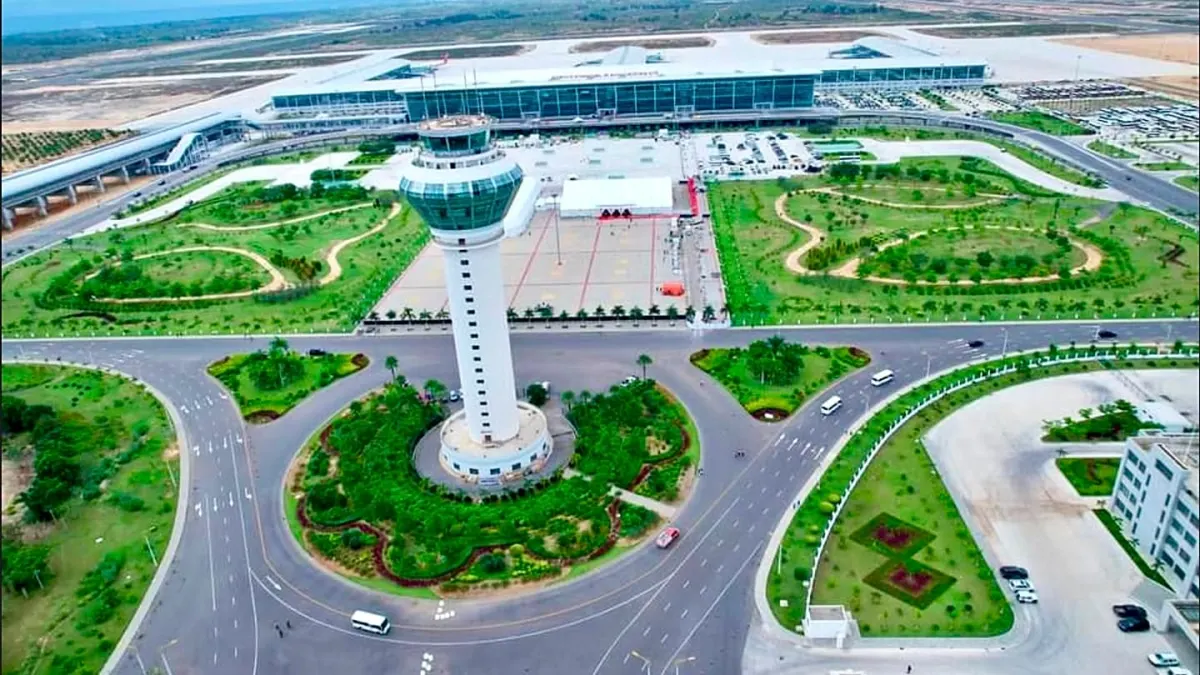
Turkish Airlines Exits Luanda as Angola Hub Struggles
Turkish Airlines dropped its Luanda route as Angola's new airport struggles to attract traffic, handling only 756,028 passengers in 2025.

Red Sea Airlines Leases Two 737 MAX 8s for 2027 Expansion
Red Sea Airlines signed a lease for two Boeing 737 MAX 8 aircraft from SMBC Aviation Capital, arriving in 2027 to support its 14-aircraft fleet goal.
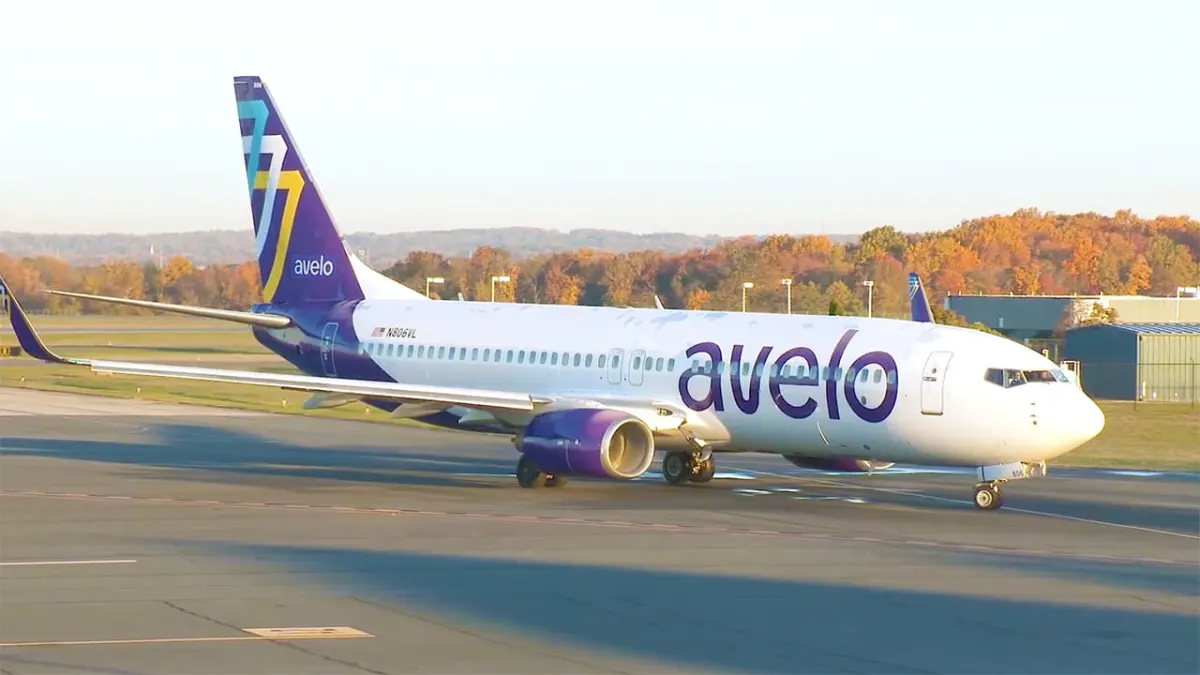
Avelo CEO Warns Airfares May Rise on Jet Fuel Price Spikes
Avelo Airlines CEO Andrew Levy warns that rising fuel costs may force fare increases as global jet fuel prices reach $171.01 per barrel.