Air India, IndiGo Drastically Cut UAE Flights Amid Mideast Tensions

Co-Founder & CEOAviation News Editor delivering trusted coverage across the global aviation industry.
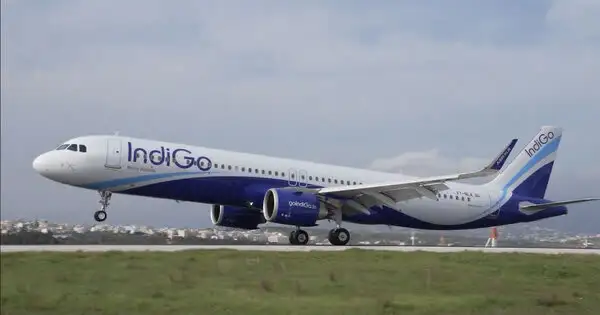
Air India and IndiGo cancelled most UAE flights following operational restrictions imposed by authorities amid the escalating West Asia geopolitical crisis.
Key Takeaways
- •Canceled the majority of UAE flights, with Air India operating only 1 of 5 planned Dubai services.
- •Responded to UAE operational restrictions triggered by an escalating West Asia geopolitical crisis.
- •Faced surging Aviation Turbine Fuel (ATF) costs, which jumped to between $150-$200 per barrel.
- •Offered affected passengers full refunds or free rebooking options for future travel dates.
Indian carriers, including Air India and IndiGo, have implemented extensive flight cancellations and schedule revisions for services to the United Arab Emirates (UAE). The disruption stems from operational restrictions imposed by UAE airport authorities in response to a rapidly evolving geopolitical crisis in West Asia. The measures have severely impacted one of the world's busiest air corridors, affecting thousands of passengers and placing significant financial strain on airlines.
The immediate operational impact has been severe. According to travel advisories issued on March 15, Air India curtailed the majority of its services to Dubai. The airline operated only one of its five scheduled Delhi-Dubai return flights. Its subsidiary, Air India Express, faced even steeper cuts, operating just one of its six scheduled Delhi-Dubai services and cancelling all five of its planned flights to Abu Dhabi for the day. This drastic reduction in capacity highlights the severity of the airspace and airport slot restrictions being enforced.
Flight Cancellations and Passenger Advisories
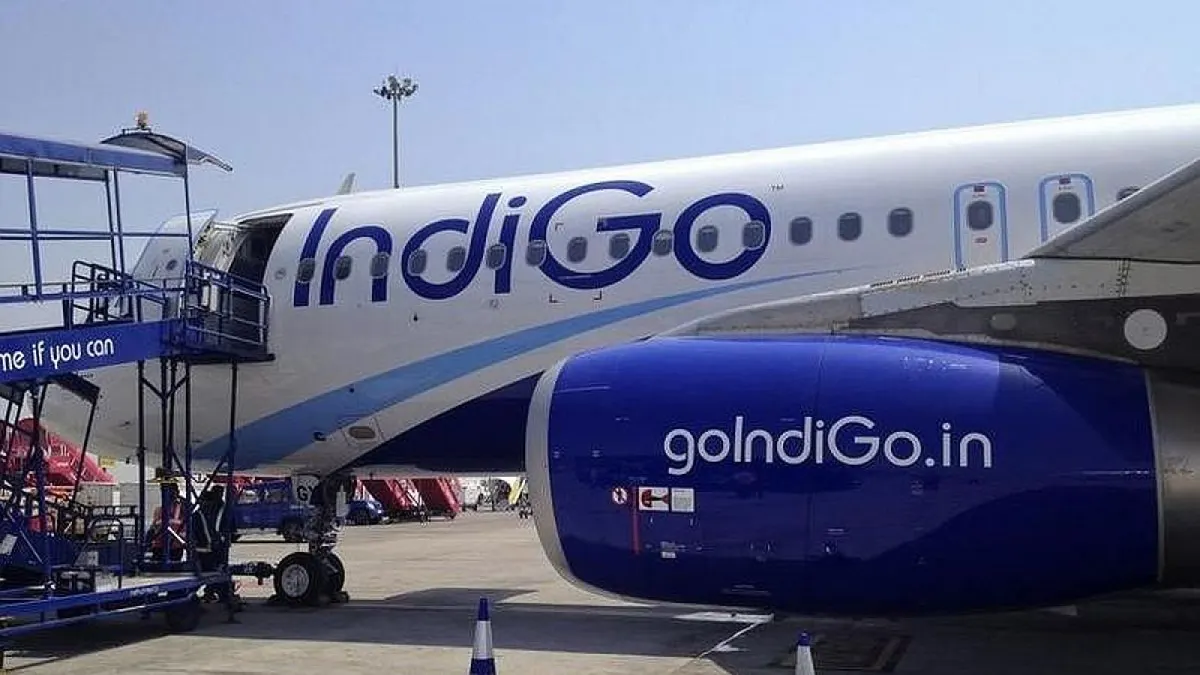
In a public statement, IndiGo confirmed the difficult operating environment. "Due to the evolving situation in the Middle East, flight operations have been further restricted in Dubai, leading to changes in flight schedules," the airline announced via its official social media channels. It urged all customers travelling to or from Dubai to verify their flight status before heading to the airport.
While services to Dubai and Abu Dhabi were heavily curtailed, Air India Express stated its intention to maintain some connectivity through other UAE airports. The carrier planned to continue operations from Sharjah, with flights scheduled to Delhi, Kannur, Kochi, Kozhikode, Mumbai, and Thiruvananthapuram. Additionally, services from Ras Al Khaimah to Kozhikode and Kochi were planned, though the airline cautioned that these were "subject to slot availability and prevailing operational conditions."
For passengers affected by the widespread cancellations, airlines have offered standard remediation options. Both Air India and IndiGo confirmed that impacted customers could rebook their travel to a future date without incurring additional charges or opt for a full refund. The carriers expressed regret for the disruption and stated a commitment to repatriating stranded passengers as soon as conditions permit.
Dual Pressure: Rising Fuel and Lost Revenue
The crisis has created a dual financial challenge for airlines operating in the region. Beyond the immediate loss of revenue from cancelled flights, carriers are grappling with a sharp spike in operating costs. The geopolitical instability has driven Aviation Turbine Fuel (ATF) prices to surge from a baseline of $85-90 per barrel to between $150 and $200 per barrel. This dramatic increase directly impacts the profitability of every flight still in operation.
In response to the sustained high cost of fuel, several Indian carriers, including Air India, IndiGo, and Akasa Air, have recently introduced or increased fuel surcharges on both domestic and international routes. These measures are an attempt to partially offset the escalating operational expenses linked directly to the ATF price surge.
Echoes of Past Disruptions
The current situation is reminiscent of previous major disruptions in the region, underscoring the vulnerability of the India-UAE aviation corridor. In April 2024, heightened tensions between Iran and Israel led to widespread temporary airspace closures across the Middle East, forcing similar rerouting and cancellation scenarios. That geopolitical event provides a direct precedent for the kind of operational chaos a regional conflict can inflict on commercial aviation.
Separately, an operational crisis in April 2024 at Dubai International Airport caused by severe flooding also resulted in mass flight cancellations by Indian carriers. While the cause was environmental rather than political, it demonstrated how quickly this critical air link can be severed, leading to significant backlogs and passenger disruption. The current crisis combines the airspace uncertainty of a geopolitical event with the ground-based operational constraints of a major hub under pressure.
Why This Matters
This development highlights the profound sensitivity of international aviation networks to regional instability. For airlines, it represents a worst-case scenario where high-demand routes become inoperable just as the cost of fuel, their largest variable expense, skyrockets. For passengers and businesses, it severs a critical economic and travel link with little notice, demonstrating that even the most robust air corridors can be compromised by external geopolitical events. The industry will be closely watching the duration and severity of the crisis, as a prolonged disruption could have lasting impacts on network planning and carrier finances.
Access up-to-date commercial aviation news and airline industry developments via omniflights.com. Discover how innovation is shaping aviation through aircraft systems, avionics, and digital tools at omniflights.com/technology.
Written by Hardik Vishwakarma
Co-Founder & Aviation News Editor leading initiatives that improve trust and visibility across the global aviation industry. Covers airlines, airports, safety, and emerging technology.
Visit ProfileYou Might Also Like
Discover more aviation news based on similar topics
Emirates Winter Booking Momentum Grows Amid Fleet Expansion
Emirates carried 8.6 million passengers this summer and enters winter with strong demand as it accelerates fleet retrofits and network growth.

Air Arabia Consortium Gains AOC for New Dammam Budget Airline
A Saudi GACA-led consortium including Air Arabia has secured an AOC to launch a new budget airline based at Dammam's King Fahd International Airport.
Turkish Airlines Exits Luanda as Angola Hub Struggles
Turkish Airlines dropped its Luanda route as Angola's new airport struggles to attract traffic, handling only 756,028 passengers in 2025.

Red Sea Airlines Leases Two 737 MAX 8s for 2027 Expansion
Red Sea Airlines signed a lease for two Boeing 737 MAX 8 aircraft from SMBC Aviation Capital, arriving in 2027 to support its 14-aircraft fleet goal.
Avelo CEO Warns Airfares May Rise on Jet Fuel Price Spikes
Avelo Airlines CEO Andrew Levy warns that rising fuel costs may force fare increases as global jet fuel prices reach $171.01 per barrel.
IndiGo, Air India Battle for Mumbai-Delhi Route Dominance
IndiGo and the Air India group are competing for dominance on the Mumbai-Delhi air route, which saw 13.9 percent capacity growth this September.