Air India 171: AAIB Report Due on Boeing 787 Crash

Co-Founder & CEOAviation News Editor delivering trusted coverage across the global aviation industry.
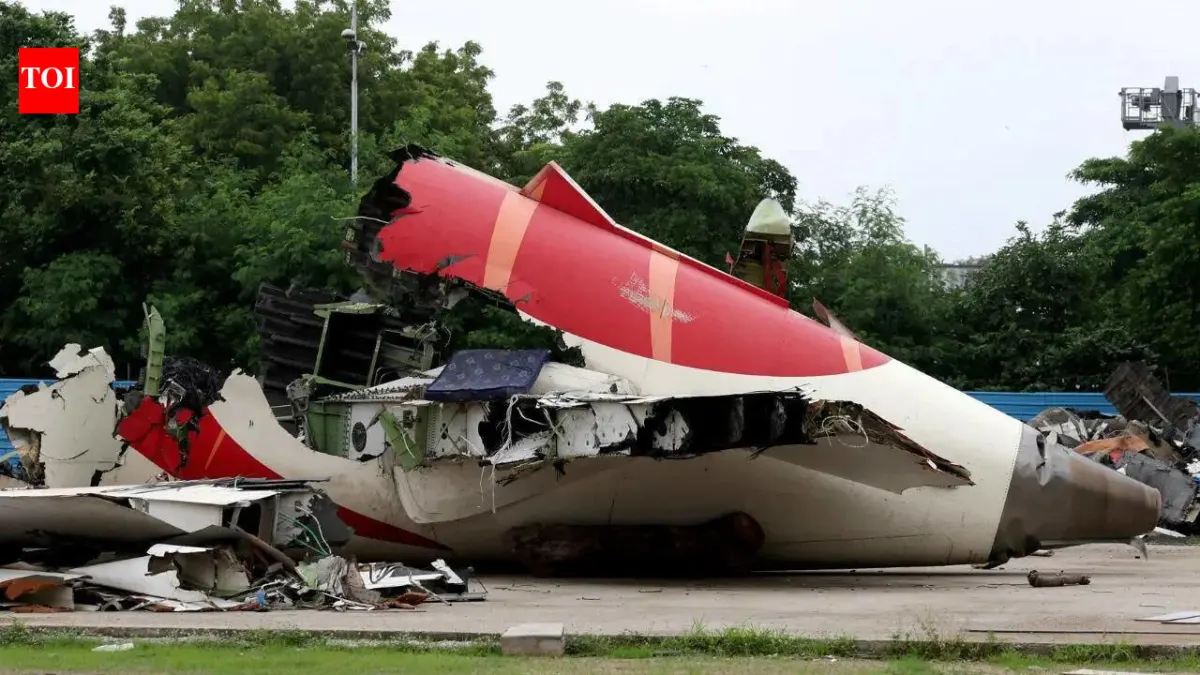
India's AAIB is expected to release a report on the June 2025 Air India 171 Boeing 787 crash, which resulted in 260 fatalities in Ahmedabad.
Key Takeaways
- •AAIB expected to release Air India 171 crash report on June 12, 2026.
- •Investigation focuses on dual fuel switch movement to 'CUTOFF' after takeoff.
- •The 2025 crash resulted in 260 fatalities in Ahmedabad.
- •Experts are scrutinizing the Boeing 787 FADEC and engine control software.
The Investigation Timeline
As the one-year anniversary of the Air India Flight 171 tragedy approaches on June 12, 2026, the Aircraft Accident Investigation Bureau (AAIB) is expected to release an interim or final report regarding the Boeing 787 crash in Ahmedabad. The incident, which occurred on June 12, 2025, remains one of the most significant aviation disasters in recent history, resulting in 260 total fatalities. This includes 241 individuals on board the aircraft and 19 people on the ground at the BJ Medical College hostel complex. The International Civil Aviation Organization (ICAO) mandates under Annex 13 that investigating states must provide a public update on the anniversary if a final report is not yet complete.
Technical Focus: The Fuel Cutoff Mystery
Central to the AAIB investigation report is the unexplained movement of both engine fuel control switches from 'RUN' to 'CUTOFF' just seconds after lift-off. Investigators are examining whether this was an uncommanded action triggered by a FADEC (Full Authority Digital Engine Control) software glitch or a manual error by the flight crew. The Boeing 787-8 was carrying 242 passengers and crew at the time of the accident, including 169 Indian nationals and 53 British nationals. The Boeing 787 Commercial Transport platform is currently under intense scrutiny to determine if a systemic software or electrical fault exists within the engine management architecture.
Stakeholder Impact and Safety Implications
For the Boeing 787 program, the findings of this report carry high-stakes consequences. Confirmation of a systemic fault could lead to mandatory Airworthiness Directives or a temporary grounding of the fleet. Independent aviation analysts have argued that the crash may have resulted from a cascading electrical or software failure, contrasting with earlier theories of pilot error. This debate mirrors the industry’s broader focus on the risks associated with complex fly-by-wire automation. For Air India, the loss of the widebody frame and the subsequent public and parliamentary scrutiny have placed significant pressure on the carrier's safety protocols and operational transparency.
Historical Precedents and Industry Trends
The Ahmedabad plane crash bears parallels to the 2008 British Airways Flight 38 accident, where a dual engine failure on final approach was eventually attributed to fuel flow restrictions. That event led to a critical redesign of engine fuel-oil heat exchangers. Similarly, the industry is looking back at the Ethiopian Airlines Flight 302 disaster in 2019, which prompted a global grounding of the Boeing 737 MAX due to automated system behavior. These historical precedents suggest that the AAIB's findings could necessitate broad changes in how digital engine controls are certified and monitored across the global fleet.
Inside the FADEC and Systemic Data Analysis
Data from the aircraft's flight recorders remains the primary focus for investigators. The timing of the Ram Air Turbine (RAT) deployment is a critical metric being cross-referenced with the sequence of the fuel switch movement. The following table highlights specifications of the aircraft type involved in the incident compared to its contemporary, the Airbus A330-800neo.
Boeing 787-8 vs. Airbus A330-800neo: Key Specifications
| Metric | Boeing 787-8 | Airbus A330-800neo |
|---|---|---|
| Range | 7,305 nm | 8,150 nm |
| Typical Seating | 248 | 257 |
What Comes Next: The June 12 Milestone
The Aircraft Accident Investigation Bureau is expected to deliver its findings by June 12, 2026. This report is anticipated to clarify the sequence of events leading to the dual engine failure and determine whether the FADEC malfunction was a result of software logic or external electrical interference. The findings will likely dictate the next phase of regulatory oversight for the Boeing 787 fleet worldwide.
Why the Global Industry Is Watching
The outcome of this investigation is critical for global aviation safety, as it addresses the growing concern over software-hardware interfaces in modern aircraft. For airlines and regulators alike, the primary question is whether the current digital control systems contain a single point of failure that could affect other widebody operations. The industry awaits the AAIB's conclusions to determine if current safety protocols are sufficient to manage the risks inherent in highly automated, fly-by-wire flight decks.
Frequently Asked Questions
- What is the primary focus of the AAIB investigation into Air India Flight 171?
- The investigation is focused on why both engine fuel control switches moved to the 'CUTOFF' position just seconds after takeoff, and whether this was caused by a FADEC software glitch or pilot error.
- How many fatalities resulted from the Air India 171 crash?
- The crash resulted in 260 total fatalities, including 241 people on board the Boeing 787 and 19 individuals on the ground at the medical hostel site.
omniflights.com provides comprehensive commercial aviation news covering airlines, aircraft, and airports. Get the latest updates on major hubs, regional terminals, and airport operations via the Airports section at omniflights.com/airports.
Written by Hardik Vishwakarma
Co-Founder & Aviation News Editor leading initiatives that improve trust and visibility across the global aviation industry. Covers airlines, airports, safety, and emerging technology.
Visit ProfileYou Might Also Like
Discover more aviation news based on similar topics
Ryanair Flight RK514 Diverts to Birmingham After Emergency
Ryanair flight RK514 diverted to Birmingham Airport on September 13, 2026, following a medical emergency involving a passenger.

Amazon Suspends 21 Air After Fatal Miami 767 Runway Overrun
Amazon has suspended operations with 21 Air following a fatal Boeing 767 runway overrun at Miami International Airport that resulted in five deaths.
FAA Proposes A220 Fuel Line Inspections for US Operators
The FAA issued a proposed directive requiring inspection of motive-flow fuel lines on 13 US-registered Airbus A220s to prevent potential leaks.

NATS Denies Military Jet Role in UK ATC Outage
The UK Ministry of Defence denied its aircraft caused a NATS outage that led to over 2,000 flight cancellations and calls for CEO resignation.

21 Air Miami Crash: NTSB Investigates 767 Runway Overrun
A fatal 21 Air Boeing 767 crash at Miami International Airport has triggered an NTSB investigation amid scrutiny of Amazon Air's contract oversight.

Amazon Cargo Plane Crash: 5 Remembered After MIA Excursion
Five cleaning crew members died after an Amazon-contracted Boeing 767 overran the runway at Miami International Airport at 158 knots.