Air China Resumes Direct Beijing-Delhi Flights Amid Thawing Ties

Co-Founder & CEOAviation News Editor delivering trusted coverage across the global aviation industry.
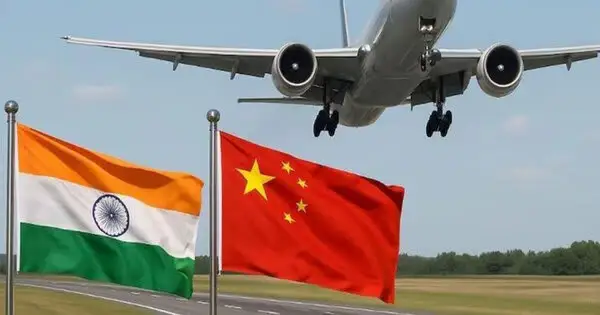
Air China has resumed direct flights between Beijing and Delhi, a key step in restoring air links suspended for over five years due to geopolitical tensions.
Key Takeaways
- •Resumes direct Beijing-Delhi service after a more than five-year suspension.
- •Follows initial route restorations by IndiGo and China Eastern in October 2025.
- •Signals easing geopolitical tensions following a Line of Actual Control agreement.
- •Impacts bilateral trade, tourism, and transit traffic through Southeast Asian hubs.
Air China has resumed direct flight services between Beijing and the Indian capital of New Delhi, marking a significant milestone in the gradual restoration of the air corridor between the two nations. The service recommenced in March 2026, ending a suspension that lasted more than five years following the COVID-19 pandemic and the 2020 Galwan Valley border clash.
The move is being framed by officials as more than a simple route restoration. Chinese Embassy spokesperson Yu Jing emphasized its role in fostering bilateral cooperation. 'Air China resuming direct flights between Beijing & Delhi = more than just travel! It's Trade, Tourism, Trust -- and a BIG green light for SCO & BRICS people-to-people cooperation!' the spokesperson stated. This highlights the flight's perceived importance in strengthening ties within frameworks like the Shanghai Cooperation Organisation (SCO) and BRICS (Brazil, Russia, India, China, and South Africa).
Phased Restoration of Air Links
The resumption of the capital-to-capital connection follows a broader, phased reopening of direct air travel between India and China that began in October 2025. The initial steps were taken by other carriers, focusing on key economic hubs. Indian carrier IndiGo was among the first, launching daily nonstop flights between Kolkata and Guangzhou on October 26, 2025. According to an IndiGo press release, the airline operates this route using Airbus A320 New Engine Option (A320neo) aircraft.
Shortly thereafter, the Shanghai-New Delhi route began operations on November 9, 2025, with a frequency of three flights per week, according to China Eastern Airlines' schedule. The entire process of reinstating these routes required diplomatic clearances, including a No Objection Certificate (NOC) under the bilateral air services agreement, managed by India's Ministry of External Affairs (MEA) and the Civil Aviation Administration of China (CAAC).
Geopolitical Context and Stakeholder Impact
The prolonged suspension of flights since 2020 was a direct consequence of strained diplomatic and economic relations. A key development that enabled the thaw was an agreement reached in October 2024 on patrolling arrangements along the Line of Actual Control (LAC), the de facto border between the two countries. The MEA officially confirmed the decision to resume direct flights shortly after this agreement.
The restoration of direct air links has a significant impact on multiple stakeholders. For Indian and Chinese small and medium-sized enterprises, the return of direct belly-cargo capacity is critical for reducing transit times and logistics costs. Conversely, major Southeast Asian hub airports in cities like Bangkok, Singapore, and Kuala Lumpur face the loss of lucrative transit passenger traffic that had been rerouted through their facilities during the five-year suspension. The tourism and hospitality sectors in both India and China also anticipate a gradual recovery in business travel and tourist arrivals.
Historical Precedents and Analysis
The cautious, phased approach to restarting India-China flights mirrors other instances where geopolitical tensions have severed air links. A similar pattern was observed in the gradual, bilaterally negotiated resumption of US-China direct flights between 2020 and 2024 following pandemic and political disputes. In that case, weekly flight quotas were increased incrementally as relations permitted. This precedent suggests that the current India-China air corridor will likely expand based on the stability of the diplomatic relationship rather than purely on market demand.
While the resumption of flights is a positive indicator, some analysts maintain a cautious outlook. According to strategic and economic analysts in India, broader economic restrictions on Chinese investments and technology in India remain in place, suggesting that a full normalization of ties is still distant.
What Comes Next
The restoration of the India-China air corridor is expected to continue throughout 2026. According to filings with India's Directorate General of Civil Aviation (DGCA), IndiGo is expected to launch direct flights between Kolkata and Shanghai on March 29, 2026. Furthermore, Air India is expected to introduce its own non-stop services, with a route between Mumbai and Shanghai anticipated for late 2026, pending final approvals from the CAAC.
Why This Matters
This development is more than a network update; it serves as a barometer for the sensitive India-China relationship. For the aviation industry, it reopens a major international market, impacting airline revenues, airport traffic, and regional competition. The measured pace of this reopening signals a strategic, diplomacy-led approach to rebuilding one of Asia's most critical air travel corridors.
Visit omniflights.com for the latest commercial aviation news and airline industry updates. Stay informed on aviation incidents, investigations, and best practices in the Safety category at omniflights.com/safety.
Written by Hardik Vishwakarma
Co-Founder & Aviation News Editor leading initiatives that improve trust and visibility across the global aviation industry. Covers airlines, airports, safety, and emerging technology.
Visit ProfileYou Might Also Like
Discover more aviation news based on similar topics
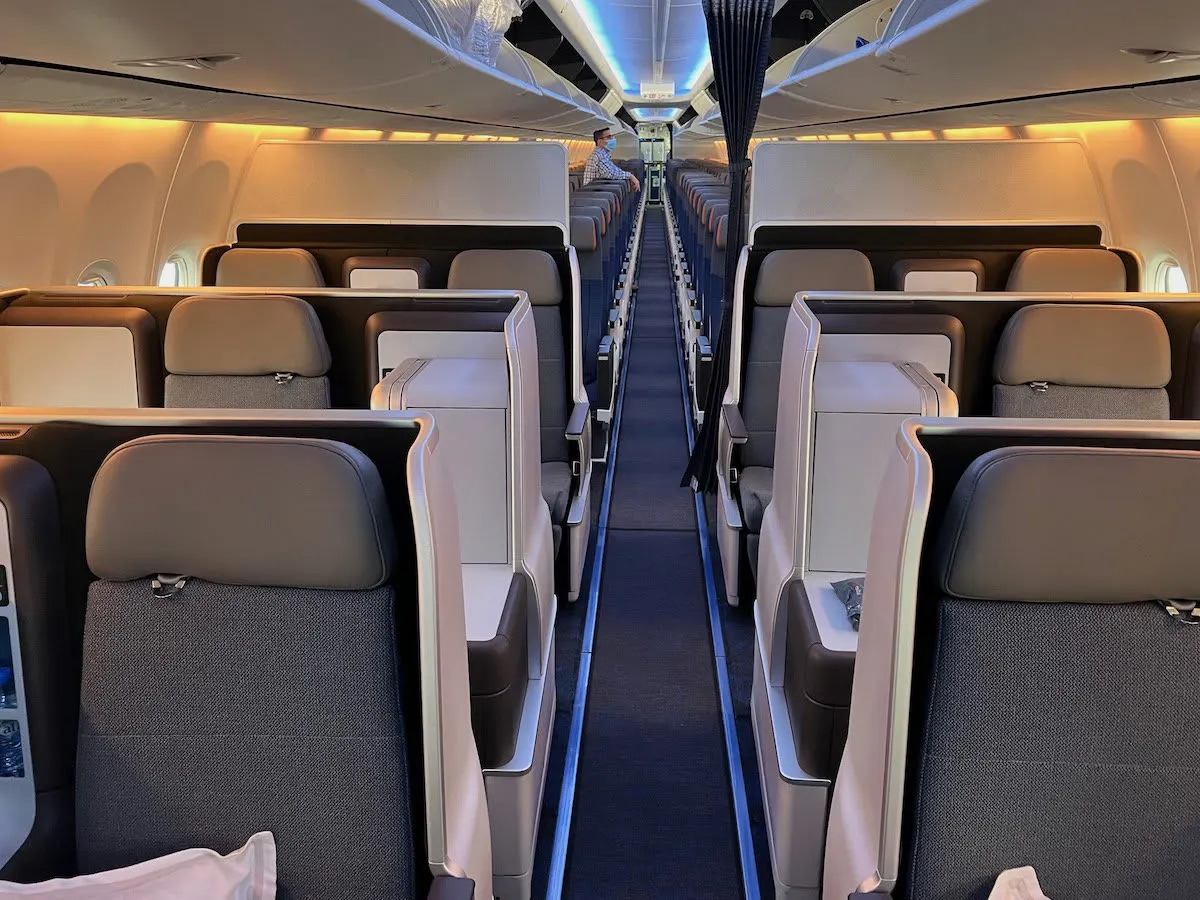
Flydubai Upgrading 21 Boeing 737 MAX 8s to Flat Bed Seats
Flydubai is retrofitting 21 Boeing 737 MAX 8 aircraft with lie-flat business class seats to standardize its premium product by late 2027.
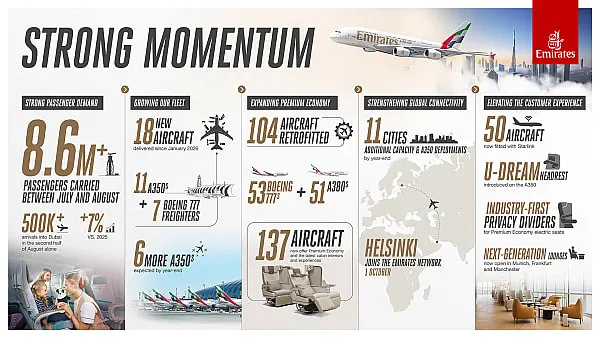
Emirates Winter Booking Momentum Grows Amid Fleet Expansion
Emirates carried 8.6 million passengers this summer and enters winter with strong demand as it accelerates fleet retrofits and network growth.
Air Arabia Consortium Gains AOC for New Dammam Budget Airline
A Saudi GACA-led consortium including Air Arabia has secured an AOC to launch a new budget airline based at Dammam's King Fahd International Airport.
Turkish Airlines Exits Luanda as Angola Hub Struggles
Turkish Airlines dropped its Luanda route as Angola's new airport struggles to attract traffic, handling only 756,028 passengers in 2025.
Red Sea Airlines Leases Two 737 MAX 8s for 2027 Expansion
Red Sea Airlines signed a lease for two Boeing 737 MAX 8 aircraft from SMBC Aviation Capital, arriving in 2027 to support its 14-aircraft fleet goal.
Avelo CEO Warns Airfares May Rise on Jet Fuel Price Spikes
Avelo Airlines CEO Andrew Levy warns that rising fuel costs may force fare increases as global jet fuel prices reach $171.01 per barrel.