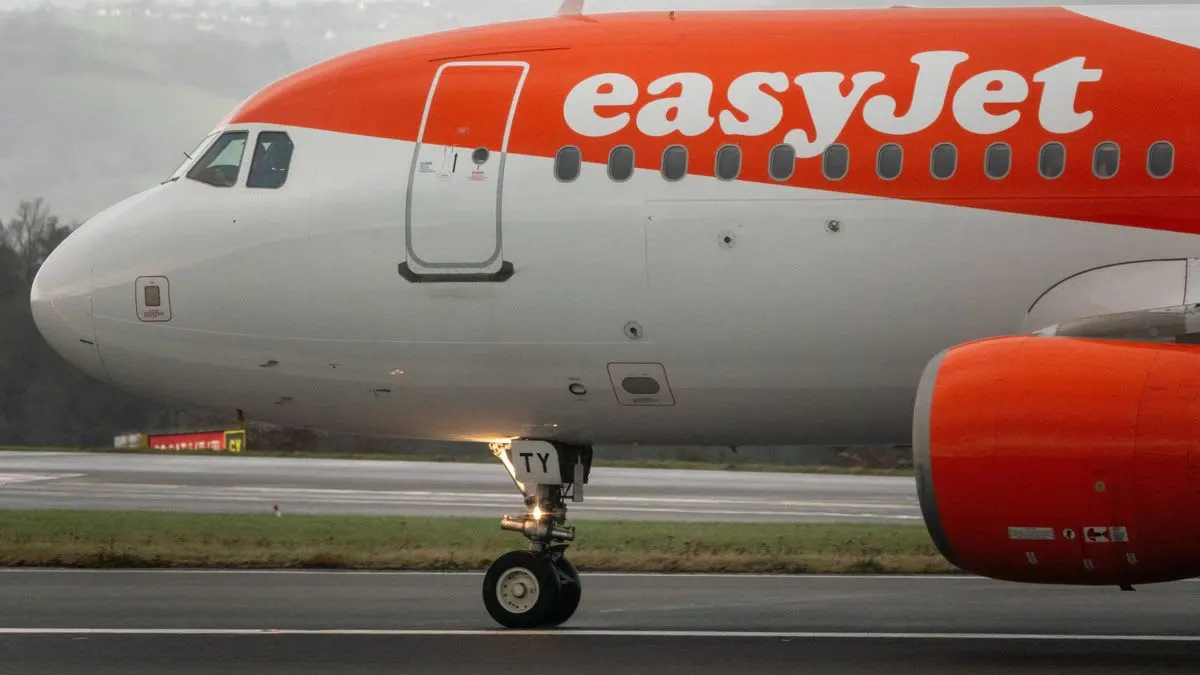
Air China 747-8 Grounded at JFK After Refueling Incident


An Air China Boeing 747-8 was grounded at JFK for three days after a fuel truck drove away while still connected, damaging the aircraft's ports.
Key Takeaways
- •Air China 747-8 grounded at JFK after refueling hose incident.
- •B-2486 remained out of service for three days following fuel port damage.
- •Flight CA982 was cancelled, impacting passengers and fleet utilization.
- •FAA and PANYNJ safety review expected by late 2026.
An Air China Boeing 747-8 was grounded at John F. Kennedy International Airport (JFK) on August 31, 2026, following a severe ground handling incident. The aircraft, registered as B-2486, sustained damage to its refueling ports after a fuel truck departed the gate while hoses were still attached to the aircraft. The event caused a fuel spill on the tarmac, triggering immediate safety protocols.
Operational Disruption at JFK
The incident occurred during preparations for flight CA982, which was scheduled for a 2:05 AM departure to Beijing Capital International Airport (PEK). The damage necessitated the cancellation of the flight, leaving passengers stranded at the terminal. Air China confirmed the disruption in a statement, attributing the cancellation to the unusual movement of a refueling vehicle that compromised aircraft components. The incident falls under the purview of Airport Environmental and Apron Safety Protocols managed by the Port Authority of New York and New Jersey (PANYNJ) and the Federal Aviation Administration (FAA), which mandate rigorous cleanup procedures to mitigate fire risks and ecological damage.
Impact on Stakeholders and Fleet
The most immediate impact was felt by the passengers of flight CA982, who faced sudden cancellation and required rebooking. For Air China, the incident resulted in the loss of a flagship widebody aircraft for nearly three days. The airline's fleet operations returned to normal only after the aircraft departed for Beijing as flight CA78 on September 2, 2026. Meanwhile, the third-party ground handling and refueling contractor at JFK faces potential liability for the repair costs, the environmental cleanup, and the ongoing safety investigation.
Ground Handling Hazards
This incident highlights the persistent operational risks associated with ground support equipment. According to industry data, premature vehicle movement during servicing remains a common hazard, often resulting in significant financial losses and extended aircraft downtime. While the immediate cause of this event appears to be operator error, labor advocates have argued that systemic issues, such as tight turnaround schedules, understaffing, and fatigue among ramp personnel, often contribute to such accidents. This incident serves as a reminder of the vulnerability of large-body aircraft during routine ground operations.
Historical Context of Ramp Incidents
This event is not unique in the aviation industry. In 2025, a China Airlines Boeing 737 suffered wing damage after a collision with a fuel truck in Taipei, which forced the aircraft out of service for repairs. The current situation at JFK follows a similar pattern of mechanical and operational vulnerability. The following table highlights the nature of these ground-based risks:
| Metric | B-2486 Incident (2026) | China Airlines Incident (2025) |
|---|---|---|
| Aircraft Type | Boeing 747-8 | Boeing 737 |
| Primary Damage | Refueling Ports | Right Wing |
| Operational Result | 3-Day Grounding | Extended Repair |
Investigation and Safety Review
The PANYNJ and the FAA are currently conducting a review of ground handling safety at the airport. A formal report regarding the incident and recommendations for updated apron procedures is expected by late 2026. This investigation will focus on whether current safety training and equipment interlocks are sufficient to prevent future fuel hose disconnect errors. As the industry continues to balance rapid turnaround times with safety, the findings of this review will likely influence ground handling protocols at major international hubs.
Frequently Asked Questions
- Why was the Air China Boeing 747-8 grounded at JFK?
- The aircraft was grounded because a fuel truck drove away from the gate while the refueling hoses were still connected, causing damage to the aircraft's fuel ports and a fuel spill.
- How long was the Air China flight delayed due to the incident?
- Flight CA982 was cancelled on August 31, 2026, and the aircraft remained grounded for nearly three days before returning to service as flight CA78 on September 2, 2026.
Access up-to-date commercial aviation news and airline industry developments via omniflights.com. Track policy changes, airspace rules, and global aviation governance in the Regulatory category at omniflights.com/regulatory.

Written by Shashank Shukla
Co-Founder & CTO leading the engineering and AI systems behind Omni Flights. Covers aviation technology, flight safety, aircraft manufacturing, and emerging aerospace developments.
Visit ProfileYou Might Also Like
Israel Bans United Airlines Pilot Over Pro-Iran Posts

Attack on Saudi King Fahd International Airport
LATAM Airlines A320 Engine Fire During Takeoff in Peru
Riyadh Airport Limits Traffic Following Houthi Attacks
FAA Mandates Fuel Valve Inspections for A330 and A340