Air Canada Suspends Dubai Flights Until May Amid Middle East Tensions

Aviation News Editor & Industry AnalystAviation News Editor & Industry Analyst delivering clear coverage for a worldwide audience.

Air Canada has suspended Toronto-Dubai flights until May 1 due to regional conflict, shifting capacity to its Delhi route to provide alternate travel options.
Key Takeaways
- •Suspends Toronto-Dubai flights until at least May 1, 2026, citing regional conflict.
- •Shifts aircraft capacity to the Delhi route to provide alternative travel options to Canada.
- •Responds to airspace disruptions that have prompted special flights by Air India and Qatar Airways.
- •Faces rising operating costs as fuel prices spike due to security risks in the Strait of Hormuz.
Air Canada has suspended all flights between Toronto Pearson International Airport (YYZ) and Dubai International Airport (DXB) until at least May 1, 2026, citing escalating geopolitical tensions in West Asia. The carrier announced it is simultaneously adding capacity to its Delhi route to accommodate displaced passengers and maintain connectivity between Canada and the wider region.
The suspension of the critical YYZ-DXB route disrupts a key transit corridor for passengers traveling between North America, the Middle East, and South Asia. In a public statement, Air Canada confirmed the decision was a direct response to the ongoing unrest, noting that service would be reintroduced gradually only when safe passage can be assured. This move reflects a broader trend of airlines shifting capacity away from conflict zones toward more stable hubs, with Indira Gandhi International Airport (DEL) in Delhi positioned as a primary alternative.
Regional Response and Repatriation Efforts
While some international carriers are retracting services, regional and Indian airlines are actively managing the crisis. Air India and its subsidiary Air India Express are operating a combined total of 80 scheduled and non-scheduled flights to and from West Asia on March 14 alone. According to a press release from the airline, these operations include 10 flights to Jeddah's King Abdulaziz International Airport (JED) and 8 scheduled services to Muscat International Airport (MCT) in Oman.
To address urgent travel needs, the Air India group is also operating 62 non-scheduled flights to the United Arab Emirates (UAE) and Saudi Arabia. These flights are subject to slot availability and require explicit permission from India's Directorate General of Civil Aviation (DGCA) and local regulatory bodies in the Gulf. This highlights the complex logistical and diplomatic coordination necessary to maintain air links amid regional instability.
Further demonstrating the scale of the disruption, Qatar Airways recently facilitated the travel of nearly 500 Indian nationals from Qatar to Kochi and other destinations. The Indian Embassy in Doha confirmed these flights, noting that Qatar's airspace remains only partially open, severely limiting normal flight operations. The carrier also transported the remains of two Indian nationals on humanitarian grounds.
Industry Impact and Economic Fallout
The widespread flight disruptions are a direct consequence of an escalating security crisis in the Gulf, which has seen airspace closures and heightened risk assessments across the region. The conflict has also created significant volatility in global energy markets, particularly around the Strait of Hormuz, a chokepoint through which approximately 20% of the world's oil transits. This has led to a spike in the price of Aviation Turbine Fuel (ATF), prompting Indian carriers like IndiGo and Air India to implement fuel surcharges ranging from Rs 399 to Rs 2,300 to offset rising operational costs.
The impact on stakeholders is severe. Transit passengers face longer travel times and higher costs. Indian expatriates in the Gulf are reliant on a limited number of special flights for repatriation. Concurrently, the global airline industry faces a dual challenge of rerouting aircraft and absorbing higher fuel expenses.
Strategic Divergence and Historical Precedents
The industry's response to the crisis has been bifurcated. While Western airlines like Air Canada and British Airways have opted for long-term cancellations extending through spring 2026, regional carriers such as Emirates and Etihad are cautiously rebuilding their schedules, reflecting a different appetite for operational risk. This strategic divergence underscores the varied impact of the conflict based on an airline's geographic base and network structure.
This pattern of capacity shifting and risk mitigation is consistent with historical precedents. The complete closure of Ukrainian airspace in February 2022 forced a massive rerouting of Europe-Asia flights, demonstrating the industry's ability to adapt networks in response to conflict. Similarly, widespread flight suspensions to Tel Aviv during the Israel-Gaza conflict in October 2023 and temporary airspace closures during the Iran-Israel escalation in April 2024 established a clear playbook for airlines navigating sudden geopolitical flare-ups in the Middle East. The current situation follows this established pattern of prioritizing safety through immediate and often prolonged route suspensions.
What Comes Next
The immediate future of air travel in the region remains uncertain and contingent on de-escalation. Air Canada has set May 1, 2026, as the earliest date for a reassessment of its Toronto-Dubai service. The airline is also scheduled to review its Tel Aviv route on May 2, 2026. Meanwhile, Indian carriers are expected to implement a second phase of fuel surcharges around March 18, 2026, if high ATF prices persist.
Why This Matters
This series of flight suspensions and operational adjustments highlights the profound vulnerability of global aviation networks to geopolitical instability. For airlines, it demonstrates the critical need for agile network planning and the ability to rapidly shift capacity to mitigate financial and operational risk. For passengers and global supply chains, it serves as a stark reminder that even the most established air corridors can be disrupted, impacting connectivity, travel costs, and economic stability on a global scale.
omniflights.com provides comprehensive commercial aviation news covering airlines, aircraft, and airports. Get the latest updates on major hubs, regional terminals, and airport operations via the Airports section at omniflights.com/airports.
Written by Ujjwal Sukhwani
Aviation News Editor & Industry Analyst delivering clear coverage for a worldwide audience. Covers flight operations, safety regulations, and market trends with expert analysis.
Visit ProfileYou Might Also Like
Discover more aviation news based on similar topics
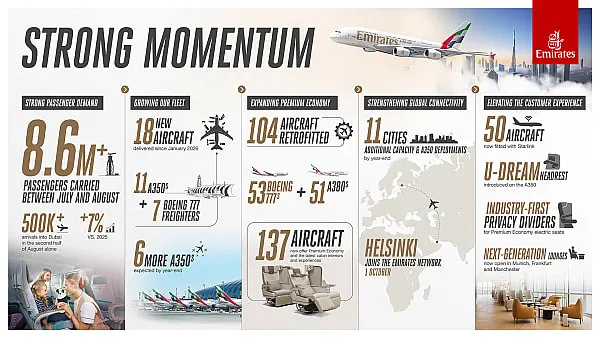
Emirates Winter Booking Momentum Grows Amid Fleet Expansion
Emirates carried 8.6 million passengers this summer and enters winter with strong demand as it accelerates fleet retrofits and network growth.

Air Arabia Consortium Gains AOC for New Dammam Budget Airline
A Saudi GACA-led consortium including Air Arabia has secured an AOC to launch a new budget airline based at Dammam's King Fahd International Airport.
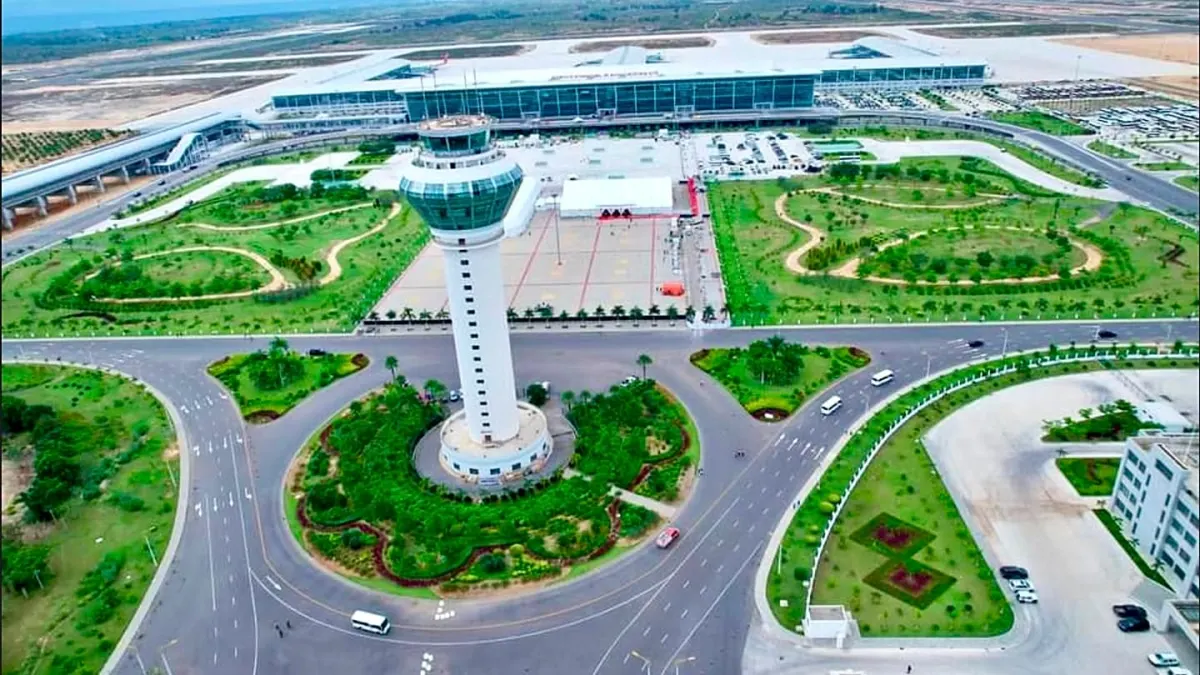
Turkish Airlines Exits Luanda as Angola Hub Struggles
Turkish Airlines dropped its Luanda route as Angola's new airport struggles to attract traffic, handling only 756,028 passengers in 2025.

Red Sea Airlines Leases Two 737 MAX 8s for 2027 Expansion
Red Sea Airlines signed a lease for two Boeing 737 MAX 8 aircraft from SMBC Aviation Capital, arriving in 2027 to support its 14-aircraft fleet goal.
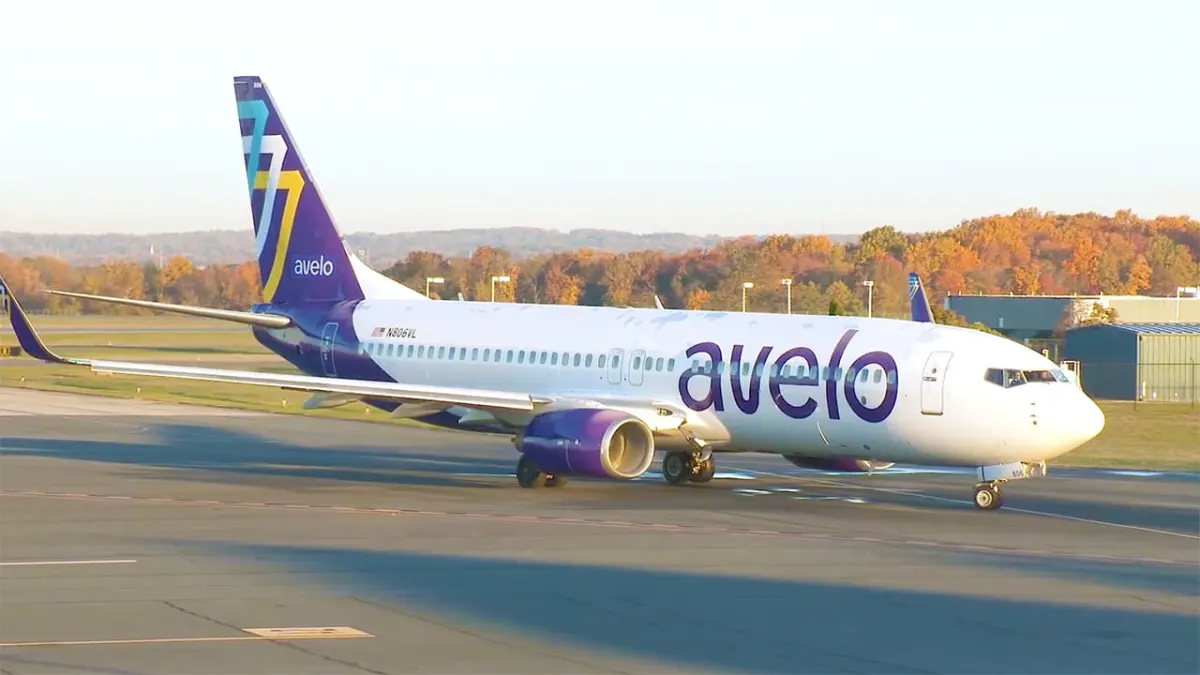
Avelo CEO Warns Airfares May Rise on Jet Fuel Price Spikes
Avelo Airlines CEO Andrew Levy warns that rising fuel costs may force fare increases as global jet fuel prices reach $171.01 per barrel.
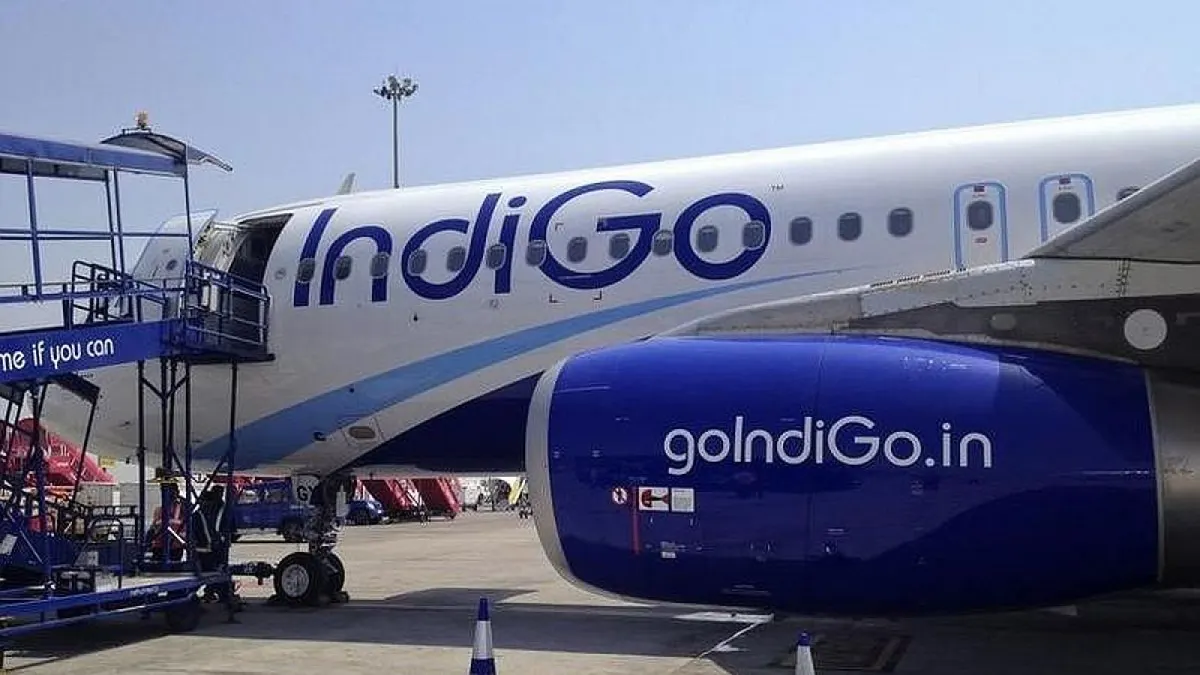
IndiGo, Air India Battle for Mumbai-Delhi Route Dominance
IndiGo and the Air India group are competing for dominance on the Mumbai-Delhi air route, which saw 13.9 percent capacity growth this September.