Air Canada Pilot Charged for 17-Year ATPL Forgery

Co-Founder & CEOAviation News Editor delivering trusted coverage across the global aviation industry.
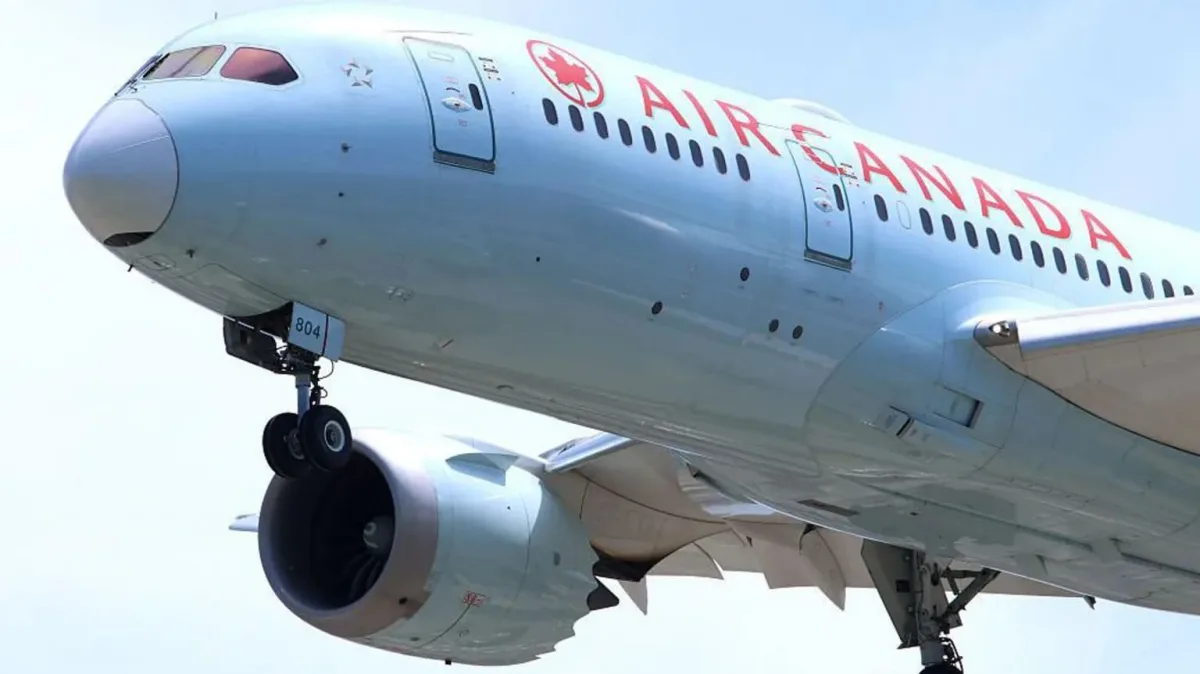
A former Air Canada captain faces fraud charges after allegedly operating over 900 flights with a forged Airline Transport Pilot Licence.
Key Takeaways
- •Geoffrey Wall faces 7 criminal charges for a 17-year pilot license forgery.
- •The pilot flew 900+ commercial flights without the required ATPL certification.
- •Air Canada conducted a fleet-wide audit finding no other credential issues.
- •Transport Canada issued $67,500 in fines for unauthorized flight operations.
The Investigation into Project Icarus
A 59-year-old former Air Canada pilot, Geoffrey Wall, is facing criminal charges following a long-term investigation by the Peel Regional Police. Known as Project Icarus, the inquiry determined that Wall allegedly operated as a captain for 16 to 17 years using forged credentials. According to police, Wall held a legitimate Commercial Pilot Licence (CPL) but lacked the mandatory Airline Transport Pilot Licence (ATPL) required to serve as a pilot-in-command on large commercial aircraft. This deception reportedly allowed him to command over 900 domestic and international flights between 2009 and 2025, earning approximately $2.9 million CAD in salary during that period.
Regulatory Context and Safety Oversight
The case has highlighted significant gaps in the oversight of pilot credentials. Under Canadian Aviation Regulations (CARs) Standard 421.34, the ATPL is the highest level of certification, requiring rigorous written examinations and specific flight-hour thresholds. While Air Canada stated that passenger safety was not compromised—noting that Wall passed all required competency checks and recurrent simulator training—the regulatory failure remains a focal point. Transport Canada has since levied a $67,500 administrative fine against the pilot under CARs Section 103.08 for 18 documented counts of exercising flight crew privileges without the appropriate valid documentation.
Audit and Industry Implications
Following the discovery of the forged documents during a routine evaluation last year, Air Canada initiated a comprehensive audit of its entire pilot workforce, which exceeds 5,000 personnel. The airline confirmed that no other instances of non-compliance were identified. However, the incident has drawn scrutiny toward the verification processes used by both the carrier and the regulator. The Flight Safety Foundation has argued that the primary concern is not the individual's flying ability, but the systemic failure of multiple verification layers that allowed the fraud to persist for over a decade.
Historical Precedents in Aviation Fraud
This case bears striking similarities to past instances of aviation credential fraud. In 2019, William Chandler resigned from South African Airways after it was discovered he had forged his ATPL for over 20 years. Similarly, the 2020 Pakistan International Airlines license scandal, where nearly 30% of pilots were grounded for holding dubious credentials, underscored the vulnerability of global regulatory systems. These precedents suggest that while individual pilot competency is often maintained through rigorous simulator training, the integrity of the underlying certification remains a critical, and occasionally fragile, component of aviation safety.
Technical Analysis of Credential Verification
The persistence of the fraud for nearly two decades indicates a significant blind spot in the integration of digital and physical credential verification between carriers and Transport Canada. Historically, reliance on paper-based or manual verification allowed individuals to exploit gaps in administrative oversight. The shift toward digitized, centralized licensing databases is intended to mitigate this risk; however, the Air Canada incident demonstrates that even with modern protocols, legacy systems or failures in cross-referencing primary source data can result in prolonged lapses. The trajectory of this event suggests that airlines will likely move toward more frequent, automated verification cycles to ensure that the credentials held by flight crew match the highest-authority records maintained by national regulators.
Court Appearance and Legal Proceedings
Geoffrey Wall faces seven criminal counts, including fraud over $5,000, public mischief, and multiple counts of uttering forged documents. His first criminal court appearance is scheduled for June 29, 2026, in Brampton. As the legal process unfolds, the Air Canada Pilots Association (ACPA) faces internal questions, as the accused previously held high-ranking leadership roles within the union, including Chair of the Master Executive Council.
Why This Matters for Regulatory Oversight
This case forces a re-examination of how Transport Canada and major airlines validate pilot credentials. For passengers and the broader aviation industry, the incident signals a need for more robust, primary-source verification protocols that cannot be bypassed by individual deceit. The regulatory scrutiny now facing Transport Canada reflects a growing industry demand for transparency and accountability in the licensing of commercial flight crews.
Frequently Asked Questions
- What is the difference between a CPL and an ATPL?
- A Commercial Pilot Licence (CPL) allows a pilot to fly for hire and act as a co-pilot, but it does not qualify an individual to act as a captain on large, multi-crew commercial aircraft. The Airline Transport Pilot Licence (ATPL) is the highest level of certification and is the legal requirement for serving as a pilot-in-command on such flights.
- How was the pilot's forged license discovered?
- The alleged fraud was discovered last year during a routine evaluation when inconsistencies were flagged with the pilot's license documentation. This triggered an investigation by Transport Canada and a subsequent criminal investigation by the Peel Regional Police.
From airline operations to fleet updates, commercial aviation news lives at omniflights.com. Discover how innovation is shaping aviation through aircraft systems, avionics, and digital tools at omniflights.com/technology.
Written by Hardik Vishwakarma
Co-Founder & Aviation News Editor leading initiatives that improve trust and visibility across the global aviation industry. Covers airlines, airports, safety, and emerging technology.
Visit ProfileYou Might Also Like
Discover more aviation news based on similar topics
Ryanair Flight RK514 Diverts to Birmingham After Emergency
Ryanair flight RK514 diverted to Birmingham Airport on September 13, 2026, following a medical emergency involving a passenger.

Amazon Suspends 21 Air After Fatal Miami 767 Runway Overrun
Amazon has suspended operations with 21 Air following a fatal Boeing 767 runway overrun at Miami International Airport that resulted in five deaths.
FAA Proposes A220 Fuel Line Inspections for US Operators
The FAA issued a proposed directive requiring inspection of motive-flow fuel lines on 13 US-registered Airbus A220s to prevent potential leaks.
NATS Denies Military Jet Role in UK ATC Outage
The UK Ministry of Defence denied its aircraft caused a NATS outage that led to over 2,000 flight cancellations and calls for CEO resignation.
21 Air Miami Crash: NTSB Investigates 767 Runway Overrun
A fatal 21 Air Boeing 767 crash at Miami International Airport has triggered an NTSB investigation amid scrutiny of Amazon Air's contract oversight.

Amazon Cargo Plane Crash: 5 Remembered After MIA Excursion
Five cleaning crew members died after an Amazon-contracted Boeing 767 overran the runway at Miami International Airport at 158 knots.