AI2379 Turbulence Injures 12 on Phuket-Delhi Flight

Co-Founder & CTOCo-Founder & CTO driving the technology and data systems behind Omni Flights.
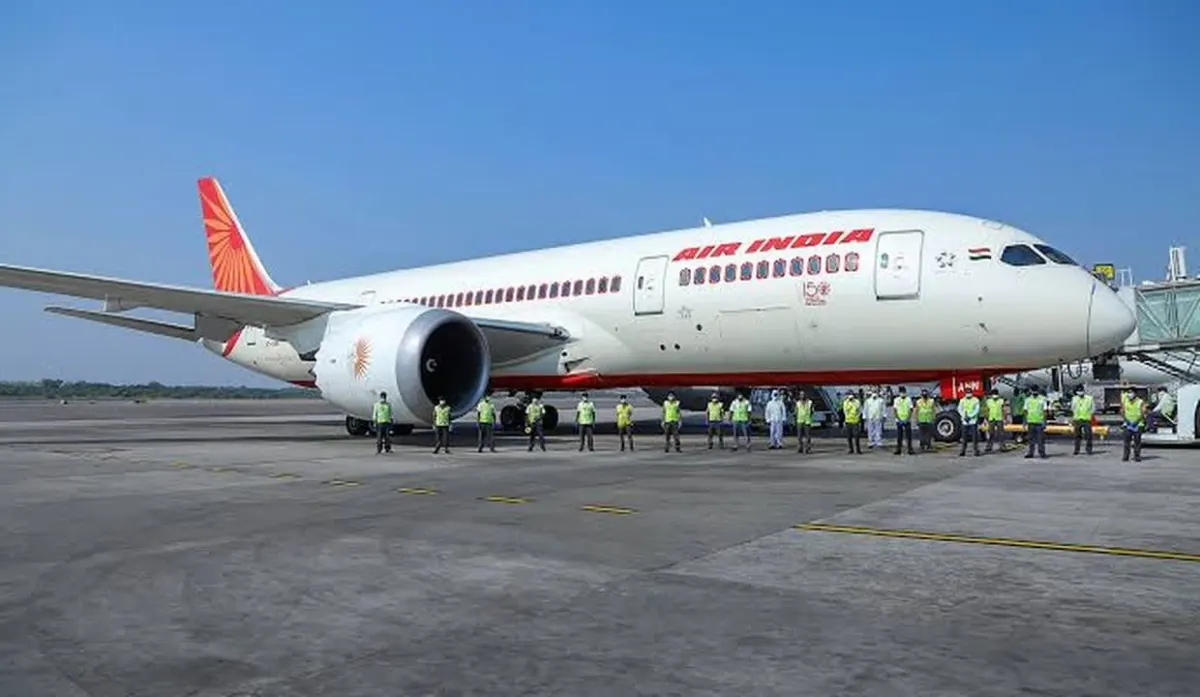
An Air India flight from Phuket to Delhi experienced severe mid-air turbulence, injuring 12 people onboard and triggering a DGCA investigation.
Key Takeaways
- •Air India flight AI2379 encountered severe turbulence on August 4, 2026.
- •Sudden altitude drop of 300 to 425 feet injured 12 people onboard.
- •DGCA launched a formal investigation into the Airbus A320 cabin upset.
- •Clear Air Turbulence incidents are rising globally due to climate change.
An Air India flight turbulence event during flight AI2379 Phuket to Delhi on August 4, 2026, resulted in injuries to 12 people onboard and a sudden Air India A320 altitude drop. The narrow-body aircraft experienced severe mid-air turbulence during its cruise phase, highlighting growing concerns over aviation safety incidents linked to unstable atmospheric conditions. The aircraft landed safely at Indira Gandhi International Airport (DEL) in New Delhi, where medical teams treated the injured.
Turbulence Event During Cruise
The incident has drawn immediate scrutiny from safety regulators and highlights the operational challenges airlines face with unpredictable weather patterns. According to flight-tracking data, the aircraft suffered a rapid loss of altitude within a very short timeframe, catching passengers and cabin crew unprepared. This event underscores the occupational hazards for inflight crew and the critical importance of passenger seatbelt compliance during all phases of flight, even when the seatbelt sign is not illuminated.
The flight, operated by an Airbus A320 narrow-body aircraft registered as VT-EXO, departed Phuket International Airport (HKT) in Thailand bound for Delhi. While cruising, the aircraft encountered sudden atmospheric disturbances. Information available on the Flightradar24 VT-EXO aircraft database record confirmed that the flight operated with an A320 aircraft and lost altitude sometime before landing at the Delhi airport. Specifically, tracking metrics indicated a sudden altitude drop of approximately 300 to 425 feet within a 94-second window.
Regulatory Response and Injury Reports
The Directorate General of Civil Aviation (DGCA), the Indian civil aviation regulatory body, immediately launched a formal probe. According to an official statement from the DGCA, the turbulence resulted in injuries to 12 to 15 individuals, comprising 10 to 11 passengers and up to 4 cabin crew members. An Air India spokesperson officially confirmed the incident, stating that flight AI2379 "experienced a brief in-flight turbulence-related event during cruise, resulting in a momentary change in altitude."
A senior DGCA official expanded on the severity of the cabin environment during the upset, noting that the Pilot In Command "reported a severe injury to one cabin crew member, injury to another and minor injuries to a few passengers due to a sudden loss of approximately 300 feet altitude." Air India's airport team and medical personnel met the aircraft upon arrival in Delhi, transporting those requiring medical assessment to an airport facility. The carrier stated that "all passengers and crew have safely disembarked" and that there had been no reports of life-threatening or permanent injuries.
For the Air India cabin crew, the incident resulted in severe occupational injuries, emphasizing the physical risks faced by inflight staff who must remain mobile to conduct cabin services. For the passengers on route AI2379, the sudden altitude drop caused significant physical distress and minor injuries, leading to precautionary hospitalizations. Meanwhile, the DGCA must now allocate investigative resources to analyze weather data, air traffic control communications, and flight data recorder logs to determine the exact cause.
Clear Air Turbulence and Historical Precedents
This event occurs amid a worrying global trend of increasing atmospheric instability. Peer-reviewed research indicates a 55% increase in severe Clear Air Turbulence (CAT) over the North Atlantic between 1979 and 2020. Atmospheric scientists from the University of Reading have argued that global warming is driving stronger wind shear in jet streams, making severe clear-air turbulence more frequent and harder to detect using conventional airborne radar.
Historically, sudden cabin upsets have led to severe consequences. In May 2024, Singapore Airlines Flight SQ321 encountered severe turbulence during cruise over Myanmar, resulting in dozens of injuries and one fatality. That event prompted a widespread global review of seatbelt policies and turbulence prediction protocols. Similarly, in July 2024, Air Europa Flight UX045 was forced to divert to Brazil after severe turbulence injured over 30 passengers, with some thrown into overhead compartments. Within Air India's own operational history, Air India Flight AI467 in April 2019 encountered severe turbulence on an Amritsar-Delhi route, causing overhead bin damage and minor passenger injuries, which also triggered a comprehensive DGCA investigation.
The Dynamics of Clear Air Turbulence and Altitude Loss
The sudden 300-to-425-foot drop experienced by the Airbus A320 highlights the unique hazards of CAT. Unlike convective turbulence associated with thunderstorms, CAT occurs in cloudless regions and is invisible to both pilot sight and standard meteorological radar. This development indicates that commercial aviation is entering a period of heightened operational risk during the cruise phase. As global temperatures rise, the thermal gradients that fuel jet streams are intensifying, leading to more violent, localized wind shear. For airlines like Air India, this structural shift necessitates a re-evaluation of standard operating procedures. This includes extending the duration of seatbelt sign illumination, utilizing advanced predictive weather modeling software, and potentially redesigning cabin interiors to minimize impact risks when unrestrained passengers or crew are subjected to sudden vertical accelerations.
Timeline for the DGCA Investigation
The DGCA has initiated a formal safety probe into flight AI2379. Investigators will analyze the flight data recorder and cockpit voice recorder from the Airbus A320, registration VT-EXO, to correlate the altitude drop with atmospheric data. The release of the preliminary investigation report by the DGCA is expected by late 2026. This report will likely clarify whether unforecasted weather, localized jet stream anomalies, or specific autopilot responses contributed to the severity of the altitude change. Additionally, Air India is expected to review its cabin service protocols, particularly regarding when cabin crew must secure themselves during transit through areas of predicted light-to-moderate turbulence.
The Implications for Cabin Crew Safety
This incident serves as a stark reminder of the physical vulnerability of cabin crew, who are often unprotected while performing safety and service duties. For the broader aviation industry, the event reinforces the urgent need for enhanced real-time turbulence sharing networks and automated cockpit alerting systems. As atmospheric instability increases globally, proactive safety measures will be vital to protecting both passengers and crew from severe inflight injuries.
Frequently Asked Questions
- What caused the altitude drop on Air India flight AI2379?
- Flight AI2379 experienced severe mid-air Clear Air Turbulence during its cruise phase, resulting in a sudden altitude drop of approximately 300 to 425 feet within a 94-second window.
- How many people were injured during the Air India Phuket-Delhi turbulence incident?
- A total of 12 people suffered injuries, including 10 passengers and two cabin crew members. One crew member sustained severe injuries, prompting a regulatory investigation.
- Which aircraft was involved in the Air India turbulence event on August 4, 2026?
- The incident involved an Airbus A320 narrow-body aircraft, registered as VT-EXO, operating from Phuket International Airport to Indira Gandhi International Airport.
Stay ahead of the airline industry with commercial aviation news from omniflights.com. For reporting on UAP sightings, investigations, and aviation-related encounters, see the UAPs section at omniflights.com/uaps.
Written by Shashank Shukla
Co-Founder & CTO leading the engineering and AI systems behind Omni Flights. Covers aviation technology, flight safety, aircraft manufacturing, and emerging aerospace developments.
Visit ProfileYou Might Also Like
Discover more aviation news based on similar topics

Families Demand DCA Midair Collision Safety Reforms
Families of 67 victims from the 2025 DCA midair collision are pressing Congress for mandatory ADS-B In technology to prevent future aviation tragedies.

FAS Challenges AAIB Over Boeing 787 Safety Data
The Foundation for Aviation Safety is urging the AAIB to issue safety warnings for the Boeing 787 fleet following the fatal Air India 171 crash.
NTSB Safety Recommendations Lag Amid 6 Monthly Near-Misses
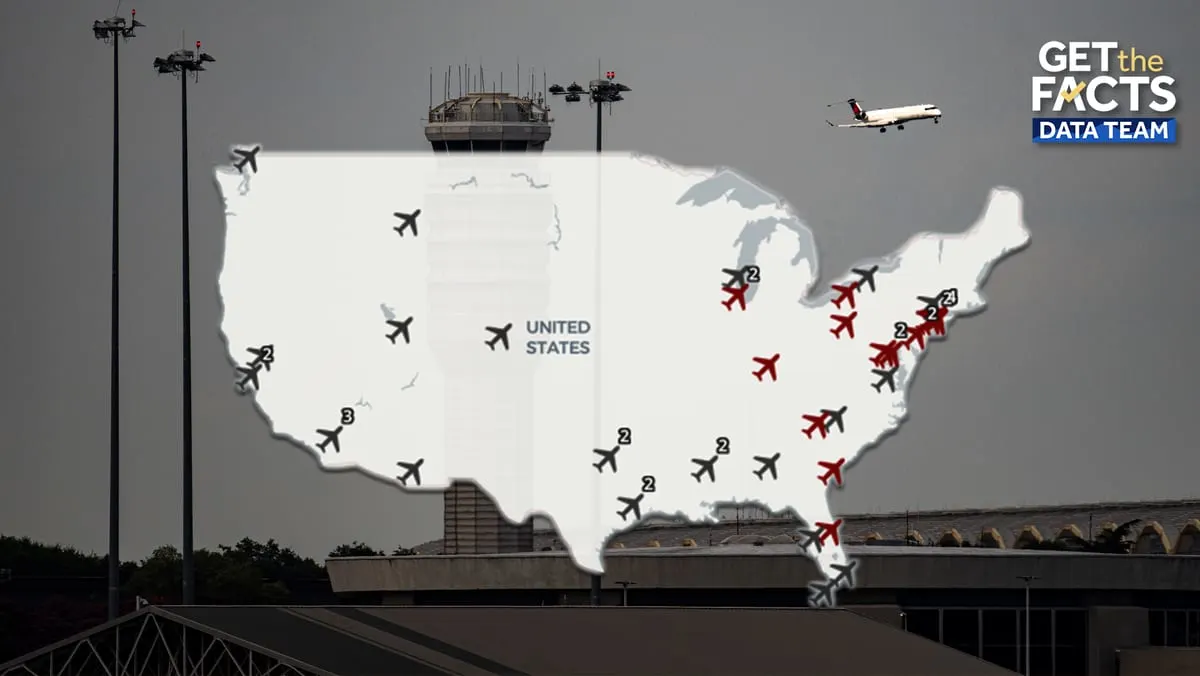
Approximately 6 near-miss incidents occur monthly at U.S. airports as 270 NTSB safety recommendations remain unaddressed by federal regulators.
NTSB Rejects FAA Safety Responses After 67-Fatality Crash
The NTSB labeled 11 FAA responses to 2025 DCA mid-air collision recommendations as unacceptable, citing the lack of a mandatory ADS-B In requirement.
EASA Orders Urgent Airbus A380 Wing Spar Inspections
The EASA ordered urgent inspections on 16 Airbus A380s after discovering wing spar cracks that could compromise structural integrity.
Ryanair Flight RK514 Diverts to Birmingham After Emergency
Ryanair flight RK514 diverted to Birmingham Airport on September 13, 2026, following a medical emergency involving a passenger.