ADF Records 147 Drone Breaches Across Military Bases

Co-Founder & CTOCo-Founder & CTO driving the technology and data systems behind Omni Flights.
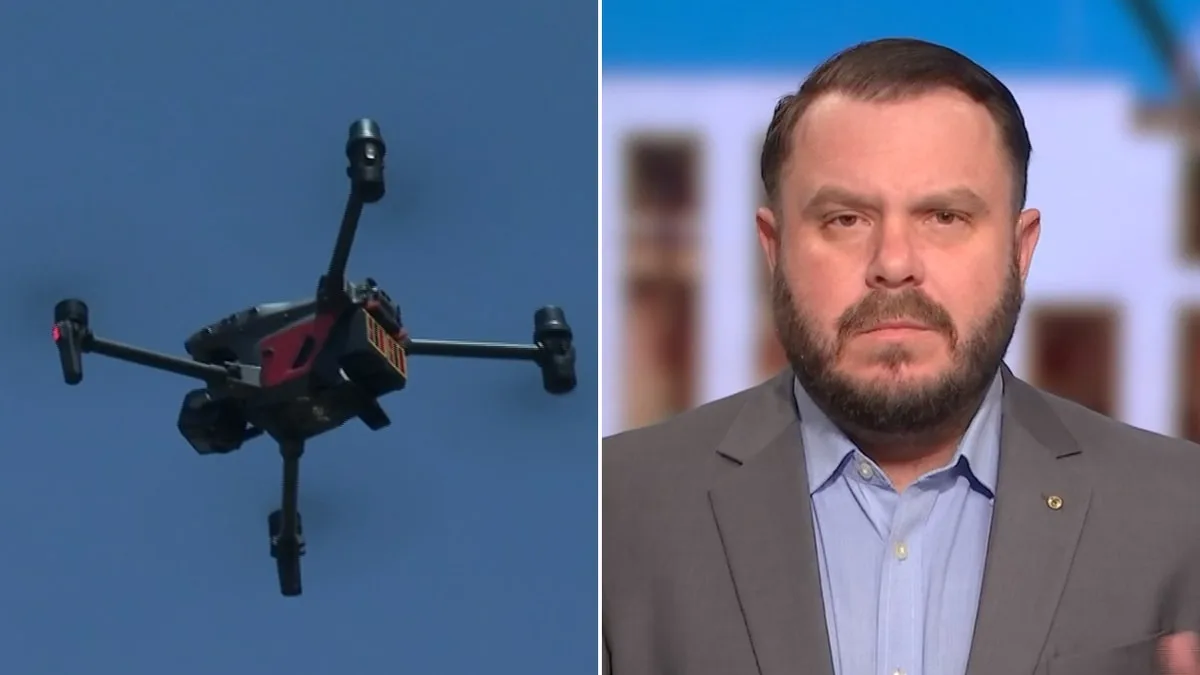
ADF recorded 147 drone breaches at military bases in one year, prompting a seven-billion-dollar counter-drone procurement push.
Key Takeaways
- •ADF recorded 147 drone breaches at military bases in the 2024/25 financial year.
- •Drone incursions surged nearly 600% over a two-year period at sensitive bases.
- •Australia is investing $7 billion over a decade in counter-drone capabilities.
- •Project LAND 156 will deploy site-specific detection systems starting in 2026.
The Australian Government is facing mounting pressure over ADF drone breaches after official data revealed 147 incursions at military facilities in a single financial year. This surge, which highlights vulnerabilities in Australian Defence Force security, was punctuated by a highly coordinated series of drone swarm incursions over RAAF Base Williamtown between July 11 and 13. To address these rising threats, the Department of Defence is accelerating its acquisition of counter-drone technology under Project LAND 156.
The rapid escalation of unauthorized uncrewed aerial systems (UAS) over restricted military airspace has introduced severe operational challenges. RAAF Base Williamtown, located near Newcastle, houses a significant portion of Australia’s F-35A Joint Strike Fighter fleet, making the facility a high-value target for foreign and domestic surveillance. The incursions have forced military personnel to adapt to heightened security protocols, with some personnel reportedly instructed to "close the blinds" to protect sensitive operational activities. This development has triggered urgent calls from defense analysts and political figures for the immediate deployment of active detection and mitigation systems.
Surging Incursions and Regulatory Responses
The scale of the threat is documented in official Department of Defence data. Incursions by unidentified drone operators have risen from 21 in the 2022/23 financial year to 60 in 2023/24, before peaking at 147 in the 2024/25 financial year. This represents a nearly 600% increase over a two-year period, reflecting a broader global trend of increased drone activity around sensitive military aviation infrastructure.
During an official Australian Prime Minister's press conference in Tomago, Prime Minister Anthony Albanese addressed the security risks, stating, "it is unsafe and dangerous to have drones around airspace. It makes no sense for that to occur." Albanese confirmed that the government is investing up to $7 billion in counter-drone capabilities over the next decade to address warfare and security challenges associated with uncrewed systems.
To establish a legal framework for addressing these incursions, the government enacted the Defence Amendment (Counter-UXS Measures) Regulations 2025. These updated regulations grant authorized Australian Defence Force (ADF) personnel the explicit legal authority to detect, interfere with, seize, or destroy uncrewed systems (UXS) operating near Defence sites, provided such actions are deemed safe and reasonable.
Stakeholder Impact and Operational Readiness
The surge in drone activity has created distinct pressures across multiple aviation and defense sectors. For ADF personnel, the incursions have resulted in heightened operational security protocols and potential exposure to unauthorized surveillance. Conversely, counter-UAS technology providers, such as Australian firm DroneShield, stand to benefit from accelerated procurement timelines and access to the government's $7 billion funding pipeline. However, civilian drone operators near military installations face increased scrutiny and the legal risk of having their equipment unilaterally disabled or seized under the 2025 regulations.
While the regulatory amendments provide the legal basis for intervention, some experts question the military's immediate operational readiness. Dr. Oleksandra Molloy, a drone warfare expert, has warned that despite recent regulatory changes granting the authority to destroy drones, the ADF may still lack operationally effective counter-drone systems at the immediate point of need across all its domestic installations.
Historical Precedents in Airspace Vulnerability
The current challenges facing the Royal Australian Air Force (RAAF) mirror international security incidents. In December 2023, the US military experienced repeated, coordinated drone swarm incursions over Langley Air Force Base. This event prompted a comprehensive Pentagon review of domestic counter-UAS authorities and defense capabilities, demonstrating that even highly advanced military facilities housing fifth-generation fighters are vulnerable to low-cost, commercial drone technology.
Similarly, the December 2018 Gatwick Airport drone incident in the United Kingdom highlighted how unidentified drone activity can severely disrupt critical aviation infrastructure, ultimately requiring military intervention and accelerating the deployment of counter-drone systems at civilian airports.
The Economics of Asymmetric Airfield Surveillance
This rapid escalation in drone incursions represents a shift toward asymmetric surveillance tactics, mirroring patterns observed in modern conflicts. Commercial off-the-shelf drones, including restricted systems from manufacturers like Da-Jiang Innovations (DJI)—which are banned from ADF bases due to data transmission concerns—allow operators to gather intelligence at a fraction of the cost of traditional espionage. To counter this, the Department of Defence is transitioning from ad-hoc equipment purchases to a formalized Capability as a Service (CaaS) framework. By establishing a 28-company Standing Offer Panel under Project LAND 156, the military aims to standardize and rapidly deploy counter-small UAS (C-sUAS) capabilities across approximately 150 domestic bases, shifting the cost curve back in favor of airfield defense.
Deployment Timelines and Investigation Milestones
The Department of Defence is executing a phased rollout of counter-drone systems under Project LAND 156 Line of Effort 3. The C-sUAS Services Standing Offer panel, established in January 2026, is expected to begin deploying site-specific hardware and software services across domestic military bases between 2026 and 2027. This initiative will streamline access to industry-led detection and mitigation technologies.
Concurrently, formal intelligence and law enforcement investigations into the origin and operators of the July 2026 RAAF Base Williamtown drone swarms are expected to conclude by late 2026. These findings will assist the ADF in refining its threat profiles and adjusting its domestic rules of engagement.
Why Airfield Security Safeguards Matter
Securing military airfields against unauthorized UAS activity is critical to protecting both advanced defense assets and personnel. As drone technology becomes more accessible and sophisticated, the ability to detect and neutralize aerial threats is no longer just a frontline combat requirement, but a fundamental necessity for domestic base security. For the aviation industry, establishing robust counter-drone protocols ensures that military and civilian airspaces remain secure against unauthorized surveillance and operational disruptions.
Frequently Asked Questions
- How many drone breaches occurred at Australian Defence Force bases?
- According to official Department of Defence data, drone incursions surged to 147 breaches in the 2024/25 financial year, up from 60 in 2023/24 and 21 in 2022/23.
- What is Project LAND 156?
- Project LAND 156 is an Australian Department of Defence procurement initiative designed to acquire and upgrade counter-small uncrewed aerial systems capabilities through a Capability as a Service model.
- What legal authority does the ADF have to disable unauthorized drones?
- The Defence Amendment (Counter-UXS Measures) Regulations 2025 grant authorized personnel the legal power to detect, interfere with, seize, or destroy uncrewed systems operating near domestic military sites.
Get breaking commercial aviation news and expert airline analysis at omniflights.com. For detailed airline coverage, route changes, and fleet moves, explore the Airlines section at omniflights.com/airlines.
Written by Shashank Shukla
Co-Founder & CTO leading the engineering and AI systems behind Omni Flights. Covers aviation technology, flight safety, aircraft manufacturing, and emerging aerospace developments.
Visit ProfileYou Might Also Like
Discover more aviation news based on similar topics

Families Demand DCA Midair Collision Safety Reforms
Families of 67 victims from the 2025 DCA midair collision are pressing Congress for mandatory ADS-B In technology to prevent future aviation tragedies.
FAS Challenges AAIB Over Boeing 787 Safety Data
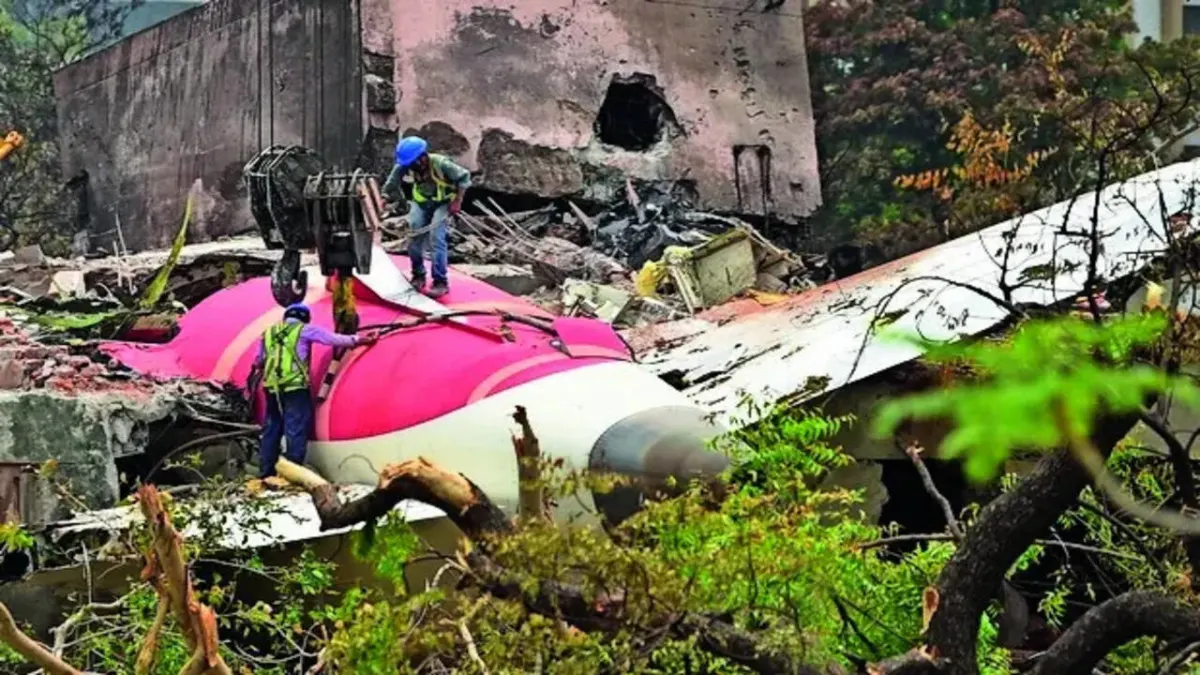
The Foundation for Aviation Safety is urging the AAIB to issue safety warnings for the Boeing 787 fleet following the fatal Air India 171 crash.
NTSB Safety Recommendations Lag Amid 6 Monthly Near-Misses
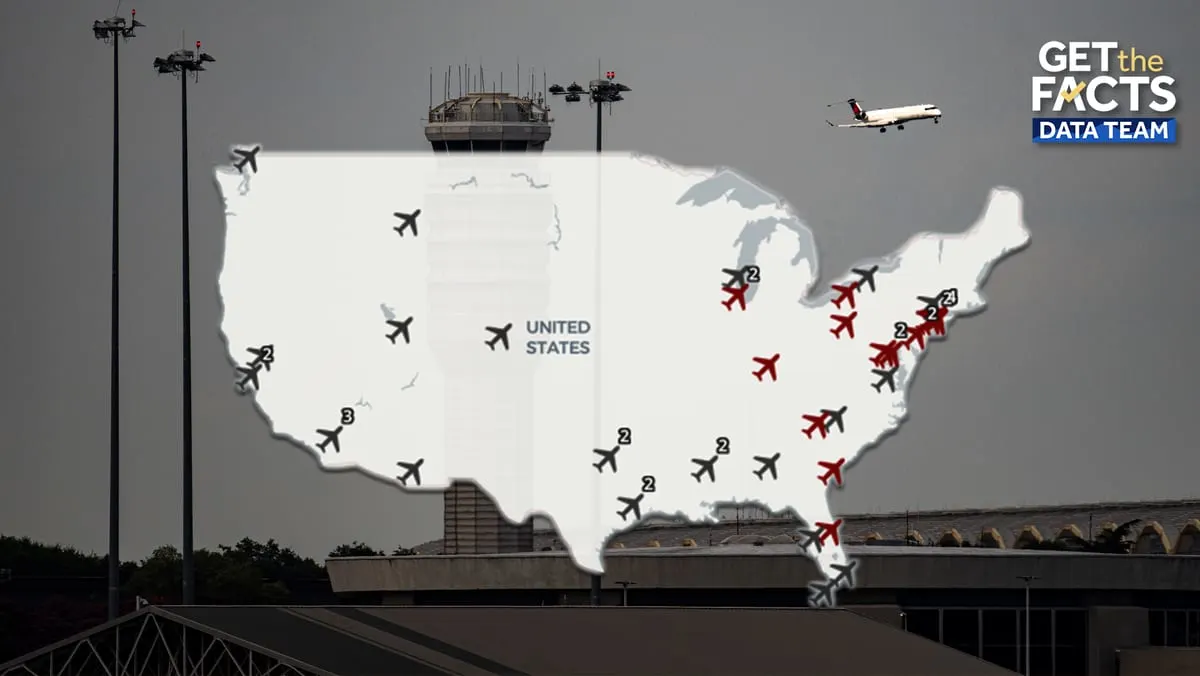
Approximately 6 near-miss incidents occur monthly at U.S. airports as 270 NTSB safety recommendations remain unaddressed by federal regulators.
NTSB Rejects FAA Safety Responses After 67-Fatality Crash
The NTSB labeled 11 FAA responses to 2025 DCA mid-air collision recommendations as unacceptable, citing the lack of a mandatory ADS-B In requirement.
EASA Orders Urgent Airbus A380 Wing Spar Inspections
The EASA ordered urgent inspections on 16 Airbus A380s after discovering wing spar cracks that could compromise structural integrity.
Ryanair Flight RK514 Diverts to Birmingham After Emergency
Ryanair flight RK514 diverted to Birmingham Airport on September 13, 2026, following a medical emergency involving a passenger.