5th Lawsuit Filed After 21 Air Flight 7598 Crash at MIA

Co-Founder & CTOCo-Founder & CTO driving the technology and data systems behind Omni Flights.

A fifth lawsuit has been filed following the 21 Air Flight 7598 crash at MIA that killed five ground workers and injured two others.
Key Takeaways
- •5th lawsuit filed following the 21 Air Flight 7598 crash at MIA.
- •NTSB CVR data shows pilots failed to address excessive speed warnings.
- •Crash killed five ground workers and injured two others in a van.
- •Investigation into Amazon Prime Air contractor oversight remains ongoing.
Litigation Following the MIA Runway Excursion
A fifth lawsuit has been filed in connection to the fatal Amazon cargo plane crash near Miami International Airport (MIA), as recovery teams begin the process of dismantling the wreckage. The legal action, filed by the Podhurst Orseck law firm on behalf of 27-year-old survivor Sebastian Perdomo Torres, highlights the mounting civil liability facing the operators of 21 Air Flight 7598. This Boeing 767-300 accident occurred on September 6, 2026, when the aircraft overran Runway 30, striking a van occupied by seven cleaning crew members. Five individuals in the vehicle were killed, while two, including Perdomo Torres, sustained critical injuries.
NTSB Investigation and Cockpit Dynamics
The National Transportation Safety Board (NTSB) has initiated a formal probe under Title 49 CFR Part 831 to determine the probable cause of the runway excursion. The NTSB investigation into the runway overrun of 21 Air Flight 7598 unveiled new details after interviewing the pilots, Capt. Joseph Carroll, 55, and First Officer Jaime Felipe Silva Molina, 37. Preliminary data from the Cockpit Voice Recorder (CVR) indicates that approximately one minute before touchdown, a pilot requested flaps to be set to 20 degrees. The other pilot cautioned that the aircraft was flying too fast, noting excessive speed throughout the remainder of the recording. NTSB Chair Jennifer Homendy stated that the cockpit workload was high and that there was a lack of consistent verbal response to the speed warnings, necessitating further interviews.
Industry Implications and Corporate Scrutiny
The crash has reignited industry debates regarding the oversight of contracted cargo operations. Major logistics firms like Amazon Prime Air frequently utilize third-party carriers to operate converted passenger aircraft, leading to increased scrutiny on pilot training standards and crew resource management. Legal representatives for the victims, including Mark Lopez-Trigo of the Padron & Lopez-Trigo Law Firm, have emphasized that the litigation seeks not only financial compensation but also accountability regarding why the accident occurred. Plaintiffs, including the family of 75-year-old Julio C. Pineda, allege that systemic negligence in supervising and vetting flight operations contributed to the preventable tragedy.
Historical Context and Safety Trends
Runway excursions remain a significant safety concern globally, often linked to unstabilized approaches and excessive landing speeds. This event draws comparisons to the 2005 Southwest Airlines Flight 1248 incident at Chicago Midway, where a Boeing 737 overran a runway and struck a vehicle, resulting in a fatality. Furthermore, the 2019 Atlas Air Flight 3591 crash similarly involved a Boeing 767 cargo aircraft operated for Amazon, where the NTSB cited pilot error and spatial disorientation as primary factors. These precedents underscore the recurring challenges in maintaining rigorous safety protocols within the contracted cargo sector.
Technical Analysis: The Unstabilized Approach
The data suggests that the flight crew experienced a breakdown in standard operating procedures during the final approach phase. The Flight Data Recorder (FDR) evidence of excessive speed, combined with the CVR confirmation of ignored warnings, points toward an unstabilized approach that failed to trigger a go-around maneuver. Historically, such incidents indicate a failure in crew resource management where the monitor pilot fails to intervene when the flying pilot deviates from speed or glide path parameters. This trajectory follows a pattern of previous runway overrun accidents where high-energy landings overwhelmed airport safety area limits, highlighting the critical importance of strict adherence to stable approach criteria in heavy cargo operations.
What Comes Next: Wreckage Removal and Reporting
Recovery crews began dismantling the Boeing 767-300 wreckage on September 11, 2026, though MIA officials have not confirmed a completion date for clearing the site. The NTSB is expected to publish a preliminary report between late September and October 2026, which will provide a more comprehensive timeline of the events leading to the overrun. Following the report, the NTSB will continue its investigation into the training history of the 21 Air flight crew and the operational oversight provided by the contracted carrier.
Why This Matters to Aviation Stakeholders
For the logistics and cargo industry, this incident signals a potential shift in how major retailers vet their third-party air carriers. The high severity of the stakeholder impact—resulting in five fatalities and multiple ongoing wrongful death lawsuits—has placed immense pressure on both 21 Air and Amazon to justify their safety management systems. For regulators, the findings will likely influence future mandates regarding runway safety areas and the oversight of contracted flight operations.
Frequently Asked Questions
- What happened during the 21 Air Flight 7598 approach at MIA?
- According to the NTSB, the Boeing 767-300 was flying at an excessive speed during the final approach. CVR data indicates that one pilot requested 20-degree flaps while the other warned of excessive speed, with no consistent verbal response to these concerns before the aircraft overran the runway.
- What is the status of the legal actions regarding the MIA cargo crash?
- As of September 11, 2026, five lawsuits have been filed against the operators and contractors involved in the flight. These include wrongful death and personal injury suits brought by the families of the deceased and the surviving members of the cleaning crew.
Visit omniflights.com for the latest commercial aviation news and airline industry updates. Discover how innovation is shaping aviation through aircraft systems, avionics, and digital tools at omniflights.com/technology.
Written by Shashank Shukla
Co-Founder & CTO leading the engineering and AI systems behind Omni Flights. Covers aviation technology, flight safety, aircraft manufacturing, and emerging aerospace developments.
Visit ProfileYou Might Also Like
Discover more aviation news based on similar topics
Ryanair Flight RK514 Diverts to Birmingham After Emergency
Ryanair flight RK514 diverted to Birmingham Airport on September 13, 2026, following a medical emergency involving a passenger.

Amazon Suspends 21 Air After Fatal Miami 767 Runway Overrun
Amazon has suspended operations with 21 Air following a fatal Boeing 767 runway overrun at Miami International Airport that resulted in five deaths.
FAA Proposes A220 Fuel Line Inspections for US Operators
The FAA issued a proposed directive requiring inspection of motive-flow fuel lines on 13 US-registered Airbus A220s to prevent potential leaks.
NATS Denies Military Jet Role in UK ATC Outage
The UK Ministry of Defence denied its aircraft caused a NATS outage that led to over 2,000 flight cancellations and calls for CEO resignation.
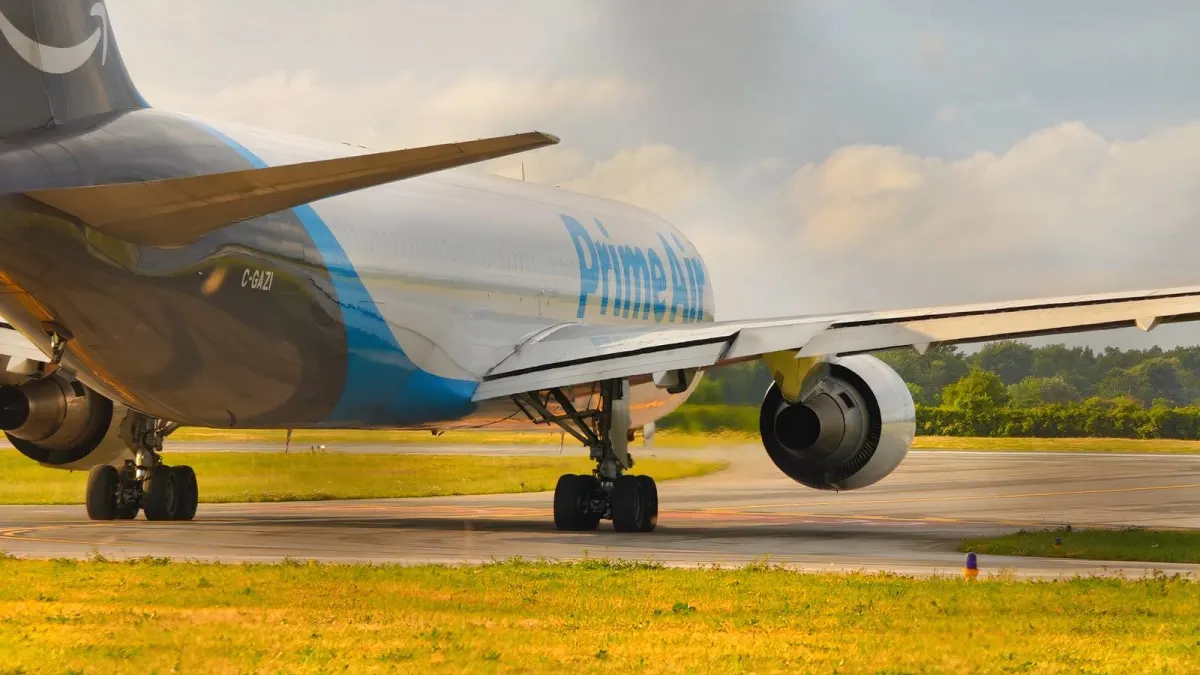
21 Air Miami Crash: NTSB Investigates 767 Runway Overrun
A fatal 21 Air Boeing 767 crash at Miami International Airport has triggered an NTSB investigation amid scrutiny of Amazon Air's contract oversight.

Amazon Cargo Plane Crash: 5 Remembered After MIA Excursion
Five cleaning crew members died after an Amazon-contracted Boeing 767 overran the runway at Miami International Airport at 158 knots.