21 Air Flight 7598: NTSB Details Warnings Before Crash

Co-Founder & CTOCo-Founder & CTO driving the technology and data systems behind Omni Flights.
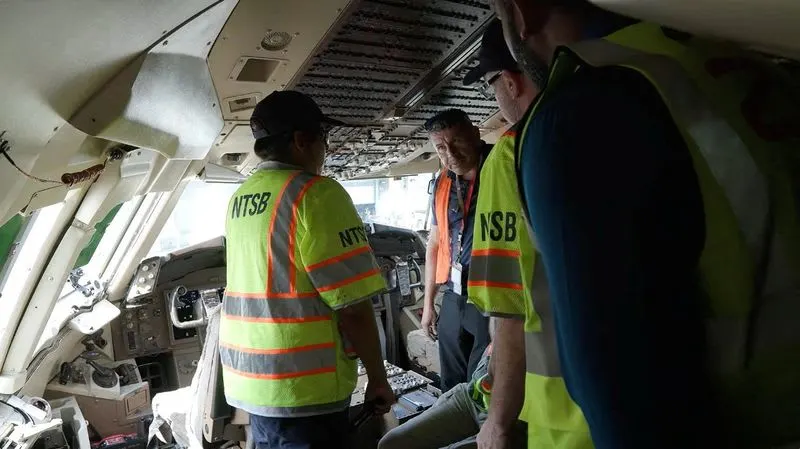
The NTSB confirmed that pilots of a 21 Air Boeing 767 ignored multiple automated warnings before a fatal runway overrun in Miami.
Key Takeaways
- •21 Air Flight 7598 overran the runway by 1,300 feet in Miami.
- •Pilots ignored multiple automated warnings and excessive speed alerts.
- •The crash resulted in five fatalities and five injuries on the ground.
- •NTSB investigation focuses on a breakdown in Crew Resource Management.
Cockpit Warnings and Crew Response
The National Transportation Safety Board (NTSB) released an investigative update on September 9, 2026, regarding the crash of 21 Air Flight 7598, a Boeing 767-300 freighter operating for Amazon Prime Air. The aircraft, which was 32 years old, overran the runway at Miami International Airport (MIA) by approximately 1,300 feet (396 m) on September 6, 2026. The incident resulted in five fatalities and five injuries on the ground. According to the Cockpit Voice Recorder (CVR) data, one pilot explicitly cautioned that the aircraft was flying "too fast" more than a minute before touchdown. Despite this warning and multiple automated alerts, the other pilot provided no clear verbal response.
Unstable Approach Dynamics
Data from the Flight Data Recorder (FDR) and CVR confirm the approach was unstable. Prior to touchdown, the aircraft descended 400 feet in four seconds, triggering two "sink rate" warnings. This was followed by five "too low terrain" alerts. Although one pilot eventually called for an aborted landing 15 seconds after touchdown, the attempt was unsuccessful. At that moment, the aircraft was still traveling at 120 knots (138 mph). The NTSB noted that the throttles were increased for a go-around but were reduced to idle power four seconds later, coinciding with the aircraft departing the paved runway surface. There is no evidence that speed brakes or thrust reversers were deployed to assist in deceleration.
Crew Resource Management and Safety Culture
The incident highlights a significant breakdown in Crew Resource Management (CRM). Aerospace safety consultant Anthony Brickhouse noted that the crew received multiple cues indicating an unstable approach but failed to execute a go-around. Investigators are now scrutinizing the crew's decision-making process and potential systemic issues within 21 Air. The captain, 55, had 7,145 hours of flight time and received his 767 type rating in May 2026. The 37-year-old first officer had 2,655 total flight hours and received his 767 type rating in April 2025. Beyond the flight crew, former 21 Air employees have alleged a history of safety concerns and retaliatory practices, suggesting that the NTSB's investigation may extend to the carrier's broader safety culture.
Historical Context of Cargo Operations
This event mirrors previous cargo aviation accidents where unstable approaches resulted in fatal outcomes. In February 2019, Atlas Air Flight 3591, also a Boeing 767 operating for Amazon, crashed due to pilot error and a breakdown in CRM. Similarly, the 2013 crash of UPS Airlines Flight 1354 underscored the fatal risks associated with failing to monitor altitude and approach stability. These historical precedents suggest that the NTSB will likely focus on whether current training protocols for cargo operators are sufficient to prevent recurring CRM failures.
The Path to Probable Cause
The NTSB is expected to release a preliminary report on the accident in late September or October 2026. A final report determining the probable cause of the crash is not expected until 2027 or 2028. For 21 Air, the investigation poses high-severity risks, including potential operational restrictions or grounding. For Amazon Prime Air, the crash raises concerns regarding reputational damage and the safety oversight of its contracted carriers. Additionally, Miami International Airport officials are reviewing perimeter road protocols to prevent future ground-based casualties during runway excursions.
Frequently Asked Questions
- What caused the 21 Air Flight 7598 runway overrun in Miami?
- While the official probable cause is still under investigation, the NTSB reported that the flight crew received multiple automated warnings and one pilot warned of excessive speed, yet they failed to execute a go-around during an unstable approach.
- What is the significance of Crew Resource Management in this investigation?
- Crew Resource Management is a critical focus because the cockpit voice recording indicates a breakdown in communication, where the pilots failed to coordinate effectively despite multiple cues that the approach was unstable.
omniflights.com provides comprehensive commercial aviation news covering airlines, aircraft, and airports. For reporting on UAP sightings, investigations, and aviation-related encounters, see the UAPs section at omniflights.com/uaps.
Written by Shashank Shukla
Co-Founder & CTO leading the engineering and AI systems behind Omni Flights. Covers aviation technology, flight safety, aircraft manufacturing, and emerging aerospace developments.
Visit ProfileYou Might Also Like
Discover more aviation news based on similar topics
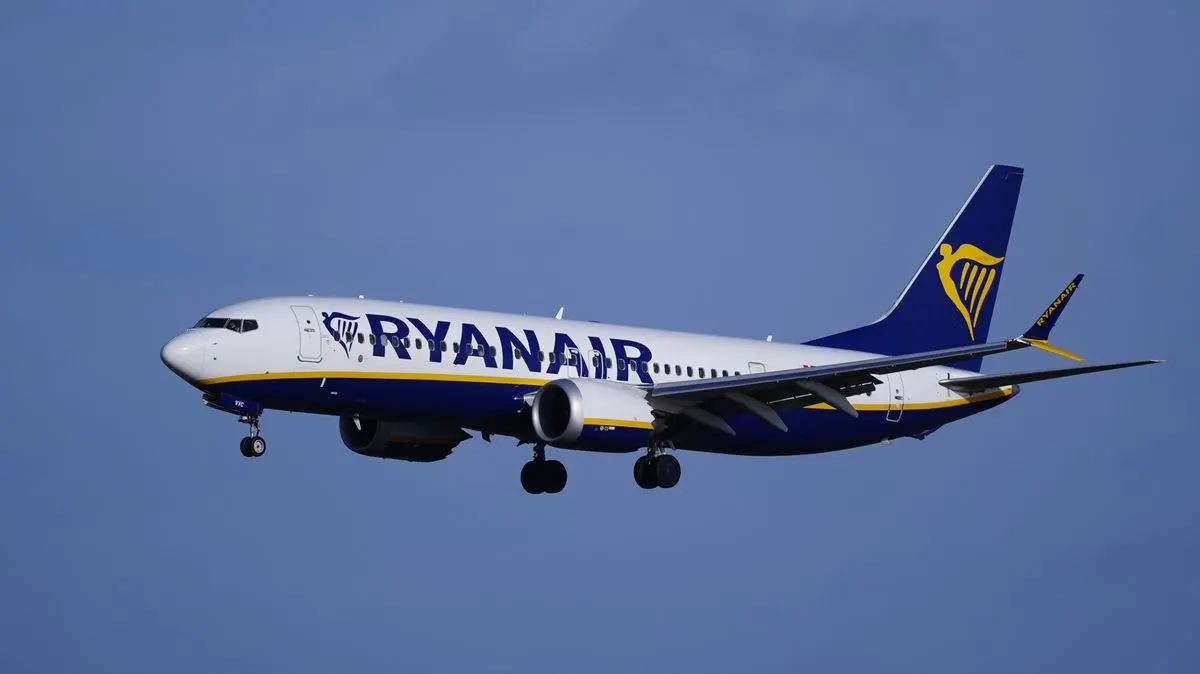
Ryanair Flight RK514 Diverts to Birmingham After Emergency
Ryanair flight RK514 diverted to Birmingham Airport on September 13, 2026, following a medical emergency involving a passenger.

Amazon Suspends 21 Air After Fatal Miami 767 Runway Overrun
Amazon has suspended operations with 21 Air following a fatal Boeing 767 runway overrun at Miami International Airport that resulted in five deaths.
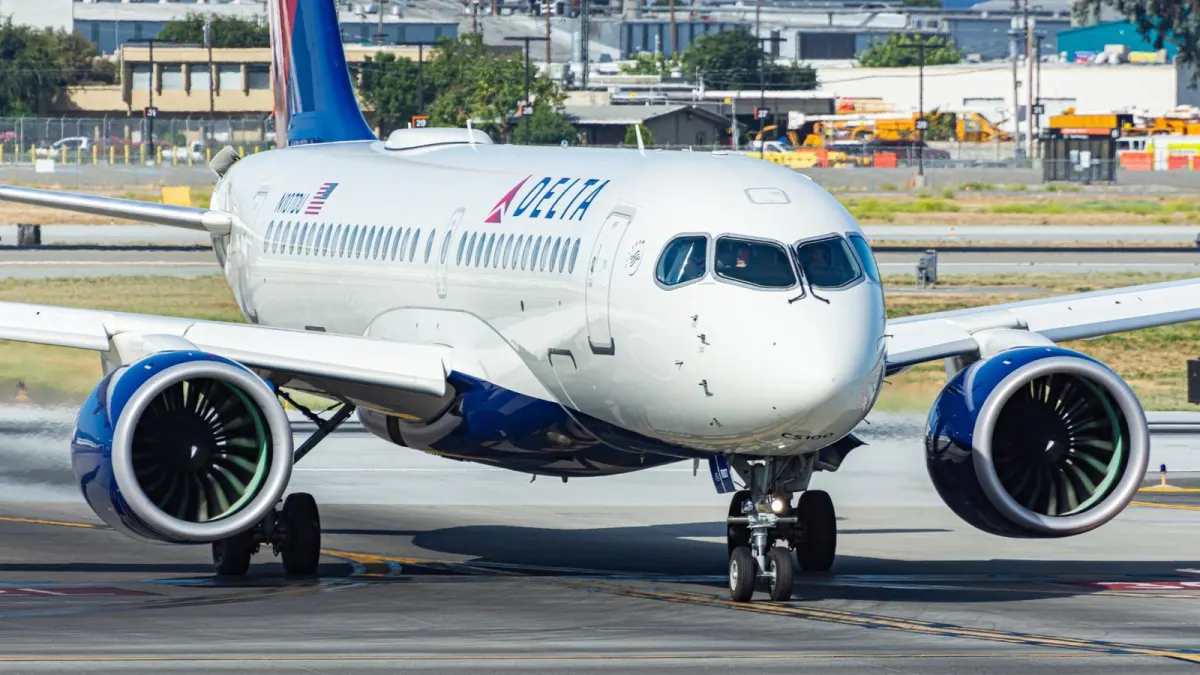
FAA Proposes A220 Fuel Line Inspections for US Operators
The FAA issued a proposed directive requiring inspection of motive-flow fuel lines on 13 US-registered Airbus A220s to prevent potential leaks.
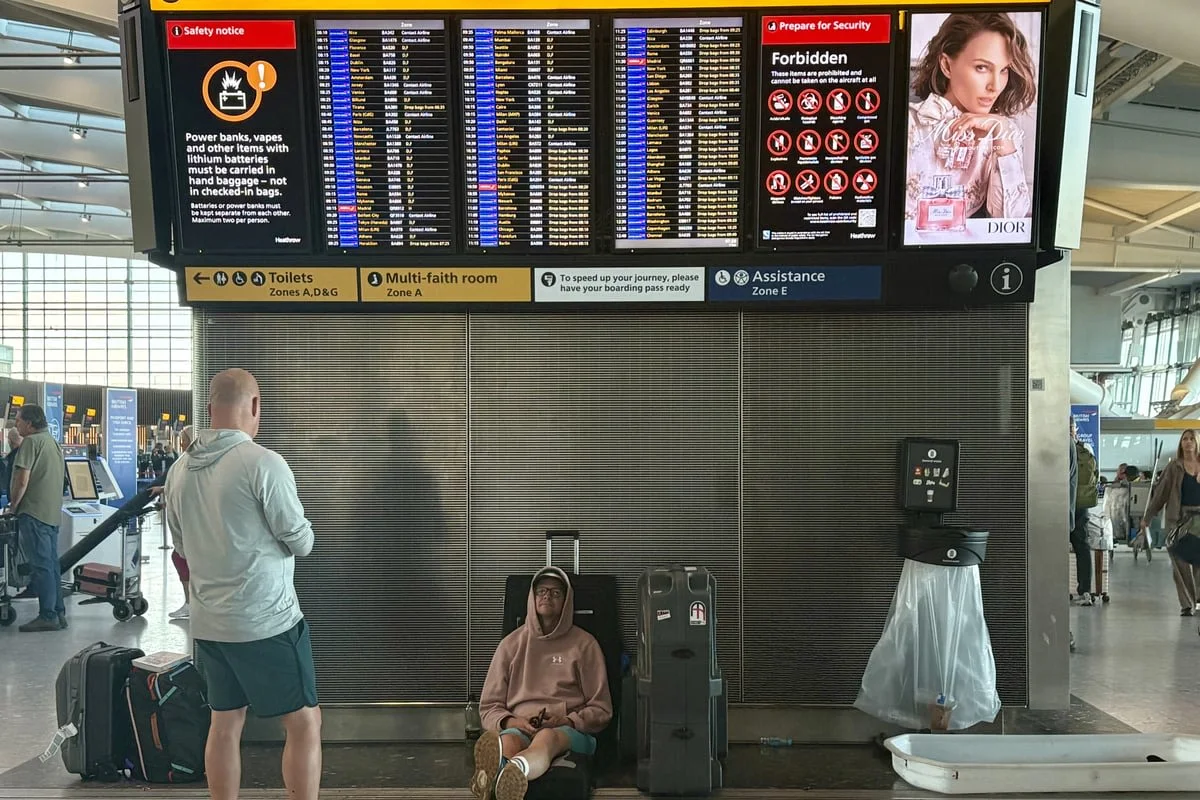
NATS Denies Military Jet Role in UK ATC Outage
The UK Ministry of Defence denied its aircraft caused a NATS outage that led to over 2,000 flight cancellations and calls for CEO resignation.
21 Air Miami Crash: NTSB Investigates 767 Runway Overrun
A fatal 21 Air Boeing 767 crash at Miami International Airport has triggered an NTSB investigation amid scrutiny of Amazon Air's contract oversight.

Amazon Cargo Plane Crash: 5 Remembered After MIA Excursion
Five cleaning crew members died after an Amazon-contracted Boeing 767 overran the runway at Miami International Airport at 158 knots.