21 Air Flight 7598: NTSB Details Miami Runway Overrun

Co-Founder & CTOCo-Founder & CTO driving the technology and data systems behind Omni Flights.
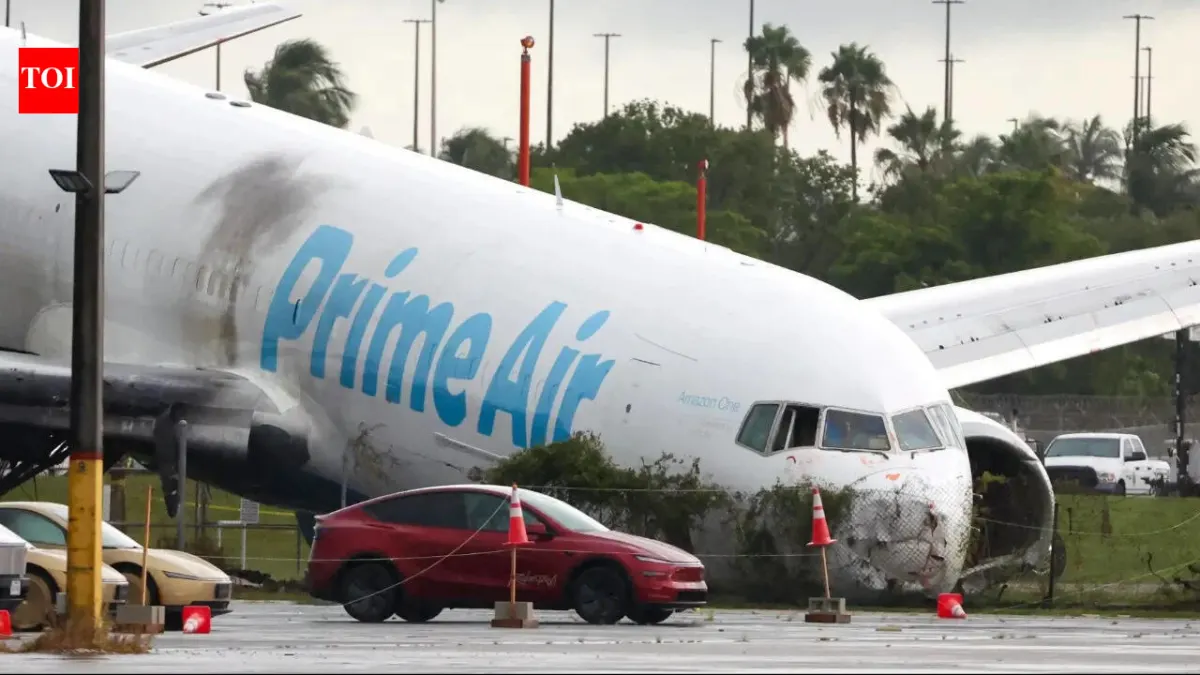
The NTSB reports that a 21 Air Boeing 767 freighter touched down at 158 knots before overrunning the runway at Miami International Airport.
Key Takeaways
- •21 Air Flight 7598 overran MIA runway at 158 knots.
- •NTSB confirms no speed brakes or thrust reversers were deployed.
- •Accident resulted in 5 fatalities on the ground.
- •Incident sparks debate over EMAS installation at MIA.
Incident Overview and Initial Findings
The National Transportation Safety Board (NTSB) has released preliminary findings regarding the 21 Air Flight 7598 incident, a Boeing 767 freighter crash that occurred on September 6, 2026, at Miami International Airport (MIA). The aircraft, a 32-year-old converted freighter operating for Amazon Air, suffered a catastrophic Miami runway overrun while attempting to land on Runway 30. According to the NTSB investigative update, flight data shows the aircraft touched down at an excessive speed of 158 knots, approximately 293 km/h, significantly higher than the typical reference speed for the widebody aircraft. The incident resulted in five fatalities on the ground after the aircraft breached the airport perimeter and struck vehicles on a public roadway.
Technical Analysis of the Landing Sequence
The investigation into the NTSB preliminary report highlights critical failures in the landing sequence. Data from the Flight Data Recorder (FDR) indicates that the aircraft’s nose and right main landing gear made contact with the runway at 158 knots. Investigators confirmed there was no indication that speed brakes or thrust reversers were deployed during the rollout. Furthermore, the crew attempted an aborted go-around after the initial touchdown, advancing throttles while traveling at 120 knots, but the aircraft was unable to regain sufficient lift or stop before exiting the runway surface. The lack of deceleration device deployment remains a focal point for the NTSB's technical team as they examine the Cockpit Voice Recorder (CVR) data to understand the crew's decision-making process during the final approach.
Runway Safety and Infrastructure Scrutiny
The crash has reignited intense debate regarding the Engineered Material Arresting System (EMAS) at major airports. MIA currently utilizes a standard 1,000-foot grass Runway Safety Area (RSA) rather than an EMAS bed, which is designed to crush under the weight of an overrunning aircraft to bring it to a controlled stop. Industry safety experts have noted that EMAS has successfully prevented fatalities in nearly 500 similar runway excursion incidents historically. The breach of the airport perimeter by the 767 has prompted local officials and aviation stakeholders to reconsider the necessity of upgrading runway end safety buffers to meet modern safety standards.
Operational Oversight and Industry Implications
The incident has brought significant scrutiny to the oversight of contracted cargo operations. As an Amazon Prime Air accident, the event has raised questions about the safety culture and maintenance practices of outsourced logistics providers. According to former employees, there have been allegations that the carrier discouraged safety reporting and deferred critical maintenance, though these claims remain subject to ongoing investigation. The incident mirrors the 2019 crash of Atlas Air Flight 3591, which also involved a 767 freighter and led to widespread FAA recommendations regarding pilot hiring and training standards.
What Comes Next for the Investigation
The NTSB is currently continuing its analysis of the flight recorders and maintenance logs. The public investigation docket is expected to open in late 2026, with a comprehensive transcript of the cockpit voice recordings to follow. The final accident report, which will determine the probable cause, is not expected until late 2027 or 2028. These findings will be critical in shaping potential new safety directives for Part 121 cargo carriers and airport infrastructure requirements.
Why This Matters for Cargo Operations
This tragedy highlights the severe consequences of unstable approaches and the risks associated with the rapid growth of e-commerce logistics. For the aviation industry, the incident serves as a stark reminder of the need for robust safety management systems, particularly in contracted operations where oversight can be fragmented. For passengers and local residents, the breach of airport boundaries underscores the vital importance of runway safety buffers in preventing catastrophic off-airport incursions.
Frequently Asked Questions
- What was the touchdown speed of the 21 Air Boeing 767 in Miami?
- The aircraft touched down at 158 knots, or approximately 293 km/h, which is significantly higher than the typical landing speed for a Boeing 767 freighter.
- Why is the lack of an Engineered Material Arresting System at MIA being discussed?
- The aircraft breached the airport perimeter, leading to five fatalities on the ground. Experts argue that an EMAS bed could have safely arrested the aircraft within the runway safety area, preventing the overrun into public roadways.
Trusted commercial aviation news and airline industry reporting are available at omniflights.com. For reporting on UAP sightings, investigations, and aviation-related encounters, see the UAPs section at omniflights.com/uaps.
Written by Shashank Shukla
Co-Founder & CTO leading the engineering and AI systems behind Omni Flights. Covers aviation technology, flight safety, aircraft manufacturing, and emerging aerospace developments.
Visit ProfileYou Might Also Like
Discover more aviation news based on similar topics
Ryanair Flight RK514 Diverts to Birmingham After Emergency
Ryanair flight RK514 diverted to Birmingham Airport on September 13, 2026, following a medical emergency involving a passenger.

Amazon Suspends 21 Air After Fatal Miami 767 Runway Overrun
Amazon has suspended operations with 21 Air following a fatal Boeing 767 runway overrun at Miami International Airport that resulted in five deaths.
FAA Proposes A220 Fuel Line Inspections for US Operators
The FAA issued a proposed directive requiring inspection of motive-flow fuel lines on 13 US-registered Airbus A220s to prevent potential leaks.
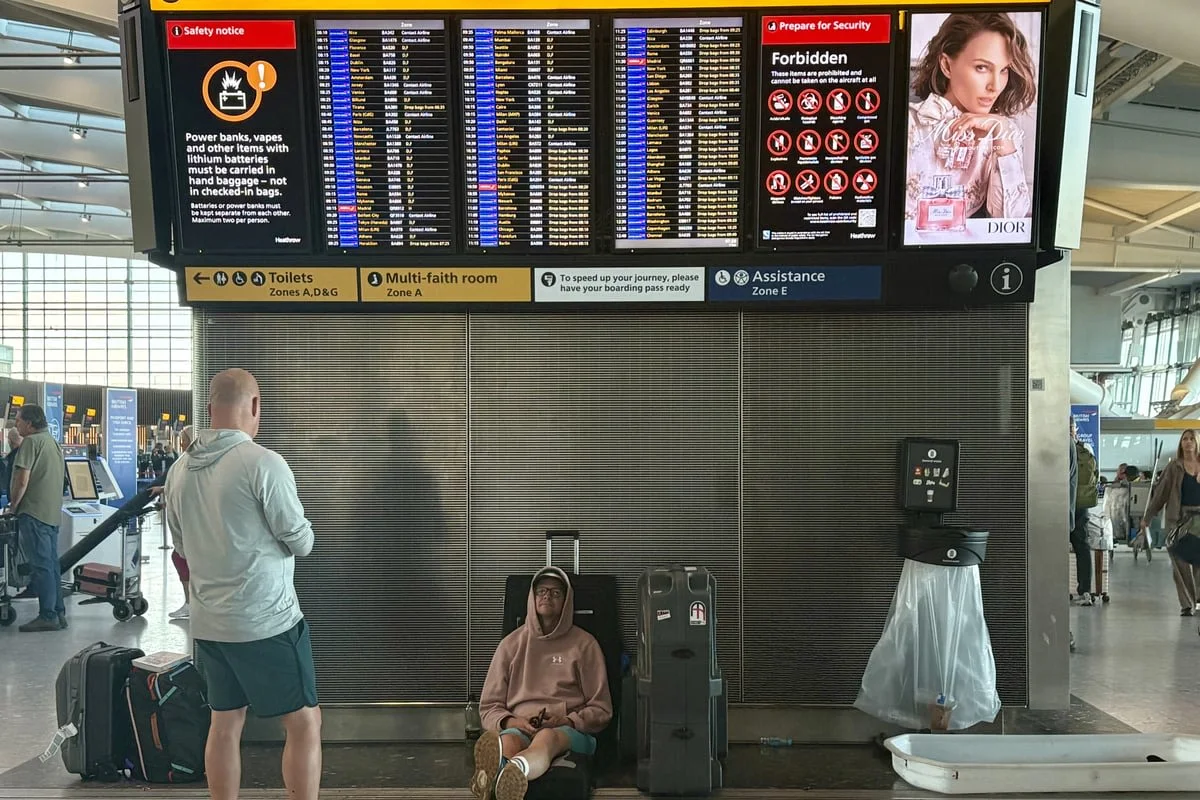
NATS Denies Military Jet Role in UK ATC Outage
The UK Ministry of Defence denied its aircraft caused a NATS outage that led to over 2,000 flight cancellations and calls for CEO resignation.

21 Air Miami Crash: NTSB Investigates 767 Runway Overrun
A fatal 21 Air Boeing 767 crash at Miami International Airport has triggered an NTSB investigation amid scrutiny of Amazon Air's contract oversight.

Amazon Cargo Plane Crash: 5 Remembered After MIA Excursion
Five cleaning crew members died after an Amazon-contracted Boeing 767 overran the runway at Miami International Airport at 158 knots.