Zipline Secures $200M to Expand U.S. Drone Delivery Network in 2026

Co-Founder & CEOAviation News Editor delivering trusted coverage across the global aviation industry.
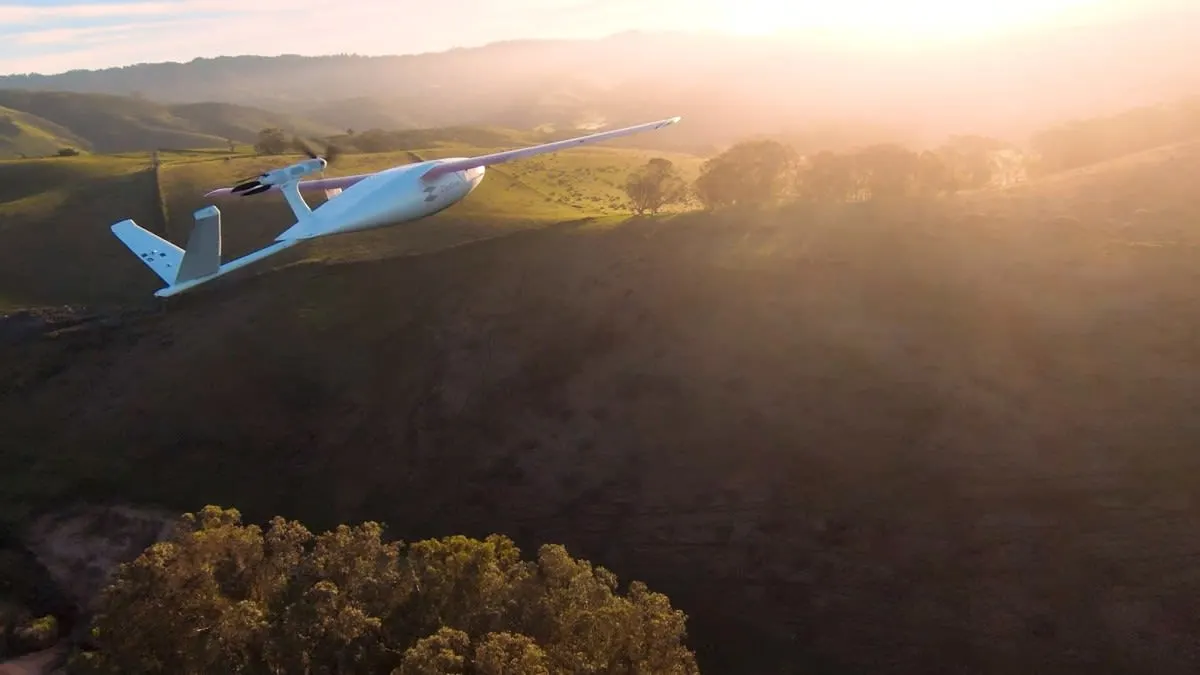
Zipline raised an additional $200 million to expand its autonomous drone delivery network in Houston, Phoenix, and Seattle throughout 2026.
Key Takeaways
- •Secured an additional $200 million, bringing its Series H funding to $800 million.
- •Expanding U.S. drone delivery operations to Houston, Phoenix, and Seattle in 2026.
- •Leverages a dual-platform strategy with P1 long-range and P2 tethered-delivery drones.
- •Operates under Federal Aviation Administration Part 135 and Beyond Visual Line of Sight (BVLOS) certifications.
Autonomous logistics firm Zipline has secured an additional $200 million in funding, an extension that brings its total Series H round to $800 million. The investment, which maintains the company's valuation at $7.6 billion, will fuel a significant expansion of its commercial Unmanned Aircraft System (UAS) delivery services across the United States in 2026. This development signals growing investor confidence in the scalability of drone logistics, supported by a robust regulatory framework.
The capital infusion is intended to accelerate the deployment of Zipline's dual-platform model and support new operational hubs. According to Zipline CEO Keller Rinaudo Cliffton, the accelerated funding was a response to rapid progress, stating, "Things have moved a little faster than we expected." The company is transitioning from its established role in medical supply delivery to broader consumer and retail logistics, a move underscored by partnerships with major brands like Walmart and Sweetgreen. This expansion relies heavily on the company's Federal Aviation Administration (FAA) Part 135 air carrier certificate, which permits commercial drone deliveries.
Operational Scale and Technology
Zipline's operational tempo has increased substantially, with the company surpassing 2 million commercial deliveries as of January 2026. Zipline's press release from that month noted that U.S. delivery volumes grew by approximately 15% week-over-week for the preceding seven months. This growth is facilitated by a two-pronged aircraft strategy designed to serve different logistical needs.
Zipline's Platform 1 (P1) is a fixed-wing Unmanned Aircraft System (UAS) designed for long-range missions, while Platform 2 (P2) is engineered for precise, quiet deliveries in dense residential areas. The P2 drone hovers at 300 feet and lowers packages using a tethered droid, a method that avoids the noise and downwash associated with low-altitude quadcopter landings.
Zipline Platform 1 vs. Platform 2
| Metric | Platform 1 | Platform 2 |
|---|---|---|
| Range | Up to 120 miles round-trip | 10-mile radius |
| Payload | Medical/Enterprise focus | Up to 8 lbs |
| Delivery Method | Parachute drop | Tethered droid hover at 300 ft |
Regulatory and Industry Context
The company's ability to scale in the U.S. is directly tied to key regulatory approvals from the FAA. Zipline holds an FAA Part 135 Air Carrier Certification, which is the standard required for operators to carry property for compensation. This certification places Zipline in a small group of companies authorized for on-demand commercial drone delivery.
Crucially, Zipline has also secured authorization for flights Beyond Visual Line of Sight (BVLOS). This FAA approval, developed through initiatives like the BEYOND Program, allows Zipline to operate its UAS without requiring pilots or visual observers to physically see the aircraft. BVLOS operations are fundamental to creating an economically viable and scalable autonomous logistics network that can cover large service areas efficiently.
The regulatory path for companies like Zipline was paved by earlier efforts. In September 2019, UPS Flight Forward's Part 135 certification established the initial framework for commercial drone deliveries, primarily in the medical sector. Amazon Prime Air followed in August 2020, advancing regulations for heavier drones. These precedents created the operational and safety standards that now govern the burgeoning U.S. drone delivery market.
However, the expansion of low-altitude commercial flights is not without challenges. According to local community advocacy groups, the rapid scaling of drone traffic over residential areas raises concerns about noise pollution and privacy. Furthermore, legacy logistics carriers maintain that ground-based vehicles remain essential for bulk deliveries and operations during severe weather conditions that can ground UAS fleets.
What Comes Next
Zipline has confirmed a clear expansion roadmap for 2026, funded by the new capital. The company plans to launch commercial drone delivery operations in Houston and Phoenix in early 2026, with a subsequent launch in Seattle planned for later in the year. Concurrently, Zipline is set to begin a national-scale expansion of its Platform 2 home delivery service in Rwanda, where the company first proved its model with medical deliveries.
This expansion represents a critical test of the company's ability to integrate its services into the complex logistics ecosystems of major U.S. metropolitan areas. The success of these launches will be a key indicator of the broader commercial viability of autonomous last-mile delivery.
Why This Matters
This funding round is significant beyond Zipline itself, as it represents a major validation of the autonomous logistics sector. It demonstrates that, with the necessary regulatory approvals like Part 135 and BVLOS, drone delivery is maturing from a niche application into a scalable commercial service. For the aviation and logistics industries, Zipline's expansion signals the emergence of a new, competitive mode of transport for last-mile delivery that promises speed, efficiency, and lower emissions.
From airline operations to fleet updates, commercial aviation news lives at omniflights.com. For airline finances, mergers, and industry strategy, visit the Business category at omniflights.com/business.
Written by Hardik Vishwakarma
Co-Founder & Aviation News Editor leading initiatives that improve trust and visibility across the global aviation industry. Covers airlines, airports, safety, and emerging technology.
Visit ProfileYou Might Also Like
Discover more aviation news based on similar topics

Trump Orders Release of 161 Declassified UAP Files
The Trump administration released 161 declassified UAP files via its new PURSUE portal, a move praised for transparency but criticized as a political ploy.

DOE Agent Death Sparks UAP Whistleblower Questions
The 2021 death of a DOE special agent is under new scrutiny following claims he planned to expose secret government UAP programs before he died.
Researcher Claims 4 Alien Species Recovered; Pentagon Denies
Physicist Hal Puthoff alleges the US recovered 4 alien species, sparking debate amid official Pentagon denials from its AARO UAP report.

Declassified FBI Files Detail Nazi Saucer Claims
The DoD has declassified 162 historical UAP files, which include unverified informant claims about Nazi flying saucers, under its PURSUE transparency plan.
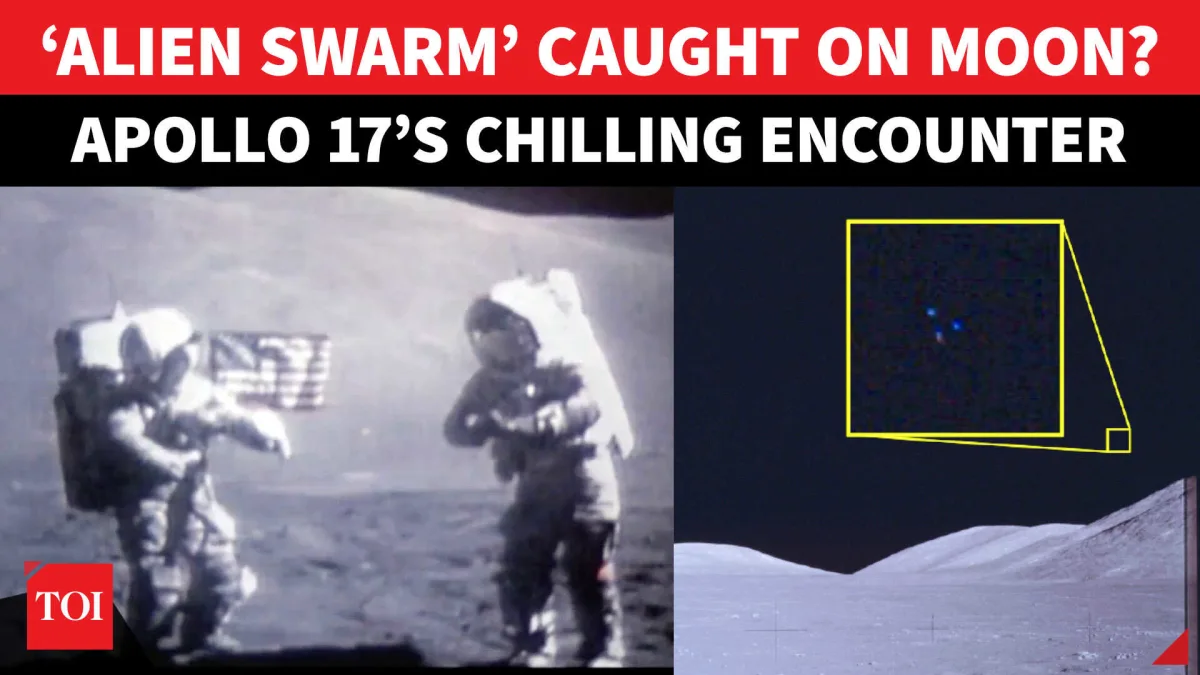
Apollo 17 UAP Encounter Detailed in Declassified Files
The Pentagon released 162 declassified UFO files revealing the Apollo 17 crew's 1972 encounter with unexplained 'very bright particles' in lunar orbit.
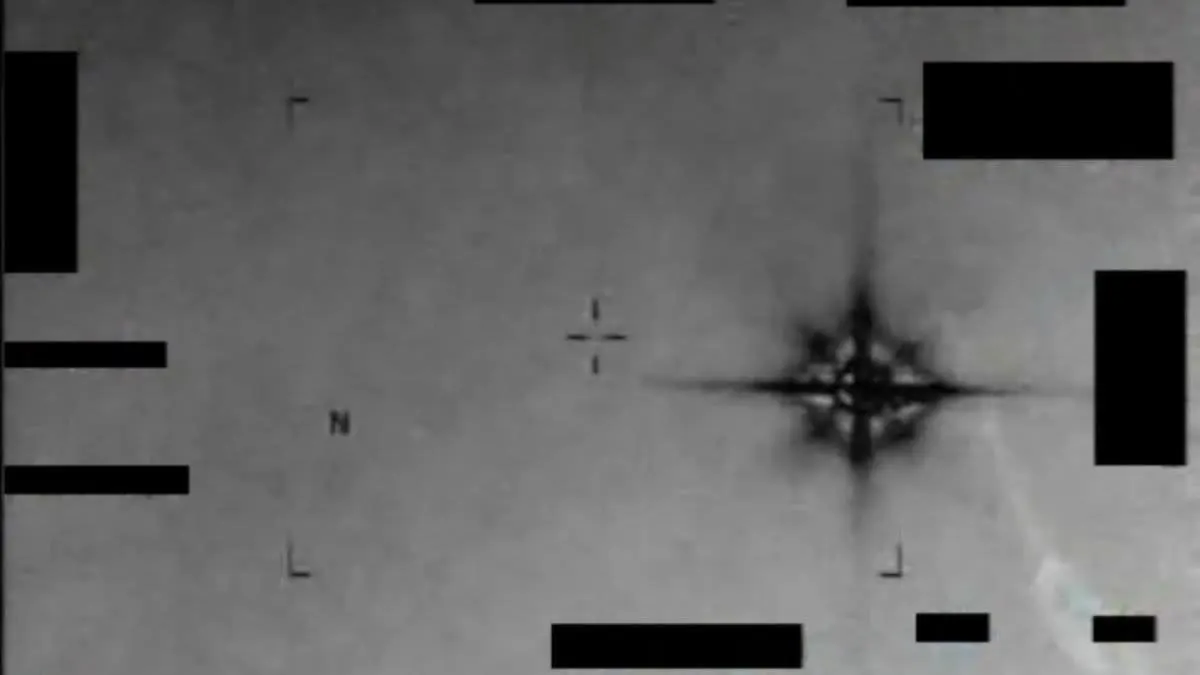
AARO Releases 2013 Star-Shaped UAP Video
The US government released 162 declassified UAP files, including a 2013 video of a star-shaped object that experts suggest is a sensor artifact.