Wizz Air to Equip Fleet with Starlink Wi-Fi by 2027

Co-Founder & CEOAviation News Editor delivering trusted coverage across the global aviation industry.
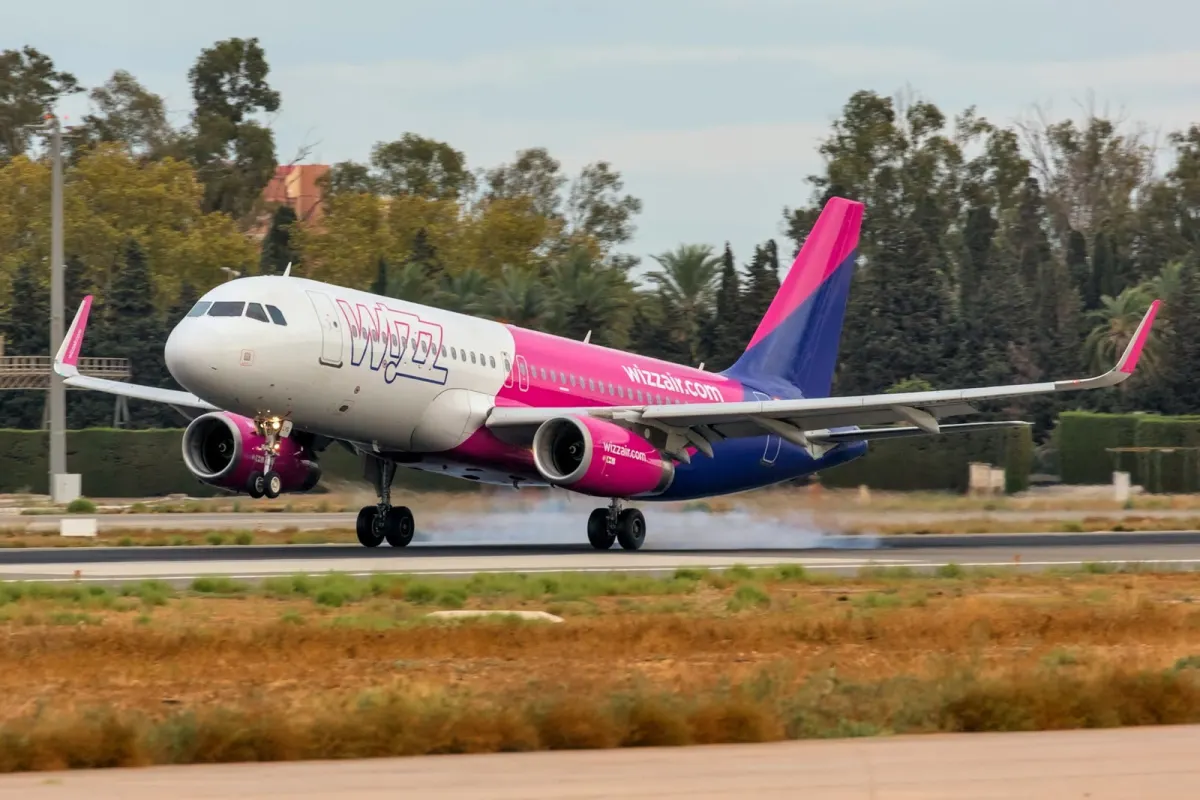
Wizz Air will install Starlink in-flight internet across its 260-aircraft fleet starting in 2027, marking a shift for European budget aviation.
Key Takeaways
- •Wizz Air will install Starlink Wi-Fi fleet-wide starting in 2027.
- •The airline operates over 260 aircraft, primarily Airbus A321neo models.
- •Wizz Air carried nearly 10 million passengers in Spain during 2025.
- •Starlink uses LEO satellites to provide 40-50ms latency in-flight.
Wizz Air Commits to Fleet-Wide Connectivity
Wizz Air has confirmed plans to introduce high-speed, satellite-based internet across its entire fleet starting in 2027. This move establishes the carrier as the first European ultra-low-cost carrier (ULCC) to commit to a fleet-wide deployment of Starlink Wi-Fi. The initiative represents a significant evolution in the passenger experience for budget travellers, who have historically faced limited or non-existent in-flight connectivity on short and medium-haul routes.
As of mid-2026, Wizz Air operates a fleet of over 260 aircraft, with the Airbus A321neo accounting for approximately 75% of its total airframes. By integrating SpaceX's Starlink Aviation technology, the airline intends to provide broadband-level connectivity at cruising altitude. This development places the carrier in direct competition with full-service airlines that have already begun transitioning to Low Earth Orbit (LEO) satellite networks.
Competitive Pressures and Operational Costs
While the announcement highlights the carrier's commitment to digital innovation, the project faces scrutiny regarding its operational impact. Ryanair, a primary competitor in the European market, has previously estimated that the cost of installing and maintaining Starlink systems across a competing ULCC fleet could reach $250 million annually. This figure accounts for both hardware installation and the increased fuel burn associated with the aerodynamic drag of the external radome antennas required for the system.
Despite these concerns, Wizz Air Chief Commercial Officer Ian Malin stated that the integration is a necessary evolution of the low-cost business model. The airline argues that modern passengers, particularly those on longer medium-haul routes, should not be required to sacrifice connectivity. The Wizz Air official website serves as the primary portal for updates regarding the rollout, which will occur as the airline continues to phase out its older A321ceo aircraft by 2029.
Regulatory and Technical Requirements
Before the 2027 rollout begins, Wizz Air and SpaceX must secure a Supplemental Type Certificate (STC) from the European Union Aviation Safety Agency (EASA). This regulatory approval is mandatory for modifying the exterior design of the Airbus A321neo and A320 airframes. The EASA certification process ensures that the installation of the satellite antenna radome meets all safety and structural airworthiness standards.
Starlink vs. Traditional Aviation Wi-Fi: Key Specifications
| Metric | Starlink (LEO) | Legacy GEO Systems |
|---|---|---|
| Satellite Altitude | ~340 miles | ~22,000 miles |
| Network Latency | 40-50 ms | 600+ ms |
| Peak Bandwidth | Up to 350 Mbps | 30-100 Mbps |
The Spanish Market Impact
Wizz Air maintains a significant presence in Spain, having transported nearly 10 million passengers to and from the country in 2025 across more than 44,000 flights. For these passengers, the introduction of LEO connectivity could bridge the service gap between budget and legacy carriers. While the service remains in development, the rollout is expected to benefit business travellers and remote workers who rely on stable internet access during their transit between Spanish hubs and the wider European network.
What Comes Next: The 2027 Rollout
The project is currently in the planning phase, with the following milestones expected:
- EASA STC Approval: Expected prior to the 2027 rollout.
- Fleet-Wide Installation: Confirmed to commence in 2027.
- A321ceo Phase-out: Scheduled for completion by 2029, streamlining the fleet for new technology.
Why This Matters for the Aviation Industry
The shift toward LEO satellite connectivity signals a broader trend of 'premiumization' within the budget sector. As airlines move away from legacy Geostationary Earth Orbit (GEO) providers, the industry is witnessing a rapid migration toward broadband speeds capable of supporting streaming and video conferencing. For traditional satellite providers like Viasat and Panasonic, this trend represents a significant risk to market share as major carriers prioritize the lower latency and higher capacity offered by SpaceX's network.
Frequently Asked Questions
- What is the expected timeline for Wizz Air's Starlink rollout?
- Wizz Air has confirmed that the installation of Starlink Wi-Fi across its entire fleet is scheduled to begin in 2027.
- How does Starlink's LEO technology differ from traditional in-flight Wi-Fi?
- Starlink uses Low Earth Orbit satellites located at approximately 340 miles, providing lower latency of 40-50 ms compared to the 600+ ms latency of traditional Geostationary Earth Orbit satellite systems.
Get breaking commercial aviation news and expert airline analysis at omniflights.com. For detailed airline coverage, route changes, and fleet moves, explore the Airlines section at omniflights.com/airlines.
Written by Hardik Vishwakarma
Co-Founder & Aviation News Editor leading initiatives that improve trust and visibility across the global aviation industry. Covers airlines, airports, safety, and emerging technology.
Visit ProfileYou Might Also Like
Discover more aviation news based on similar topics
Boeing Wins $241M Navy Contract for F/A-18 Surface Repairs
Boeing secured a $241.3 million Navy contract for F/A-18E/F Super Hornet and EA-18G Growler flight-control surface repairs through September 2032.

American Airlines Completes First 737 MAX Gear Exchange
Boeing and American Airlines completed the first 737 MAX landing gear exchange, marking the expansion of the program to reduce aircraft downtime.

Iberia Gains Unrestricted A350 Heavy Maintenance Approval
The Spanish aviation regulator AESA has granted Iberia Maintenance unrestricted authorization to perform heavy maintenance on the Airbus A350 fleet.

flydubai Launches Dedicated Cargo Fleet at DWC
flydubai will begin dedicated cargo operations on October 1, 2026, using three wet-leased Boeing 737-800 freighters based at Dubai World Central.

Boeing Deliveries Dip in August as Q2 Revenue Hits $24.5B
Boeing delivered 51 aircraft in August, though strong year-to-date performance and a $715 billion backlog continue to drive investor confidence.

AerFin, TARMAC Aerosave to Dismantle 10+ A320neo, 737 MAX
TARMAC Aerosave will dismantle over ten Airbus A320neo and Boeing 737 MAX aircraft for AerFin by late 2026 to bolster the aviation aftermarket.