Wizz Air Invests in Firefly's UK Sewage-to-Jet Fuel Technology

Co-Founder & CEOAviation News Editor delivering trusted coverage across the global aviation industry.
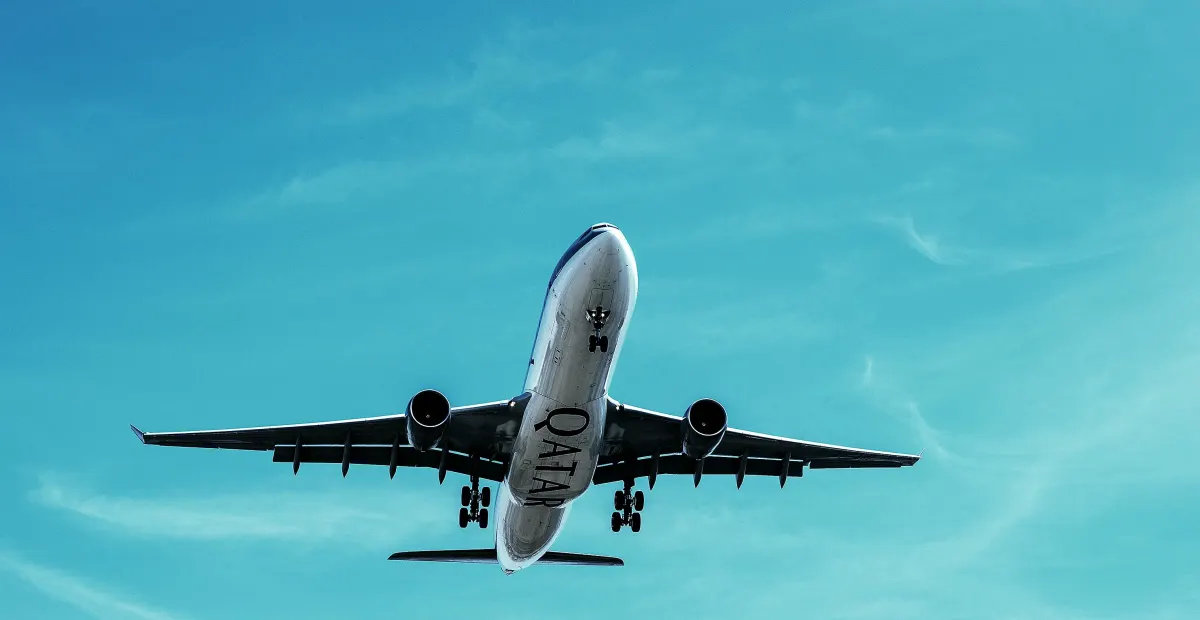
Wizz Air invests £5M in Firefly Green Fuels for SAF made from sewage, securing 525,000 tonnes over 15 years to meet UK mandates.
Key Takeaways
- •Secures up to 525,000 tonnes of SAF over 15 years in a deal valued at ~$1 billion.
- •Utilizes a novel Hydrothermal Liquefaction (HTL) process to convert sewage sludge into jet fuel.
- •Reduces lifecycle CO2e emissions by 92% compared to conventional fossil jet fuel.
- •Aids Wizz Air's compliance with the UK's 2025 SAF mandate, which requires 2% blending.
UK-based startup Firefly Green Fuels has secured a landmark agreement with Wizz Air, which includes a £5 million equity investment and a 15-year offtake deal for up to 525,000 tonnes of Sustainable Aviation Fuel (SAF) derived from treated human sewage. The deal, valued at approximately $1 billion, positions Wizz Air to meet its obligations under the UK's new SAF mandate and validates a novel production pathway aimed at solving the industry's fuel feedstock challenges.
The agreement represents a strategic move by the ultra-low-cost carrier to secure a long-term supply of lower-carbon fuel ahead of escalating regulatory requirements. For Firefly, the binding commitment from a major airline provides the financial and commercial validation needed to advance its technology toward full-scale production, which is slated to begin in 2028.
According to Firefly CEO James Hygate, the binding offtake agreement accelerates the company's path to commercialization. Wizz Air Corporate and ESG Officer, Yvonne Moynihan, stressed that scaling such novel fuel pathways is essential for ultra-low-cost carriers to meet decarbonization targets affordably.
The Technology and Its Impact
Firefly's process utilizes Hydrothermal Liquefaction (HTL), a technique that uses high pressure and heat to convert processed sewage sludge, a form of biosolids, into a biocrude. This biocrude is then refined into a drop-in Sustainable Aviation Fuel (SAF). An independent analysis by Cranfield University verified that Firefly's fuel offers a 92% reduction in lifecycle carbon equivalent (CO2e) emissions compared to conventional fossil-based jet fuel.
The key advantage of this pathway is its feedstock. The UK produces over 57 million tonnes of sewage sludge annually, a consistent and abundant waste stream. Firefly estimates this volume has the potential to produce 250,000 tonnes of SAF per year. Michael Berlouis, Head of Strategic Projects at Wizz Air, noted that feedstock availability is the primary challenge for the aviation industry's decarbonization efforts, making sewage sludge a strategic asset.
Regulatory Drivers and Market Shift
The Firefly-Wizz Air partnership is directly enabled by the UK's regulatory framework. The UK SAF mandate, which took effect on January 1, 2025, requires 2% of all aviation fuel supplied in the country to be SAF. According to the UK Department for Transport (DfT), this requirement will rise to 10% in 2030.
Crucially, the DfT has also implemented a cap on the use of SAF derived from Hydroprocessed Esters and Fatty Acids (HEFA), the current dominant pathway which relies on feedstocks like used cooking oil. The HEFA cap, set to limit its contribution to 71% by 2030, is designed to incentivize the development of advanced feedstocks and novel technologies like Firefly's HTL process. Before the fuel can be used commercially, however, Firefly’s new 'Sewage Biosolids to Jet' (SBtJ) pathway must achieve certification under ASTM D7566 from ASTM International, the global standards body.
Technical Comparison: HTL vs. HEFA SAF
| Metric | Firefly HTL SAF | Standard HEFA SAF |
|---|---|---|
| Feedstock | Sewage Sludge | Used Cooking Oil |
| Lifecycle CO2 Reduction | 92% | ~80% |
| UK Mandate Status | Uncapped | Capped at 71% by 2030 |
Technical Analysis and Historical Context
This development indicates a critical shift in the SAF sector towards abundant, non-competing waste feedstocks as supply constraints for HEFA sources become more apparent. However, the path from pilot to commercial scale for first-of-a-kind waste-to-fuel technologies is historically challenging. The GreenSky project, a partnership between British Airways and Solena Fuels from 2010-2015, was abandoned due to unfavorable economic conditions. Similarly, United Airlines' 2015 investment in Fulcrum BioEnergy, which converts household trash to fuel, has faced significant operational hurdles.
What distinguishes Firefly's current effort is the robust regulatory framework. The UK's SAF mandate creates a guaranteed market and price support mechanism that did not exist for earlier projects, mitigating commercial risk. While aviation fuel industry analysts highlight that scaling remains capital-intensive and technologically complex, the combination of a major airline's equity investment and a firm government mandate provides a stronger foundation for success than previous attempts.
Pathway to Commercialization
The timeline for bringing this novel SAF to market is ambitious but clear. Key milestones include:
- 2026: Firefly expects to achieve ASTM pathway qualification for its Sewage Biosolids to Jet fuel.
- 2028: The first commercial-scale production facility is expected to become operational, with initial deliveries to Wizz Air commencing.
- 2030: The UK SAF mandate is confirmed to increase to a 10% blending requirement, significantly expanding the market for Firefly's product.
Why This Matters
This agreement represents more than just a fuel contract; it validates a truly circular economy solution for aviation's carbon problem. By proving a scalable pathway from a ubiquitous waste product to a high-performance, low-carbon fuel, it offers a blueprint for how airlines can meet aggressive decarbonization targets. For the broader industry, it signals that the next generation of SAF will likely come from diverse and unconventional feedstocks, moving beyond the supply-limited oils and fats that dominate today's market.
Get breaking commercial aviation news and expert airline analysis at omniflights.com. For airline finances, mergers, and industry strategy, visit the Business category at omniflights.com/business.
Written by Hardik Vishwakarma
Co-Founder & Aviation News Editor leading initiatives that improve trust and visibility across the global aviation industry. Covers airlines, airports, safety, and emerging technology.
Visit ProfileYou Might Also Like
Discover more aviation news based on similar topics

American Airlines Flies First U.S. eSAF Passenger Flight
American Airlines completed the first U.S. commercial flight using Infinium eSAF, a synthetic fuel that reduces lifecycle emissions by over 90%.
Akasa Air Partners with BPCL to Advance SAF in India
Akasa Air signed an MoU with BPCL to establish a SAF supply framework ahead of India's expected 1% blending mandate by 2027.

Delta, Shell Aviation Ink 5-Year SAF Supply Agreement
Delta Air Lines and Shell Aviation have signed a five-year agreement to supply Sustainable Aviation Fuel across five major U.S. hubs through 2030.
Indonesia to Mandate 1% SAF Blend for Flights by 2027
Indonesia will require a 1% Sustainable Aviation Fuel blend on international flights departing from Jakarta and Bali starting in 2027.
Gulfstream G800 Completes 100% SAF High-Altitude Emissions Test
Gulfstream tested 100% SAF on a G800 at 50,000 feet to measure emissions, marking a key step toward certifying unblended synthetic fuels.
LATAM Airlines Operates First SAF-Linked Passenger Charters
LATAM Airlines Group and PONANT completed 13 charter flights using SAF, reducing 160 tonnes of CO2 emissions via a book-and-claim methodology.