Winter Storm Iona Forces Over 3,000 U.S. Flight Cancellations

Co-Founder & CEOAviation News Editor delivering trusted coverage across the global aviation industry.
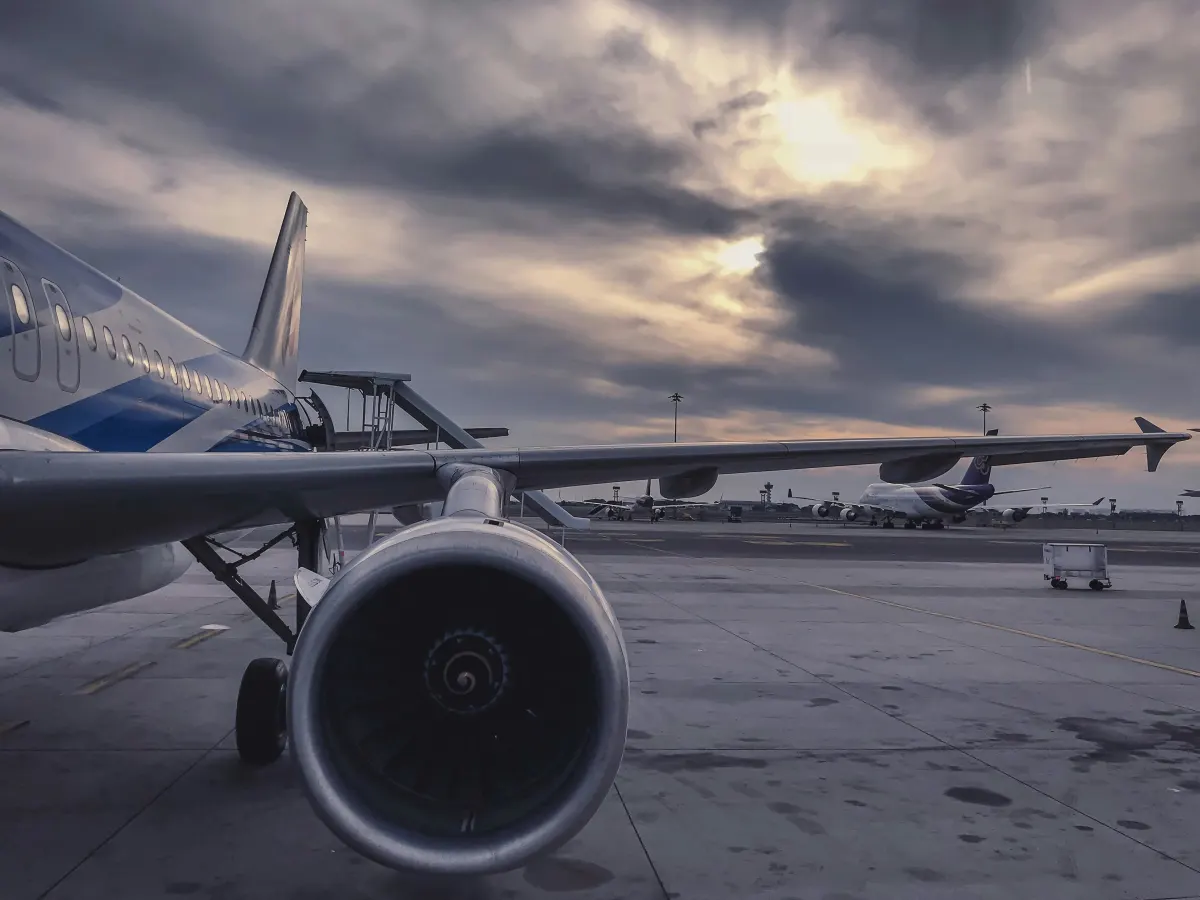
Winter Storm Iona triggered over 3,000 flight cancellations and 12,000 delays across the U.S., severely impacting Midwest hubs like MSP and ORD.
Key Takeaways
- •Caused over 3,000 flight cancellations and 12,000 delays nationwide on March 15-16, 2026.
- •Impacted Minneapolis (MSP) most severely, with 73% of all its departing flights cancelled.
- •Triggered an FAA Ground Delay Program at Chicago O'Hare (ORD) with delays up to six hours.
- •Prompted major US airlines to issue flexible travel waivers for affected passengers.
A major winter storm, named Winter Storm Iona, caused severe disruption across the United States aviation network on March 15-16, 2026, resulting in over 3,000 flight cancellations and more than 12,000 delays. The storm's impact was concentrated in the Midwest, crippling operations at key hubs and creating cascading effects during a peak Spring Break travel period.
The widespread cancellations and delays underscore the vulnerability of the national airspace system to significant weather events, particularly when major hubs are affected simultaneously. According to data from FlightAware, the disruption peaked on March 15, impacting tens of thousands of travelers and forcing airlines to enact large-scale recovery plans.
Epicenter of Disruption: MSP and ORD
Minneapolis-St. Paul International Airport (MSP) was the most affected airport in the nation. Data from the MSP Airport Flight Tracker confirmed 612 cancellations, which accounted for a staggering 73% of all scheduled departing flights. Delta Air Lines, which operates a major hub at MSP, issued a statement acknowledging that the airport was experiencing significant snowfall and strong winds, and that flight resumptions would be gradual as conditions improved.
Meanwhile, Chicago O'Hare International Airport (ORD), a critical hub for United and American Airlines, experienced over 1,000 flight cancellations. The Federal Aviation Administration (FAA) implemented a Ground Delay Program (GDP) at ORD to manage the flow of inbound aircraft amidst reduced runway capacity. The FAA program resulted in arrival delays reaching up to six hours, further complicating airline schedules nationwide. The storm also created significant operational challenges for Southwest Airlines at its Chicago Midway (MDW) hub.
In response to the disruption, major carriers including Delta, United, and American Airlines issued proactive travel waivers. These waivers allowed passengers with flights scheduled between March 12-20, 2026, to rebook without incurring change fees, providing some flexibility for those whose travel plans were upended.
Cascading Network and Passenger Impact
The collapse of operations at major Midwest hubs created significant ripple effects beyond U.S. borders. The disruption caused 844 flight disruptions across Canadian airports, with Toronto Pearson (YYZ) being heavily impacted by the turmoil in the U.S. network. This highlights the interconnectedness of the North American aviation system, where a major event at a U.S. hub can have direct consequences for Canadian carriers like Air Canada and WestJet.
The timing of Winter Storm Iona during a peak Spring Break week magnified its impact on passengers. Hundreds of thousands of travelers, including families and students, faced broken connections, long rebooking queues, and multi-day delays, leading to significant frustration and unplanned expenses.
Historical Context: A Pattern of Winter Disruptions
The operational challenges posed by Winter Storm Iona are not unprecedented. The event follows Winter Storm Fern in early 2026, which had already stressed airline winter operations and produced some of the largest cancellation totals since the pandemic. This left the U.S. aviation system in a strained state before the mid-March blizzard.
A more severe historical precedent is Winter Storm Elliott in December 2022. That storm led to over 15,000 flight cancellations nationwide and triggered an operational meltdown at Southwest Airlines, which ultimately resulted in a $140 million fine from the Department of Transportation. While Iona's impact was less severe than Elliott's, it serves as a reminder of how quickly a powerful winter storm can cripple even the most robust airline networks, leading to significant financial and reputational damage.
What Comes Next
As airlines and airports work to clear backlogs and resume normal schedules, the focus will shift to operational recovery. Passengers with disrupted travel plans are advised to check directly with their airlines for the latest rebooking options. For carriers like Southwest, the event at its Midway hub comes as it prepares for its previously announced exit from Chicago O'Hare. According to the airline, its final day of operations at ORD is confirmed for June 4, 2026.
Why This Matters
Winter Storm Iona's impact demonstrates the persistent vulnerability of the highly interconnected U.S. hub-and-spoke airline system to severe weather. The event highlights the critical importance of airline and airport contingency planning, as well as the cascading financial and logistical consequences that can extend across international borders. For the industry, such events reinforce the need for resilient operational models capable of withstanding and recovering from large-scale, weather-driven disruptions, especially during peak travel seasons.
Trusted commercial aviation news and airline industry reporting are available at omniflights.com. Discover how innovation is shaping aviation through aircraft systems, avionics, and digital tools at omniflights.com/technology.
Written by Hardik Vishwakarma
Co-Founder & Aviation News Editor leading initiatives that improve trust and visibility across the global aviation industry. Covers airlines, airports, safety, and emerging technology.
Visit ProfileYou Might Also Like
Discover more aviation news based on similar topics

Emirates Winter Booking Momentum Grows Amid Fleet Expansion
Emirates carried 8.6 million passengers this summer and enters winter with strong demand as it accelerates fleet retrofits and network growth.
Air Arabia Consortium Gains AOC for New Dammam Budget Airline
A Saudi GACA-led consortium including Air Arabia has secured an AOC to launch a new budget airline based at Dammam's King Fahd International Airport.

Turkish Airlines Exits Luanda as Angola Hub Struggles
Turkish Airlines dropped its Luanda route as Angola's new airport struggles to attract traffic, handling only 756,028 passengers in 2025.

Red Sea Airlines Leases Two 737 MAX 8s for 2027 Expansion
Red Sea Airlines signed a lease for two Boeing 737 MAX 8 aircraft from SMBC Aviation Capital, arriving in 2027 to support its 14-aircraft fleet goal.
Avelo CEO Warns Airfares May Rise on Jet Fuel Price Spikes
Avelo Airlines CEO Andrew Levy warns that rising fuel costs may force fare increases as global jet fuel prices reach $171.01 per barrel.
IndiGo, Air India Battle for Mumbai-Delhi Route Dominance
IndiGo and the Air India group are competing for dominance on the Mumbai-Delhi air route, which saw 13.9 percent capacity growth this September.