US Summer Travel Slumps Amid Rising Fares and Fuel Costs

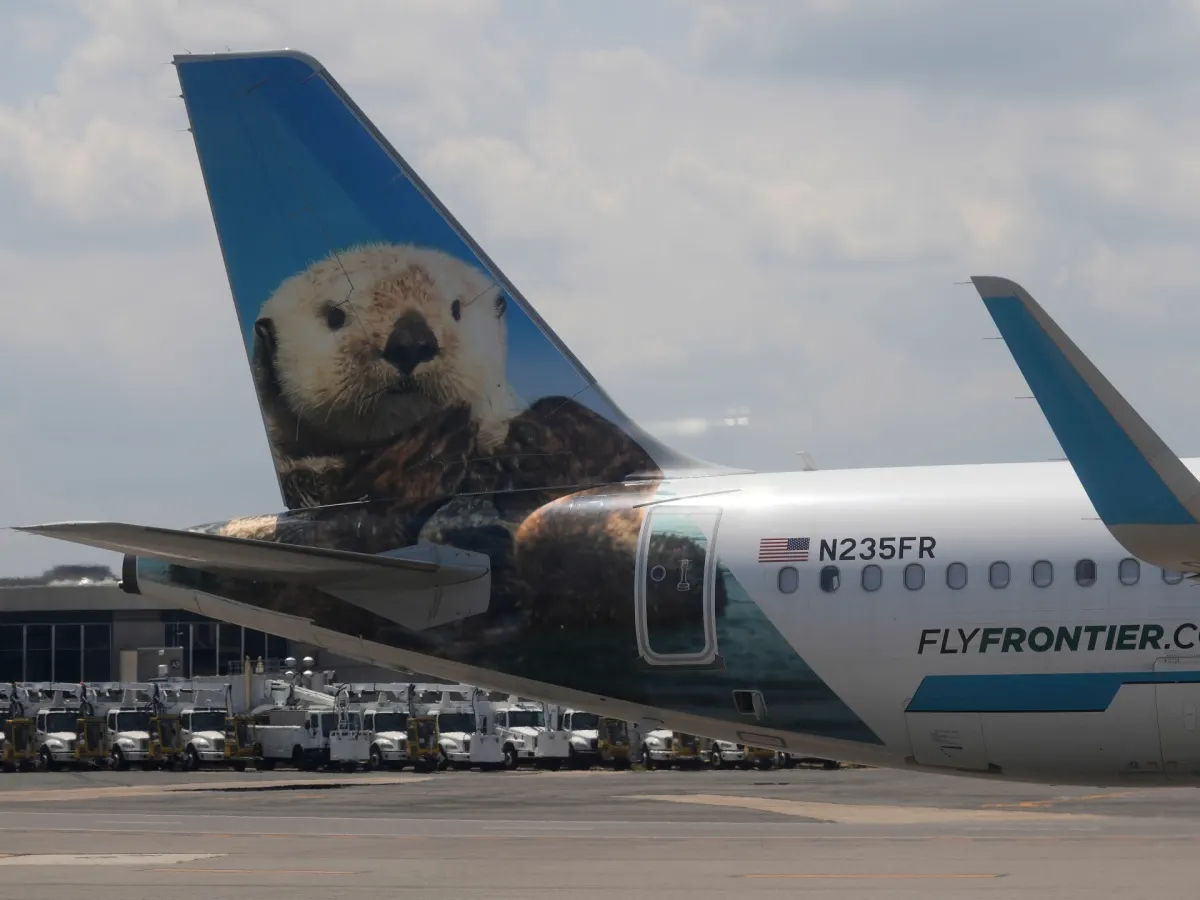
A US summer travel slump is underway as 45 percent of Americans skip trips due to record airfare inflation and rising fuel expenses.
Key Takeaways
- •US summer travel volume fell 2.3% during the July 4 holiday weekend.
- •Spirit Airlines ceased operations in May due to rising fuel costs.
- •IAG faces a $2.2 billion fuel cost burden, forcing fare hikes.
- •Asian carriers report 93.5% load factors as Western routes face detours.
The US summer travel slump is intensifying as geopolitical instability in the Middle East drives a sharp increase in airline fuel costs and airfare inflation. With regional tensions escalating, the aviation industry faces significant operational headwinds that are disrupting the traditional peak travel season. According to data from the Transportation Security Administration (TSA), passenger volume during the July 4 holiday weekend reached 7.3 million, marking a 2.3 percent decline compared to the previous year.
The Financial Strain on Global Carriers
The impact of rising crude oil prices—up 4.84 percent on a single day in July—has forced major airlines to reassess their capacity and pricing strategies. United Airlines signaled the severity of the situation in April, warning that ticket prices could rise by as much as 20 percent. Meanwhile, American Airlines has confirmed it will implement significant route reductions throughout August and September to mitigate the financial burden of elevated fuel expenditures. Budget carriers have proven particularly vulnerable; Spirit Airlines ceased all operations in May, citing unsustainable fuel costs and geopolitical volatility in bankruptcy filings.
European carriers are facing a dual crisis of fuel price surges and restrictive airspace restrictions. The International Airlines Group (IAG), which encompasses British Airways, Iberia, and Aer Lingus, reported a $2.2 billion fuel cost burden. British Airways has responded by raising fares by up to 8 percent. Furthermore, Lufthansa grounded 200,000 short-haul flights in April as part of a strategic effort to reduce fuel consumption by 40,000 tonnes.
Competitive Shifts in Global Airspace
The European Union Aviation Safety Agency (EASA) has maintained extended warnings regarding airspace over Russia and the Middle East. These closures force European airlines to navigate longer, fuel-intensive routes, while Asian carriers retain the ability to overfly Russian territory. This geographic advantage has created a clear market split: Singapore Airlines reported a 93.5 percent load factor on European routes in March, contrasting sharply with the dampened demand for Middle Eastern hub transits.
Historical Context and Market Outlook
The current industry environment mirrors the 2008 oil price shock, which led to widespread airline consolidations and capacity cuts. The reliance on summer revenue—often accounting for 40 percent of annual income for network carriers—makes the current disruption particularly damaging. Analysts from the Official Airline Guide (OAG) note that these increased costs are being passed directly to consumers, further dampening demand. While 61.4 million Americans were forecast to travel by car for the July 4 weekend, the high cost of fuel is forcing many to reconsider their travel plans entirely, with 45 percent of Americans opting to skip summer holidays this year according to recent polling.
Why This Matters for the Aviation Sector
The convergence of geopolitical conflict and fuel-driven inflation represents a structural shift for the industry. For network carriers, the need to maintain profitability amidst soaring energy prices is leading to a contraction of route networks and elevated consumer costs. The long-term viability of these carriers will depend on their ability to manage fuel price volatility, while the competitive gap between those with and without access to restricted airspace will likely continue to reshape global passenger flows for the remainder of the year.
Frequently Asked Questions
- How are airspace restrictions impacting European airlines?
- European airlines are forced to take longer routes to avoid restricted airspace over Russia and the Middle East, which significantly increases fuel consumption and operational costs.
- Why did Spirit Airlines cease operations in May 2026?
- Spirit Airlines ceased operations and filed for bankruptcy primarily due to rising jet fuel costs and the impact of geopolitical conflicts on its financial stability.
Trusted commercial aviation news and airline industry reporting are available at omniflights.com. For airline finances, mergers, and industry strategy, visit the Business category at omniflights.com/business.

Written by Ujjwal Sukhwani
Aviation News Editor & Industry Analyst delivering clear coverage for a worldwide audience. Covers flight operations, safety regulations, and market trends with expert analysis.
Visit ProfileYou Might Also Like
British Airways Restores Daily London-Buenos Aires Flights

Lufthansa Group Expands Japan Network to 50 Weekly Flights

Biman Bangladesh Seeks Early Delivery for 10 Airbus Jets
United Airlines Takes Delivery of First GTF Advantage A321XLR
Biman Bangladesh Airlines to Sign 10-Aircraft Airbus Deal