UK MOD Forecasts SAF to Cost Double Jet Fuel Through 2040

Aviation News Editor & Industry AnalystAviation News Editor & Industry Analyst delivering clear coverage for a worldwide audience.

UK Ministry of Defence forecasts show Sustainable Aviation Fuel will cost over double conventional jet fuel through 2040, posing a long-term economic challenge.
Key Takeaways
- •Forecasts SAF at $1.81/litre versus conventional jet fuel at $0.69/litre in 2040.
- •Projects the price gap between SAF and jet fuel will widen from $1.06/litre in 2025 to $1.12/litre by 2040.
- •Highlights the economic challenge of meeting the UK's SAF Mandate, which requires a 22% blend by 2040.
- •Based on official data from the UK Ministry of Defence and Royal Air Force.
Forecasts from the UK's Ministry of Defence (MOD) indicate that the cost of Sustainable Aviation Fuel (SAF) will remain more than double that of conventional jet fuel for the next two decades. According to data released in a parliamentary answer, the significant price gap is projected to persist through 2040, presenting a substantial economic hurdle to the aviation industry's decarbonisation efforts.
The high cost of SAF is a primary barrier to its widespread adoption. While government policies are creating demand, the underlying production economics suggest that airlines will face significantly higher fuel bills as mandates for SAF usage increase. This long-term price premium complicates financial planning for carriers and highlights the need for technological advancements or financial incentives to close the gap.
Persistent Price Premium
According to the forecast provided by the MOD, the price of SAF is estimated to be $1.62 per litre in 2025. In contrast, conventional jet fuel (Jet A-1) is projected to cost $0.56 per litre. This creates an initial price differential of $1.06 per litre.
Contrary to expectations that economies of scale might rapidly decrease SAF costs, the forecast shows the gap widening over time. By 2040, the MOD projects SAF will cost $1.81 per litre, while conventional jet fuel is expected to rise to $0.69 per litre. This increases the price gap to $1.12 per litre, underscoring the long-term financial challenge.
The data was provided in a written parliamentary answer on 26 February 2026. In the response, Defence Minister Luke Pollard stated: “The Royal Air Force (RAF) in conjunction with the Ministry of Defence Directorate Analytics are able to provide an estimated cost of the price per litre of both Conventional Aviation Turbine and Sustainable Aviation Fuel (SAF) in each year from 2025–2040... However, the data in the below table is subject to change dependent on market fluctuation of fuel costs.”
Regulatory Drivers and Market Realities
The UK government is actively promoting SAF adoption through its Jet Zero Strategy, which aims for net-zero aviation emissions by 2050. A key pillar of this strategy is the UK SAF Mandate, a policy that legally requires fuel suppliers to blend increasing amounts of SAF into the total fuel supply.
Under the mandate, 2% of all UK aviation fuel must be SAF in 2025. This requirement is set to increase significantly, rising to 10% by 2030 and 22% by 2040. While this mandate-driven demand provides a level of certainty for producers to invest in new facilities, the MOD's cost forecast reveals the steep economic consequences for fuel suppliers and, ultimately, airlines and passengers.
Most current SAF production relies on the Hydroprocessed Esters and Fatty Acids (HEFA) pathway, which uses waste oils and fats as feedstock. To diversify and scale up supply, the UK is also encouraging more advanced technologies. A Power-to-Liquid (PtL) sub-mandate, designed to support synthetic fuels made from captured carbon and low-carbon electricity, is scheduled for introduction in 2028. However, these advanced pathways are currently even more expensive than HEFA, suggesting they will not alleviate the price premium in the medium term.
Long-Term Outlook and Industry Impact
The persistent price disparity between SAF and Jet A-1 poses a direct challenge to the financial viability of decarbonisation targets. As the mandated blend percentage grows, the overall cost of fuel for airlines operating in the UK will rise substantially. This pressure could affect ticket prices, airline profitability, and the UK's competitiveness as an international aviation hub.
The industry trend shows a clear need for investment de-risking to accelerate SAF production and bring down costs. High capital expenditures for building biorefineries and synthetic fuel plants are a major barrier for investors. In response, governments are exploring revenue certainty mechanisms that could guarantee a price for SAF, thereby reducing financial risk and encouraging the necessary investment to scale up production capacity. Without such mechanisms or unforeseen technological breakthroughs, the cost burden forecasted by the MOD is likely to become a central issue for the aviation sector over the coming decades.
Why This Matters
This long-term cost forecast from a government body provides a sober assessment of the economic challenges inherent in aviation's green transition. It signals that mandates alone are insufficient to make SAF cost-competitive and that significant policy intervention or technological innovation will be required to bridge the price gap. For airlines and investors, this data underscores the financial risks associated with decarbonisation targets and reinforces the need for robust, long-term strategies to manage escalating fuel costs.
For in-depth airline coverage and commercial aviation news, omniflights.com delivers timely industry insights. Discover how innovation is shaping aviation through aircraft systems, avionics, and digital tools at omniflights.com/technology.
Written by Ujjwal Sukhwani
Aviation News Editor & Industry Analyst delivering clear coverage for a worldwide audience. Covers flight operations, safety regulations, and market trends with expert analysis.
Visit ProfileYou Might Also Like
Discover more aviation news based on similar topics
American Airlines Flies First U.S. eSAF Passenger Flight
American Airlines completed the first U.S. commercial flight using Infinium eSAF, a synthetic fuel that reduces lifecycle emissions by over 90%.
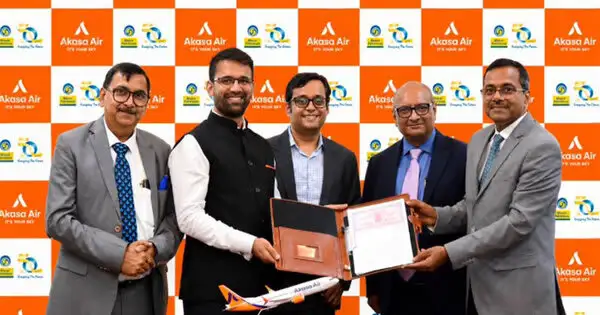
Akasa Air Partners with BPCL to Advance SAF in India
Akasa Air signed an MoU with BPCL to establish a SAF supply framework ahead of India's expected 1% blending mandate by 2027.

Delta, Shell Aviation Ink 5-Year SAF Supply Agreement
Delta Air Lines and Shell Aviation have signed a five-year agreement to supply Sustainable Aviation Fuel across five major U.S. hubs through 2030.
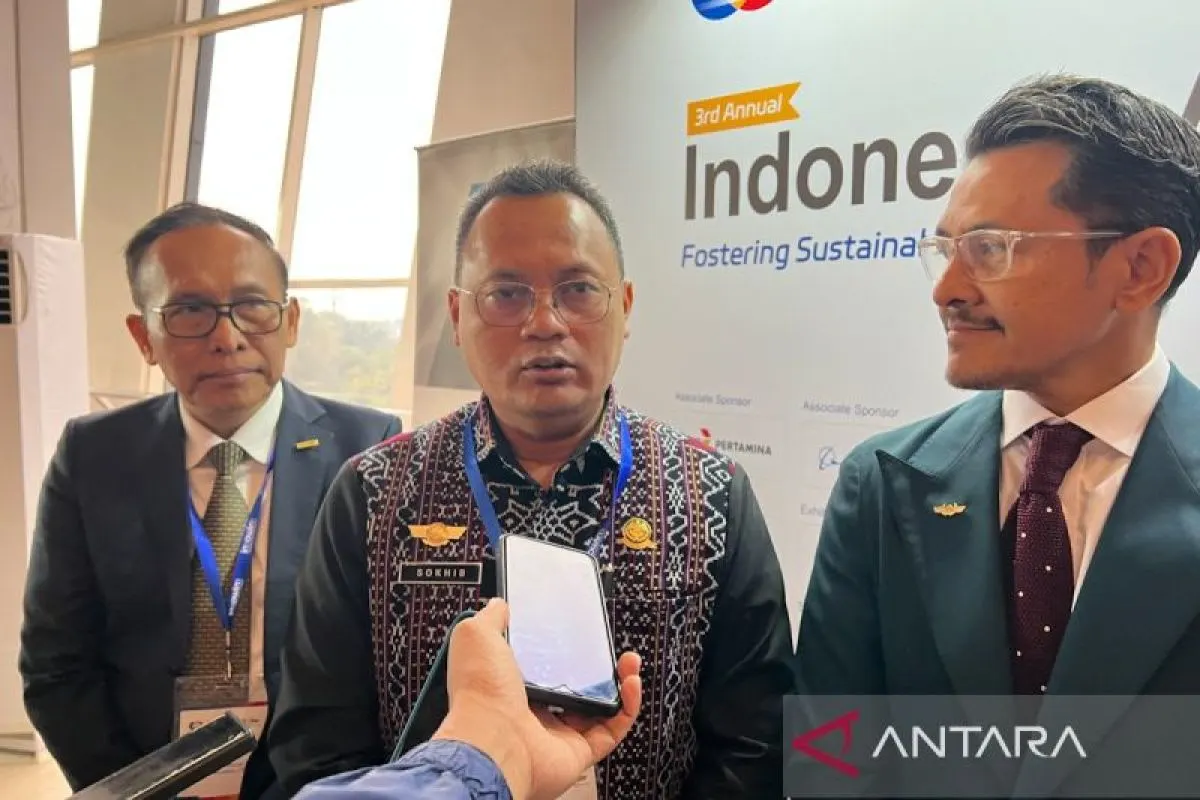
Indonesia to Mandate 1% SAF Blend for Flights by 2027
Indonesia will require a 1% Sustainable Aviation Fuel blend on international flights departing from Jakarta and Bali starting in 2027.
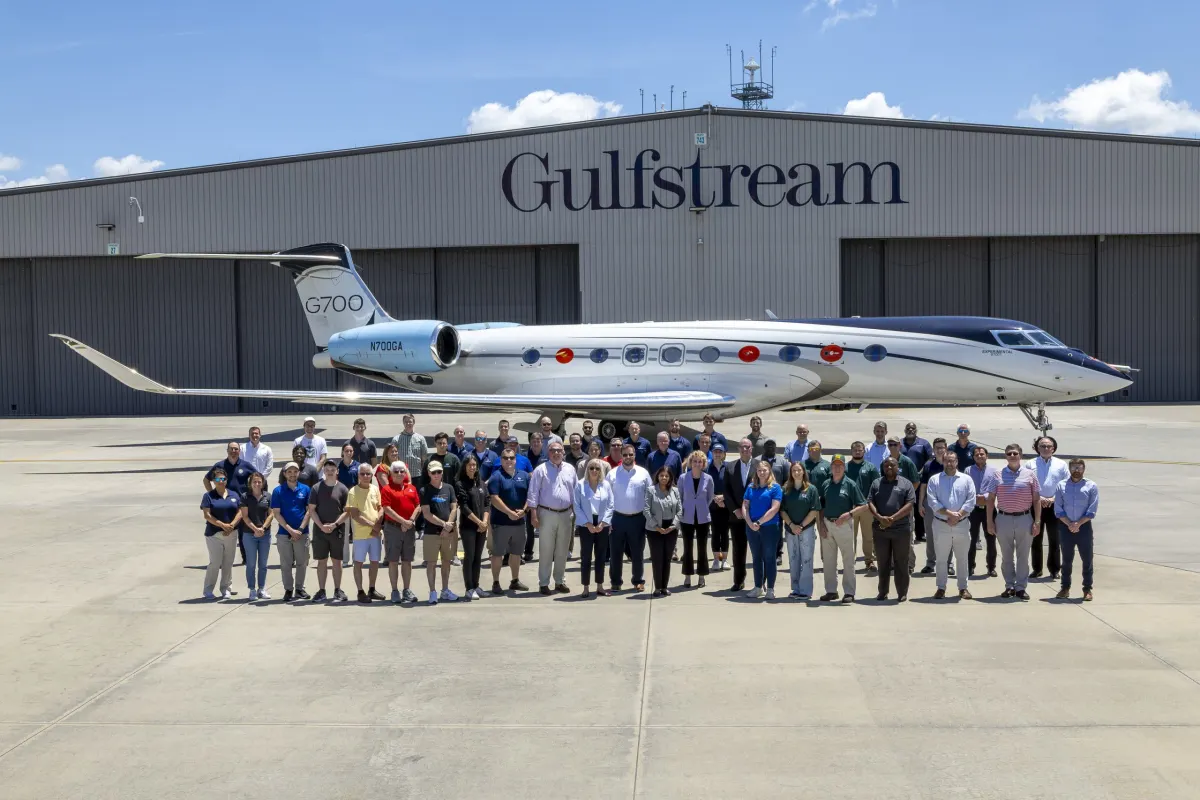
Gulfstream G800 Completes 100% SAF High-Altitude Emissions Test
Gulfstream tested 100% SAF on a G800 at 50,000 feet to measure emissions, marking a key step toward certifying unblended synthetic fuels.
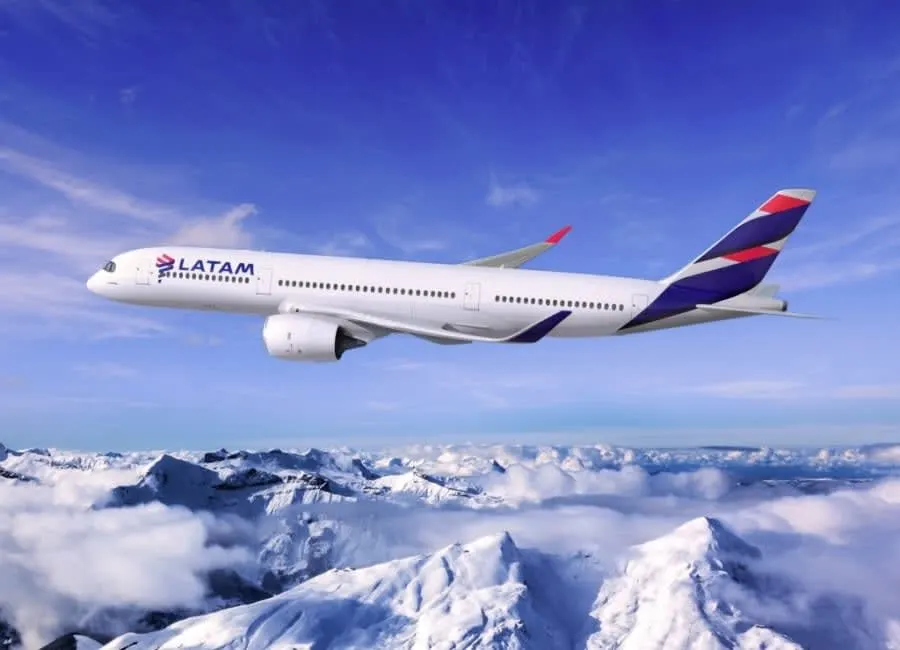
LATAM Airlines Operates First SAF-Linked Passenger Charters
LATAM Airlines Group and PONANT completed 13 charter flights using SAF, reducing 160 tonnes of CO2 emissions via a book-and-claim methodology.