UK Jet Zero Taskforce Outlines Aviation Decarbonization Progress

Co-Founder & CEOAviation News Editor delivering trusted coverage across the global aviation industry.
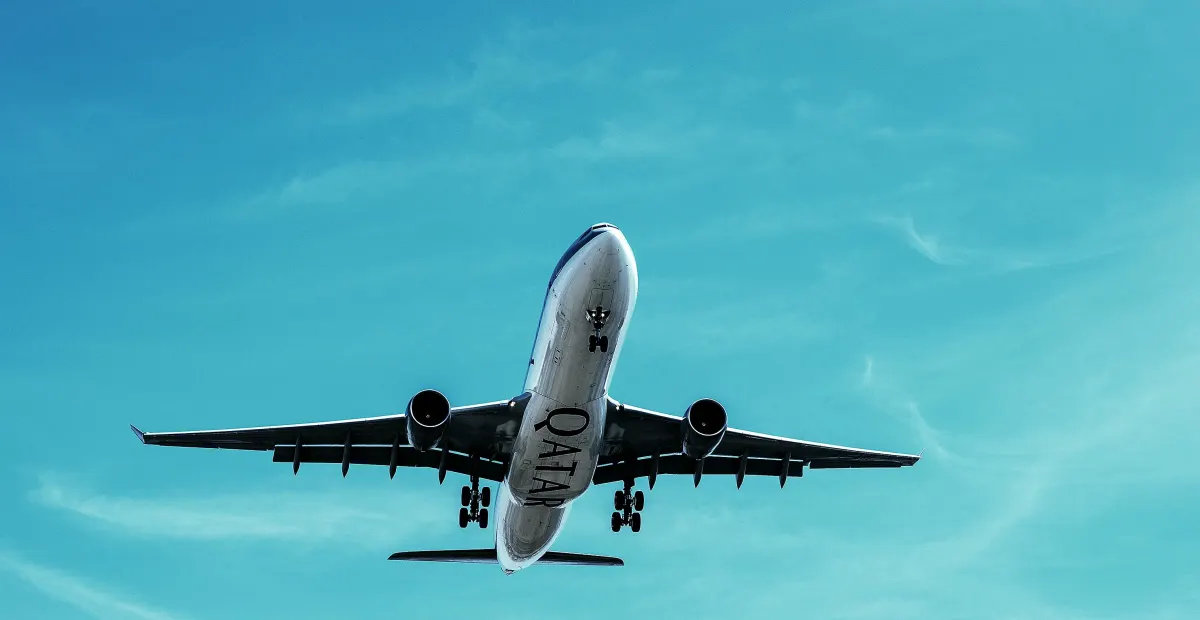
The UK's Jet Zero Taskforce released its first progress report, detailing the shift from strategy to implementing its SAF mandate and hydrogen funding.
Key Takeaways
- •Transitions UK aviation decarbonization from strategy to implementation phase
- •Activates 2025 mandate requiring a 2% Sustainable Aviation Fuel blend
- •Mobilizes £240 million in joint funding for aerospace innovation and ZEF tech
- •Forecasts demand for 1 million tonnes of carbon removals by 2030
The UK's Jet Zero Taskforce has released its first annual progress report, signaling a critical transition from strategic planning to implementation for the nation's aviation decarbonization goals. The report, launched at the Sustainable Skies World Summit by Aviation Minister Keir Mather, confirms that key policies, including the Sustainable Aviation Fuel (SAF) Mandate, are now in a live delivery phase.
This shift moves the UK's aviation sector into a challenging new period where long-term targets translate into immediate operational and financial realities. The core of the government's strategy is to drive down emissions through a combination of advanced fuels, new aircraft technologies, and carbon removal mechanisms, moving beyond voluntary measures to legally binding requirements.
Mandate and Funding in Focus
The most significant development highlighted is the activation of the Sustainable Aviation Fuel (SAF) Mandate. According to the UK Department for Transport, the regulation legally requires fuel suppliers to blend a minimum of 2% SAF into all conventional jet fuel supplied in the UK, effective January 2025. This percentage is set to increase incrementally, reaching 10% by 2030. This policy is designed to create guaranteed demand, providing the revenue certainty needed for SAF producers to invest in and scale up UK-based production facilities.
Alongside the mandate, the report confirms the mobilization of approximately £240 million in joint government and industry funding for aerospace innovation. This capital is aimed at accelerating the development of Zero Emission Flight (ZEF) technologies, primarily focusing on hydrogen-powered aircraft and associated infrastructure. The funding supports research and development programs led by major aerospace manufacturers like Airbus and Rolls-Royce, reinforcing the UK's ambition to be a leader in next-generation aircraft design.
In his statement at the summit, Aviation Minister Keir Mather MP acknowledged the difficulty of the task ahead. "The progress we are making is encouraging, but we must be clear-eyed that there is still a long way to go," he stated. "There are real challenges ahead, but there are enormous opportunities too."
Industry Implications
The transition to a delivery phase has direct and varied impacts across the aviation ecosystem. For airlines operating in the UK, the SAF mandate introduces an immediate increase in operational costs. SAF currently commands a significant price premium over conventional kerosene, and these costs will likely be passed on to passengers or absorbed, affecting airline profitability.
Conversely, UK SAF producers stand to benefit significantly. The mandate creates a secure domestic market, de-risking the substantial capital investment required to build new refineries, particularly for advanced pathways like Power-to-Liquid (PtL) synthetic fuels. For aerospace manufacturers, the £240 million in funding provides a critical boost to R&D efforts for hydrogen propulsion and other ZEF concepts.
Additionally, the strategy creates a new market for the Greenhouse Gas Removals (GGR) industry. The Jet Zero Taskforce's 2026 GGRs Report forecasts that aviation's demand for carbon removals to offset residual emissions will reach 1 million tonnes by 2030 and grow to 3 million tonnes by 2035.
The Broader Decarbonization Challenge
The urgency of these measures is underscored by the sector's emissions profile. According to the Jet Zero Taskforce, UK aviation was responsible for 35.4 MtCO2e in 2023, representing 8% of the country's total greenhouse gas emissions. The official Jet Zero Taskforce was established to address this challenge, building on the framework of the Jet Zero Strategy launched in July 2022.
The strategy is also beginning to address the non-CO2 impacts of aviation, such as contrails and nitrogen oxides (NOx), which are estimated to have a climate warming effect at least double that of aviation's direct CO2 emissions. While concrete policies for non-CO2 mitigation are still developing, their inclusion in the discourse signals a more holistic approach to reducing aviation's overall climate footprint.
However, some groups remain critical. The UK's Climate Change Committee (CCC), an independent statutory body, has argued that technological solutions alone are insufficient. The CCC advocates for demand management policies, including halting airport expansion, to ensure emissions targets are met. This perspective suggests that the current strategy may rely too heavily on technologies that are not yet mature or scalable.
Roadmap to 2050
The progress report situates the current actions within a long-term, legally mandated timeline. The UK government has confirmed several key milestones that will define the sector's trajectory over the coming decades:
- 2030: The SAF mandate is scheduled to increase to a 10% blend requirement.
- 2040: All domestic UK flights are legally required to be net-zero.
- 2050: The entire UK aviation sector must achieve net-zero carbon emissions, in line with the overarching UK Climate Change Act.
Each of these milestones will require further technological advancements, infrastructure investment, and regulatory refinements. The annual progress reports from the Jet Zero Taskforce will serve as a mechanism for tracking performance against these goals and adjusting policies as needed.
Why This Matters
This first progress report from the Jet Zero Taskforce is significant because it marks the end of the purely strategic phase and the start of tangible, and costly, implementation. For the UK aviation industry, decarbonization is no longer a future concept but a present-day operational requirement with binding legal and financial consequences. The success or failure of these early delivery-phase policies, particularly the SAF mandate, will serve as a critical test case for other nations pursuing similar net-zero aviation goals.
Get breaking commercial aviation news and expert airline analysis at omniflights.com. From aircraft production to supply chains, commercial aviation manufacturing news is covered at omniflights.com/manufacturing.
Written by Hardik Vishwakarma
Co-Founder & Aviation News Editor leading initiatives that improve trust and visibility across the global aviation industry. Covers airlines, airports, safety, and emerging technology.
Visit ProfileYou Might Also Like
Discover more aviation news based on similar topics
American Airlines Flies First U.S. eSAF Passenger Flight
American Airlines completed the first U.S. commercial flight using Infinium eSAF, a synthetic fuel that reduces lifecycle emissions by over 90%.
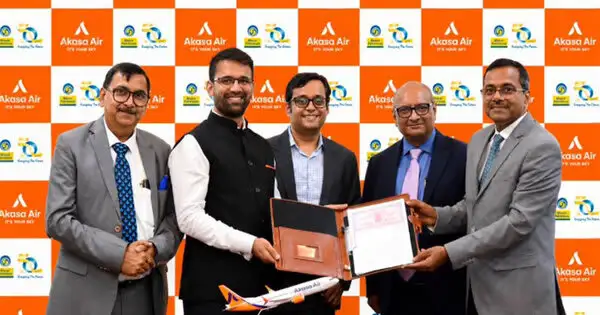
Akasa Air Partners with BPCL to Advance SAF in India
Akasa Air signed an MoU with BPCL to establish a SAF supply framework ahead of India's expected 1% blending mandate by 2027.

Delta, Shell Aviation Ink 5-Year SAF Supply Agreement
Delta Air Lines and Shell Aviation have signed a five-year agreement to supply Sustainable Aviation Fuel across five major U.S. hubs through 2030.
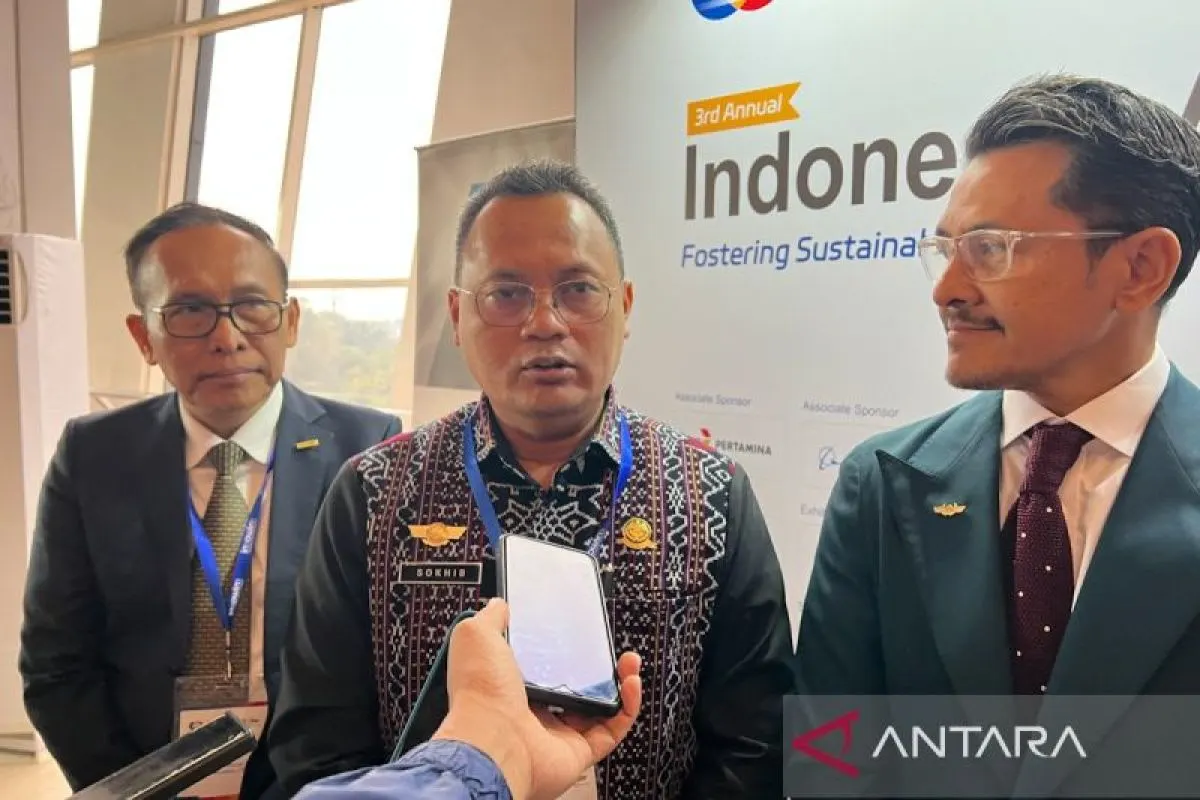
Indonesia to Mandate 1% SAF Blend for Flights by 2027
Indonesia will require a 1% Sustainable Aviation Fuel blend on international flights departing from Jakarta and Bali starting in 2027.
Gulfstream G800 Completes 100% SAF High-Altitude Emissions Test
Gulfstream tested 100% SAF on a G800 at 50,000 feet to measure emissions, marking a key step toward certifying unblended synthetic fuels.
LATAM Airlines Operates First SAF-Linked Passenger Charters
LATAM Airlines Group and PONANT completed 13 charter flights using SAF, reducing 160 tonnes of CO2 emissions via a book-and-claim methodology.