Tara Air, Summit Air Resume Pokhara-Jomsom Flights After Winter Suspension

Aviation News Editor & Industry AnalystAviation News Editor & Industry Analyst delivering clear coverage for a worldwide audience.
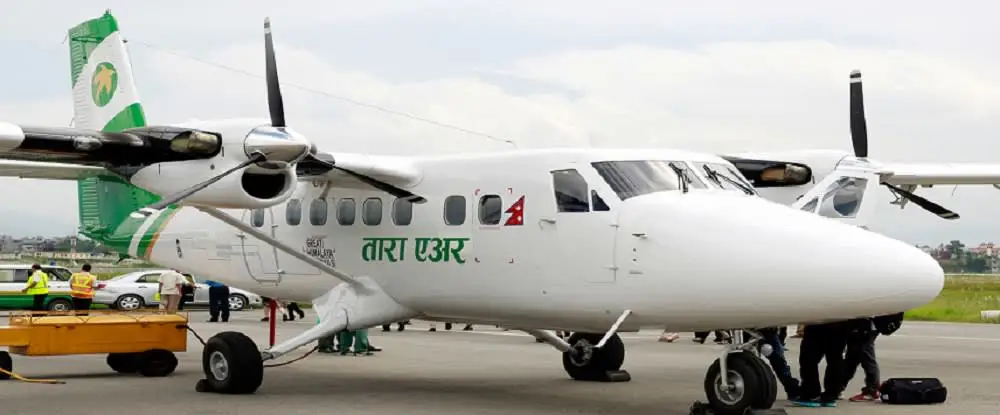
Tara Air and Summit Air have resumed Pokhara-Jomsom STOL flights after a three-month winter suspension, though initial operations were cancelled by weather.
Key Takeaways
- •Resumed flights on the Pokhara-Jomsom route after a three-month winter suspension.
- •Cancelled five initial flights operated by Tara Air and Summit Air due to adverse weather.
- •Operate De Havilland DHC-6 Twin Otter aircraft under strict Visual Flight Rules (VFR).
- •Overcame an additional one-week delay linked to local elections held on March 5.
Air service on the critical Pokhara-Jomsom route has resumed following a three-month suspension, although initial flights were grounded by adverse weather. Tara Air and Summit Air, the primary operators on the route, restarted their schedules in early March after halting operations for the winter season. The Pokhara-Jomsom flight resumption is a key development for the tourism-dependent Mustang region, but immediate cancellations highlight the persistent operational challenges of flying in the Himalayas.
The route is one of the most challenging in Nepal, requiring specialized Short Take-Off and Landing (STOL) aircraft and pilots with extensive experience in mountainous terrain. Flights operate strictly under Visual Flight Rules (VFR), meaning clear weather is a prerequisite for safe operation. The reliance on VFR makes the service highly susceptible to weather disruptions, as demonstrated by the cancellation of flights scheduled for the first days of the resumed service.
Operational Details and Delays
According to the Civil Aviation Office Jomsom, the seasonal suspension periods varied slightly between the two carriers. Summit Air suspended its operations from December 1 to February 1. Tara Air, a larger operator on the route, halted its flights for a longer period, from December 4 to March 1. Both airlines utilize the rugged De Havilland Canada DHC-6 Twin Otter aircraft, a STOL-capable turboprop well-suited for the high-altitude, short-runway environment of Jomsom Airport (JMO).
Further complicating the restart, Tara Air's planned resumption was delayed by approximately one week due to logistical considerations surrounding local elections held on March 5. This illustrates a common trend in Nepal domestic aviation, where national and regional events can directly impact airline schedules and airport operations.
Weather Impact and Regulatory Oversight
The resumption of service encountered immediate setbacks. According to the Civil Aviation Office Jomsom, five flights scheduled for Tuesday were cancelled due to poor weather conditions. These included two flights by Tara Air and three by Summit Air. Such cancellations are a direct result of the strict safety protocols enforced by the Civil Aviation Authority of Nepal (CAAN).
As the national regulatory body, CAAN establishes and enforces the VFR weather minimums that govern flights in regions without advanced instrumental navigation aids. The Pokhara-Jomsom route, which passes through the deep Kali Gandaki gorge, is known for its rapidly changing wind patterns and cloud cover. The decision to cancel flights underscores the industry's safety-first approach to Himalayan flight safety, prioritizing caution over schedule adherence in the face of meteorological uncertainty. This disciplined approach is critical for mitigating risk in one of the world's most demanding aviation environments.
Broader Context and Industry Trends
The seasonal suspension of high-altitude flights is standard operating procedure in Nepal. Airlines routinely pause services on mountainous routes during the peak winter months, typically from December to February. This practice is driven by a combination of factors, including severe weather conditions like extreme cold and high winds, reduced daylight hours, and the corresponding off-season for tourism, which significantly lowers passenger demand.
The Mustang tourism flights are a vital economic link for the region, bringing trekkers and pilgrims to the area. The resumption of service signals the beginning of the spring tourist season. The operational challenges faced by carriers like Tara Air and Summit Air are representative of the broader difficulties faced by all airlines providing essential air connectivity to remote communities across the Himalayas. These carriers must balance economic viability with the absolute necessity of maintaining the highest safety standards.
Why This Matters
This development is significant as it marks the reopening of a vital economic artery for the Mustang region, enabling the start of the spring trekking and tourism season. For the aviation industry, the immediate weather-related cancellations serve as a practical reminder of the operational constraints and inherent risks of VFR-only flights in mountainous terrain. The event reinforces that while connectivity is crucial, it remains subordinate to the rigorous safety protocols that govern high-altitude STOL operations in Nepal.
Stay ahead of the airline industry with commercial aviation news from omniflights.com. For reporting on UAP sightings, investigations, and aviation-related encounters, see the UAPs section at omniflights.com/uaps.
Written by Ujjwal Sukhwani
Aviation News Editor & Industry Analyst delivering clear coverage for a worldwide audience. Covers flight operations, safety regulations, and market trends with expert analysis.
Visit ProfileYou Might Also Like
Discover more aviation news based on similar topics

Emirates Winter Booking Momentum Grows Amid Fleet Expansion
Emirates carried 8.6 million passengers this summer and enters winter with strong demand as it accelerates fleet retrofits and network growth.
Air Arabia Consortium Gains AOC for New Dammam Budget Airline
A Saudi GACA-led consortium including Air Arabia has secured an AOC to launch a new budget airline based at Dammam's King Fahd International Airport.
Turkish Airlines Exits Luanda as Angola Hub Struggles
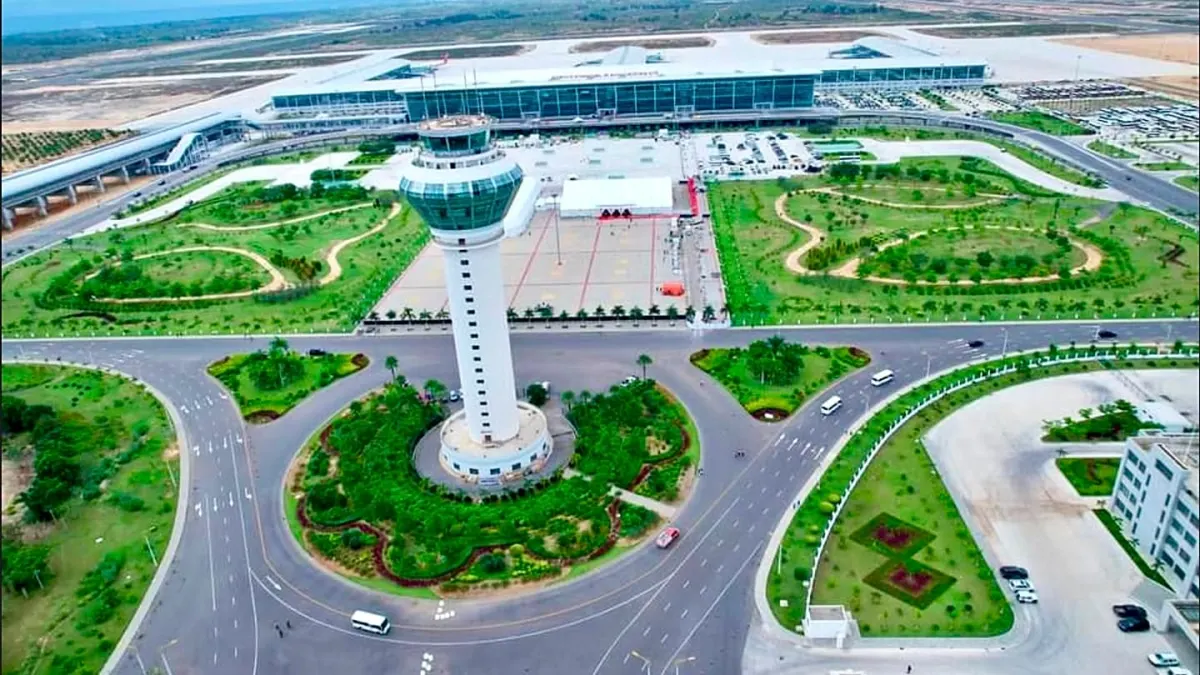
Turkish Airlines dropped its Luanda route as Angola's new airport struggles to attract traffic, handling only 756,028 passengers in 2025.

Red Sea Airlines Leases Two 737 MAX 8s for 2027 Expansion
Red Sea Airlines signed a lease for two Boeing 737 MAX 8 aircraft from SMBC Aviation Capital, arriving in 2027 to support its 14-aircraft fleet goal.
Avelo CEO Warns Airfares May Rise on Jet Fuel Price Spikes
Avelo Airlines CEO Andrew Levy warns that rising fuel costs may force fare increases as global jet fuel prices reach $171.01 per barrel.
IndiGo, Air India Battle for Mumbai-Delhi Route Dominance
IndiGo and the Air India group are competing for dominance on the Mumbai-Delhi air route, which saw 13.9 percent capacity growth this September.