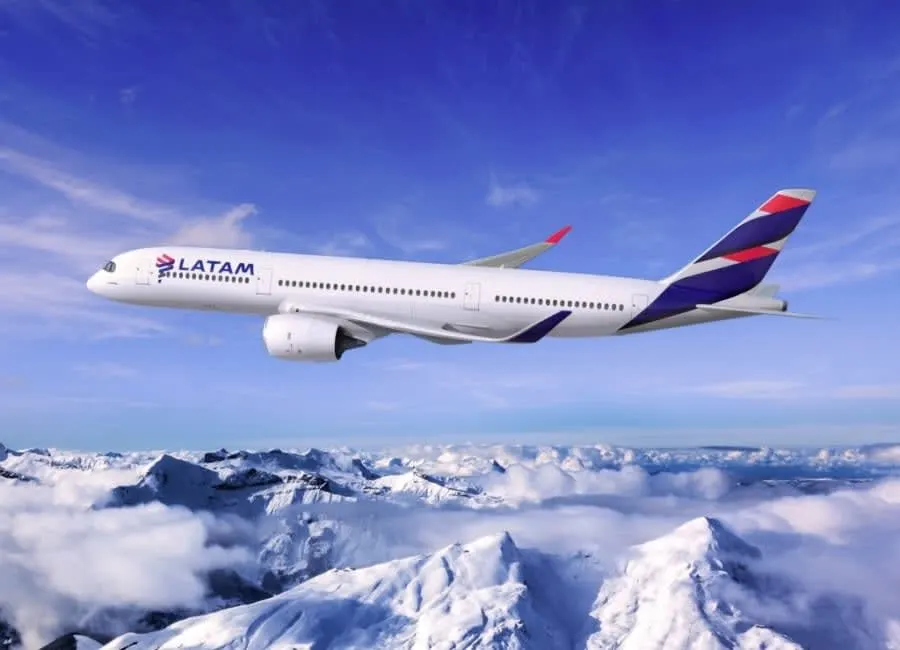
Syzygy & Geo to Develop Sugarcane-Based SAF Projects in Brazil


Syzygy Plasmonics and Geo bio gas&carbon will develop SAF projects in Brazil, using sugarcane waste to meet new national emission reduction mandates.
Key Takeaways
- •Partners to develop commercial-scale SAF projects in Brazil using sugarcane biogas.
- •Targets initial production of 100,000 metric tons of SAF annually, scaling to over 525,000.
- •Aims to meet Brazil's mandate requiring a 1% aviation emissions reduction by 2027.
- •Utilizes all-electric reactor technology to lower the carbon intensity of fuel production.
Syzygy Plasmonics, a technology firm specializing in chemical reactor technology, has entered into a Memorandum of Understanding (MOU) with Brazilian renewable natural gas producer Geo bio gas&carbon to develop commercial-scale Sustainable Aviation Fuel (SAF) projects in Brazil. The partnership aims to convert biogas derived from sugarcane crop residues into low-carbon jet fuel, aligning with Brazil's new national mandates for aviation decarbonization. Initial projects will target a production capacity of up to 100,000 metric tons of SAF per year.
This collaboration leverages Brazil's significant sugarcane industry to create a domestic supply chain for SAF, a critical component for reducing the aviation sector's greenhouse gas emissions. The agreement is timed to meet the requirements of Brazil's Programa Nacional de Combustível Sustentável de Aviação (ProBioQAV), which mandates airlines to reduce CO2 emissions from domestic flights by 1% starting in 2027. By using underutilized agricultural waste streams, the venture addresses both energy production and circular economy principles.
Production Goals and Technology
The partnership's development plan outlines a phased approach, starting with facilities capable of producing up to 100,000 metric tons of SAF annually. According to a press release from Syzygy Plasmonics, the envisioned final aggregate production scale across multiple sites is projected to exceed 525,000 metric tons per year. This initiative is part of Syzygy's broader global goal to support the development of up to 1,000,000 tons of annual SAF production capacity by 2035.
At the core of the project is Syzygy's proprietary GHG e-Reforming™ technology. This process uses a light-driven, all-electric reactor to convert biogas into syngas, a precursor for producing liquid fuels via certified pathways like the Fischer-Tropsch (FT) process. By running on renewable electricity, this method aims to lower both the carbon intensity and operational costs associated with traditional thermochemical fuel production.
“The aviation industry's path to net-zero depends on our ability to transform diverse, often overlooked feedstocks into high-value fuel at an industrial scale,” stated Trevor Best, CEO of Syzygy Plasmonics. The focus on biogas from sugarcane residues, such as bagasse and vinasse, exemplifies this waste-to-fuel production trend.
Regulatory Framework Driving Demand
The venture is directly supported by Brazil's recently established regulatory environment. The "Fuel of the Future" law, enacted in October 2024, created the ProBioQAV program, which establishes a clear and growing demand for SAF. The mandate requires a 1% reduction in Greenhouse Gas (GHG) emissions from 2027, with the target increasing progressively to 10% from 2037 onwards.
This government-led initiative creates a stable market for SAF producers, incentivizing investment in new production technologies and infrastructure. Brazil's framework is also being aligned with the International Civil Aviation Organization's (ICAO) Carbon Offsetting and Reduction Scheme for International Aviation (CORSIA), ensuring its SAF meets global standards.
Brazil's energy landscape provides a strong foundation for such projects. According to ICAO data, Brazil's energy matrix was approximately 49% renewable in 2023. Sugarcane biomass already plays a significant role, comprising 16.9% of the total energy consumed in the country. The partnership between Syzygy and Geo bio gas&carbon builds upon this existing strength, focusing on converting waste byproducts into advanced aviation fuel. As noted by UNICA, the Brazilian Sugarcane and Bioenergy Industry Association, SAF produced from such feedstocks can reduce life-cycle GHG emissions by up to 80% compared to conventional jet fuel.
Why This Matters
This agreement represents a significant step in establishing a scalable, domestic SAF supply chain within a major aviation market. It demonstrates how new government mandates can directly stimulate private investment and technological innovation in the renewable fuels sector. By leveraging Brazil's extensive agricultural resources and deploying an electrified production process, the partnership provides a model for converting regional biomass waste into a globally traded, high-value commodity essential for aviation decarbonization.
Visit omniflights.com for the latest commercial aviation news and airline industry updates. Get the latest updates on major hubs, regional terminals, and airport operations via the Airports section at omniflights.com/airports.

Written by Ujjwal Sukhwani
Aviation News Editor & Industry Analyst delivering clear coverage for a worldwide audience. Covers flight operations, safety regulations, and market trends with expert analysis.
Visit ProfileYou Might Also Like

American Airlines Flies First U.S. eSAF Passenger Flight
Akasa Air Partners with BPCL to Advance SAF in India

Delta, Shell Aviation Ink 5-Year SAF Supply Agreement
Indonesia to Mandate 1% SAF Blend for Flights by 2027
Gulfstream G800 Completes 100% SAF High-Altitude Emissions Test