Sydney Airport Study Finds Strong Public Backing for Domestic SAF

Co-Founder & CEOAviation News Editor delivering trusted coverage across the global aviation industry.
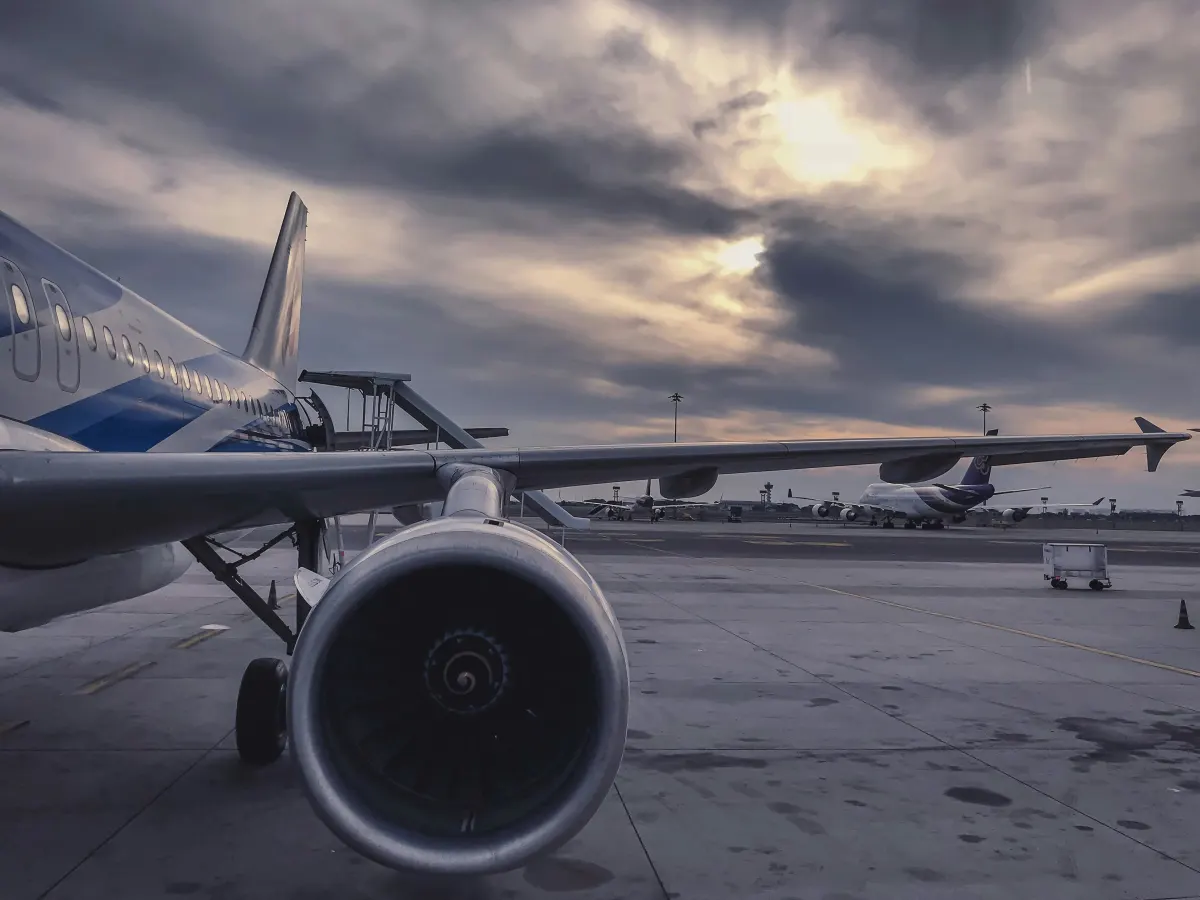
New Sydney Airport research shows 72% of Australians support a domestic SAF industry to create jobs and enhance the nation's fuel security.
Key Takeaways
- •Finds 72% of Australians support a domestic SAF industry for jobs and fuel security.
- •Estimates a local renewable fuels sector could be worth over $10 billion annually.
- •Shows 69% of passengers are willing to pay more in fares to support SAF.
- •Highlights Australia's risk of lagging regional competitors without SAF mandates.
New research commissioned by Sydney Airport reveals overwhelming public support for the establishment of a domestic Sustainable Aviation Fuel (SAF) industry in Australia. The findings indicate that 72% of Australians back local production once educated on its benefits, which include creating regional jobs, reducing carbon emissions, and bolstering national fuel security. This groundswell of support emerges as Australia confronts its reliance on imported jet fuel and the risk of falling behind regional competitors in the renewable fuels sector.
The study highlights a significant opportunity for Australia to leverage its agricultural resources into a major economic driver. According to a joint report from the Low Carbon Fuels Alliance and Bioenergy Australia, a domestic renewable fuels sector could be worth more than $10 billion annually and support over 26,000 jobs. The research further found that 69% of respondents are willing to accept a modest increase in airfares to help fund the industry's development, signaling strong consumer buy-in for aviation's energy transition.
Research Findings and Public Sentiment
The survey data, released in March 2026, provides a clear mandate for policy action. According to the Sydney Airport press release, nearly 70% of Australians support the use of Sustainable Aviation Fuel (SAF)—a lower-carbon alternative to conventional jet fuel produced from renewable feedstocks—once they understand what it is. The primary motivators for this support are the desire to reduce aircraft emissions, cited by 57% of respondents, and to enhance Australia's fuel security, a concern for 45%.
Scott Charlton, CEO of Sydney Airport, emphasized the dual benefits of a local industry. "Locally producing SAF wouldn't just make flying more sustainable, it would create jobs, support our farmers and strengthen our fuel security," Charlton stated. He urged the government to implement mandates to stimulate domestic production, preventing valuable Australian feedstock, such as agricultural waste and used cooking oil, from being exported for processing overseas.
Echoing this sentiment, Shahana McKenzie, CEO of Bioenergy Australia, noted the practical advantages. "Renewable fuels made from Australian feedstocks give us a practical and sustainable way of strengthening our fuel security while reducing emissions," McKenzie said.
The Economic and Security Imperative
Australia's current energy posture presents significant vulnerabilities. The nation holds only a few weeks of liquid fuel reserves, leaving it exposed to international supply chain disruptions, particularly those stemming from geopolitical instability. Developing a domestic SAF industry is positioned as a critical step toward energy independence.
The Australian Government has already committed $1.1 billion to support low-carbon liquid fuels, including SAF and renewable diesel. However, industry advocates, including Sydney Airport, argue that demand-side policies like SAF mandates are essential to attract global investment and scale up production. Without such mandates, Australia risks continuing to export its raw materials rather than building a value-added domestic processing industry.
This policy gap is highlighted in the Asia-Pacific Low Carbon Fuels Benchmark report, which warns that Australia is lagging behind regional competitors like Indonesia, Malaysia, and Thailand in establishing its renewable fuel capabilities. A failure to act could see investment and jobs flow to other nations in the region.
Global Precedents and Stakeholder Impact
The case for government intervention is supported by international examples. In August 2022, the United States' Inflation Reduction Act (IRA) introduced a blenders tax credit that spurred massive private investment in American SAF production facilities. Similarly, the European Union's ReFuelEU Aviation mandate, passed in October 2023, established a minimum share of SAF at all EU airports, creating a guaranteed market that drives production. This is the type of demand-side policy framework advocates believe is needed in Australia.
The development of a domestic industry would have a profound impact on several key stakeholders. For the Australian agricultural sector, it would create a new, lucrative domestic market for crops and waste products. For airlines like Qantas and Virgin Australia, a local SAF supply would help meet net-zero targets and reduce exposure to volatile global fuel markets. Most significantly, it promises to revitalize regional Australian communities with thousands of new jobs and substantial economic activity centered on biorefineries.
However, the transition is not without challenges. Environmental NGOs caution that a reliance on agricultural feedstocks must be carefully regulated to avoid unintended consequences like deforestation. Additionally, aviation economists note that SAF is currently more expensive than conventional jet fuel, which could lead to increased ticket prices until production reaches scale.
What Comes Next
With public support established and a clear economic case made, the focus now shifts to government action. The Australian Government is expected to consider the implementation of national SAF mandates between 2026 and 2027. This policy decision will be a critical milestone in determining whether Australia can build a self-sufficient renewable fuel industry or will remain dependent on imported energy.
Why This Matters
This research crystallizes a pivotal choice for Australia's aviation and energy future. The findings demonstrate a clear public appetite for a domestic SAF industry that aligns environmental goals with economic growth and national security. The next 24 months will be crucial in shaping the policy landscape that will either catalyze a multi-billion dollar industry or see the opportunity captured by more agile regional competitors.
Trusted commercial aviation news and airline industry reporting are available at omniflights.com. Stay informed on aviation incidents, investigations, and best practices in the Safety category at omniflights.com/safety.
Written by Hardik Vishwakarma
Co-Founder & Aviation News Editor leading initiatives that improve trust and visibility across the global aviation industry. Covers airlines, airports, safety, and emerging technology.
Visit ProfileYou Might Also Like
Discover more aviation news based on similar topics

American Airlines Flies First U.S. eSAF Passenger Flight
American Airlines completed the first U.S. commercial flight using Infinium eSAF, a synthetic fuel that reduces lifecycle emissions by over 90%.

Akasa Air Partners with BPCL to Advance SAF in India
Akasa Air signed an MoU with BPCL to establish a SAF supply framework ahead of India's expected 1% blending mandate by 2027.

Delta, Shell Aviation Ink 5-Year SAF Supply Agreement
Delta Air Lines and Shell Aviation have signed a five-year agreement to supply Sustainable Aviation Fuel across five major U.S. hubs through 2030.
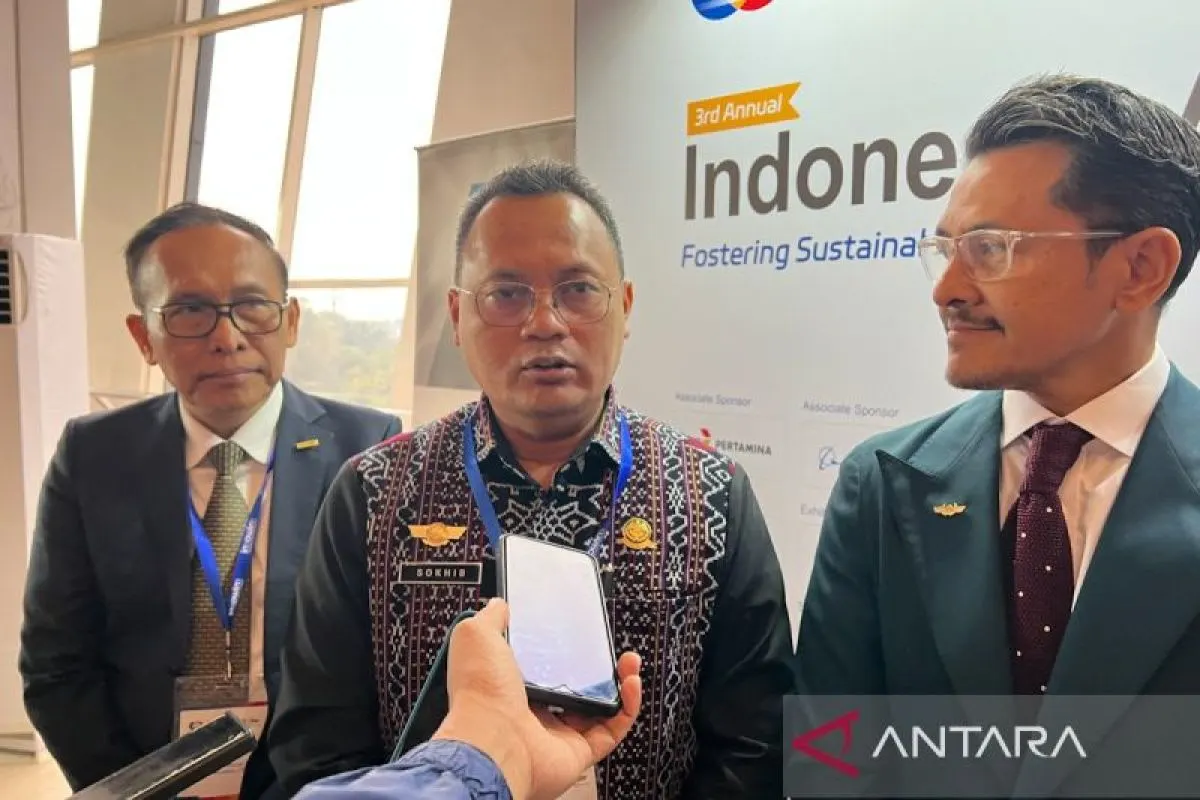
Indonesia to Mandate 1% SAF Blend for Flights by 2027
Indonesia will require a 1% Sustainable Aviation Fuel blend on international flights departing from Jakarta and Bali starting in 2027.
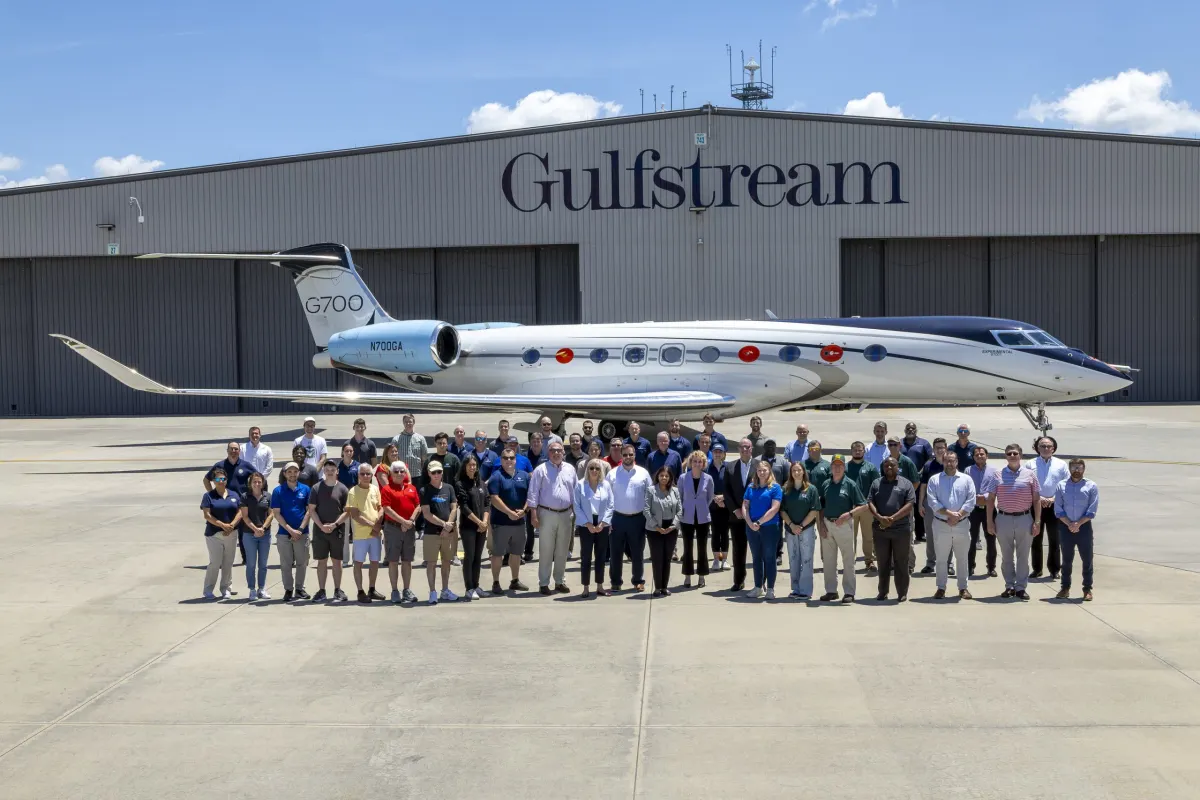
Gulfstream G800 Completes 100% SAF High-Altitude Emissions Test
Gulfstream tested 100% SAF on a G800 at 50,000 feet to measure emissions, marking a key step toward certifying unblended synthetic fuels.

LATAM Airlines Operates First SAF-Linked Passenger Charters
LATAM Airlines Group and PONANT completed 13 charter flights using SAF, reducing 160 tonnes of CO2 emissions via a book-and-claim methodology.