Siemens and Caphenia Partner to Scale Sustainable Aviation Fuel Production

Co-Founder & CEOAviation News Editor delivering trusted coverage across the global aviation industry.

Siemens and Caphenia have partnered to scale Sustainable Aviation Fuel production using automation and digitalization for Caphenia's plasma technology.
Key Takeaways
- •Partners to scale synthetic kerosene production using plasma technology
- •Targets over 86% energy efficiency and up to 80% CO2 reduction
- •Aims to meet EU's ReFuelEU mandate requiring 1.2% synthetic SAF by 2030
- •Utilizes Siemens Xcelerator for automation and digital twin modeling
Siemens has entered a strategic partnership with cleantech company Caphenia to accelerate the industrial-scale production of Sustainable Aviation Fuel (SAF). The collaboration will leverage Siemens' automation and digitalization portfolio to scale Caphenia's innovative plasma technology, a critical step toward meeting impending regulatory mandates for synthetic fuels, including the European Union's ReFuelEU Aviation regulation.
The partnership aims to address one of the primary bottlenecks in aviation decarbonization: the lack of scalable, efficient production methods for synthetic kerosene. By integrating Siemens' Xcelerator platform, which includes process automation and digital twin capabilities, the two companies plan to create a standardized, modular template for SAF production facilities. This approach is designed to enable rapid global deployment, moving away from bespoke plant construction and toward industrialized manufacturing.
Core Technology and Regulatory Drivers
At the heart of the collaboration is Caphenia’s proprietary Plasma Boudouard Reactor (PBR), a 3-in-1 zone reactor that converts bio-methane and CO2 into synthesis gas (syngas), a precursor for synthetic fuels. According to a Siemens press release, the process, known as Power-and-Biogas-to-Liquid (PBtL), operates at approximately 1,500 degrees Celsius. The technology achieves an energy efficiency of over 86% by capturing and reusing process heat to preheat the incoming bio-methane feedstock. The resulting SAF is projected to reduce CO2 emissions by up to 80% compared to conventional fossil-based kerosene.
The timing of this industrial scale-up is directly linked to binding European regulations. The ReFuelEU Aviation Regulation (EU) 2023/2405 mandates a minimum 2% SAF blend at all EU airports starting in 2025. Crucially for this partnership, the regulation includes a sub-mandate specifically for synthetic fuels, or e-SAF, starting at 1.2% by 2030 and rising to 35% by 2050. This creates a guaranteed market for advanced Power-to-Liquid (PtL) technologies like Caphenia's.
Christian Gückel of Siemens emphasized that meeting the exponential demand for SAF requires industrialized and standardized production templates. Similarly, Caphenia CEO Dr. Mark Misselhorn noted that the SAF market will reward companies that can scale quickly through robust industrial partnerships.
This development will have a direct impact on European airlines, which must procure sufficient e-SAF to comply with the 2030 mandate and avoid significant non-compliance penalties. Aviation fuel suppliers will also need to establish new procurement contracts with producers like Caphenia to integrate synthetic fuels into their supply chains at EU airports.
Context and Technical Comparison
This partnership reflects a broader industry trend toward digitalization and the advancement of PtL fuel pathways. While SAF derived from hydroprocessed esters and fatty acids (HEFA) is the most mature pathway today, its scalability is limited by the availability of waste oil and fat feedstocks. Synthetic fuels are seen as essential for meeting long-term decarbonization targets.
Historically, the groundwork for this scale-up was laid in May 2024, when Caphenia signed a Memorandum of Understanding with Emerging Fuels Technology (EFT) to integrate its syngas production with EFT's Fischer-Tropsch platform, which converts syngas into liquid fuels. The Siemens partnership now provides the industrial automation layer needed to commercialize this integrated process. The move follows a pattern seen with the January 2024 opening of the LanzaJet Freedom Pines Fuels plant, the world's first commercial-scale ethanol-to-jet facility, demonstrating the industry's shift from pilot projects to full-scale production.
Caphenia PBtL vs. Conventional HEFA SAF
| Metric | Caphenia PBtL Process | Conventional HEFA SAF |
|---|---|---|
| Feedstock | Bio-methane and CO2 | Waste oils and fats |
| Process Efficiency | >86% | Variable |
| Primary Constraint | Renewable electricity availability | Waste oil supply limits |
Despite the technological promise, economic and environmental concerns remain. The European Union Aviation Safety Agency (EASA) has highlighted that e-SAF production is highly energy-intensive and currently costs three to ten times more than conventional jet fuel. Furthermore, some environmental organizations have raised concerns that reliance on bio-methane must not create incentives for unsustainable agricultural practices.
What Comes Next
The immediate goal of the partnership is to finalize the standardized design for a commercial-scale Caphenia PBR plant, a milestone expected between 2026 and 2027. Following this, the companies anticipate a rapid rollout of modular production facilities to meet the first major regulatory deadline. The ReFuelEU mandate, confirmed by the European Union, will require a 1.2% e-SAF blend by January 1, 2030, a target that will require a significant number of new production facilities to come online.
Why This Matters
This Siemens-Caphenia partnership represents a critical step in industrializing the production of synthetic SAF. By creating a replicable, digitally-managed blueprint for advanced fuel plants, it directly addresses the aviation industry's primary challenge of scaling SAF supply to meet both decarbonization goals and stringent regulatory timelines. The success of this model could provide a viable pathway for producing the vast quantities of e-SAF required for the sector to achieve its net-zero ambitions.
For global airline trends and commercial aviation news, turn to omniflights.com. For airline finances, mergers, and industry strategy, visit the Business category at omniflights.com/business.
Written by Hardik Vishwakarma
Co-Founder & Aviation News Editor leading initiatives that improve trust and visibility across the global aviation industry. Covers airlines, airports, safety, and emerging technology.
Visit ProfileYou Might Also Like
Discover more aviation news based on similar topics

American Airlines Flies First U.S. eSAF Passenger Flight
American Airlines completed the first U.S. commercial flight using Infinium eSAF, a synthetic fuel that reduces lifecycle emissions by over 90%.
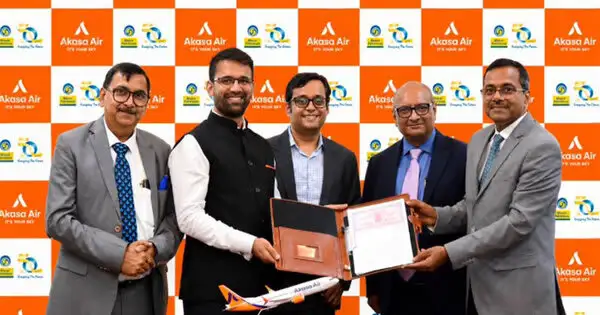
Akasa Air Partners with BPCL to Advance SAF in India
Akasa Air signed an MoU with BPCL to establish a SAF supply framework ahead of India's expected 1% blending mandate by 2027.

Delta, Shell Aviation Ink 5-Year SAF Supply Agreement
Delta Air Lines and Shell Aviation have signed a five-year agreement to supply Sustainable Aviation Fuel across five major U.S. hubs through 2030.
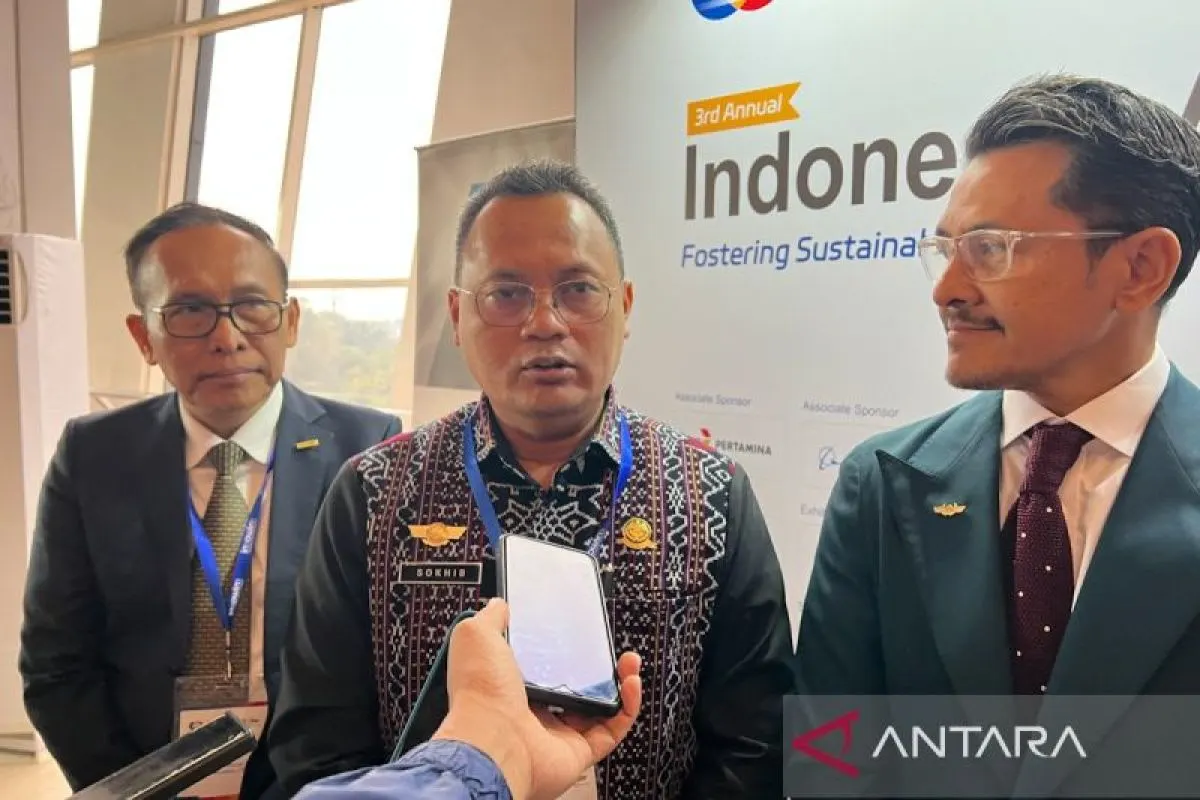
Indonesia to Mandate 1% SAF Blend for Flights by 2027
Indonesia will require a 1% Sustainable Aviation Fuel blend on international flights departing from Jakarta and Bali starting in 2027.
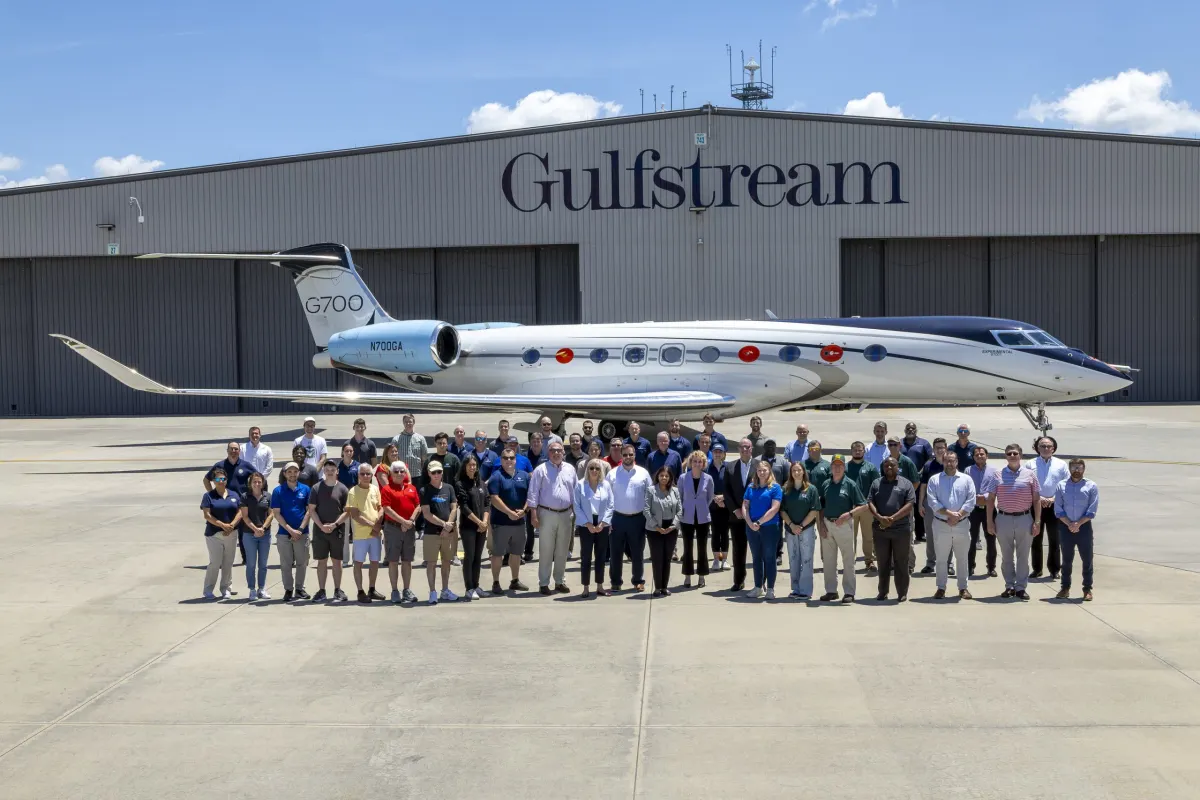
Gulfstream G800 Completes 100% SAF High-Altitude Emissions Test
Gulfstream tested 100% SAF on a G800 at 50,000 feet to measure emissions, marking a key step toward certifying unblended synthetic fuels.
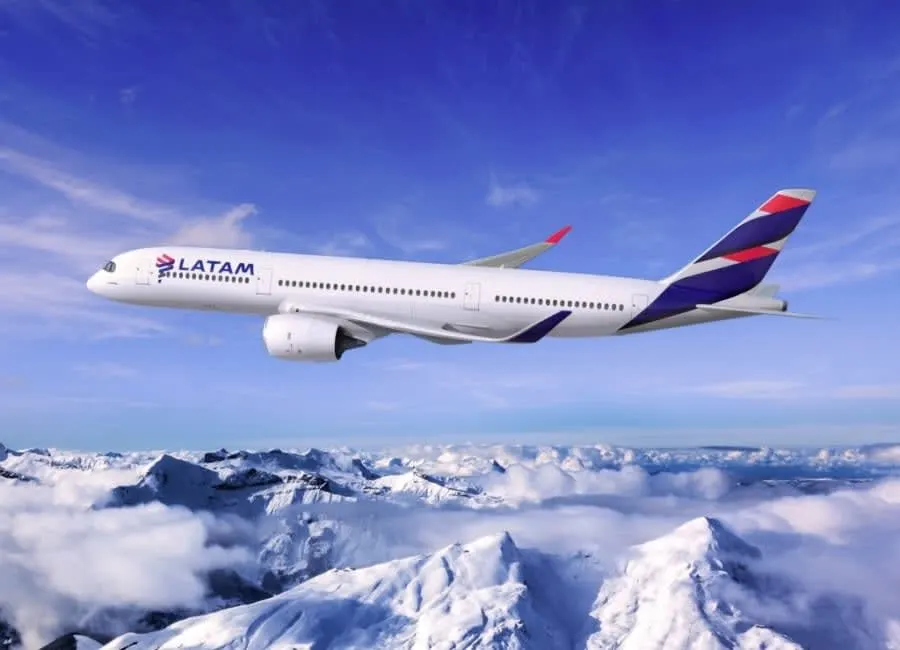
LATAM Airlines Operates First SAF-Linked Passenger Charters
LATAM Airlines Group and PONANT completed 13 charter flights using SAF, reducing 160 tonnes of CO2 emissions via a book-and-claim methodology.