SAS Orders 40 Airbus Widebodies for $10B Fleet Expansion

Co-Founder & CEOAviation News Editor delivering trusted coverage across the global aviation industry.
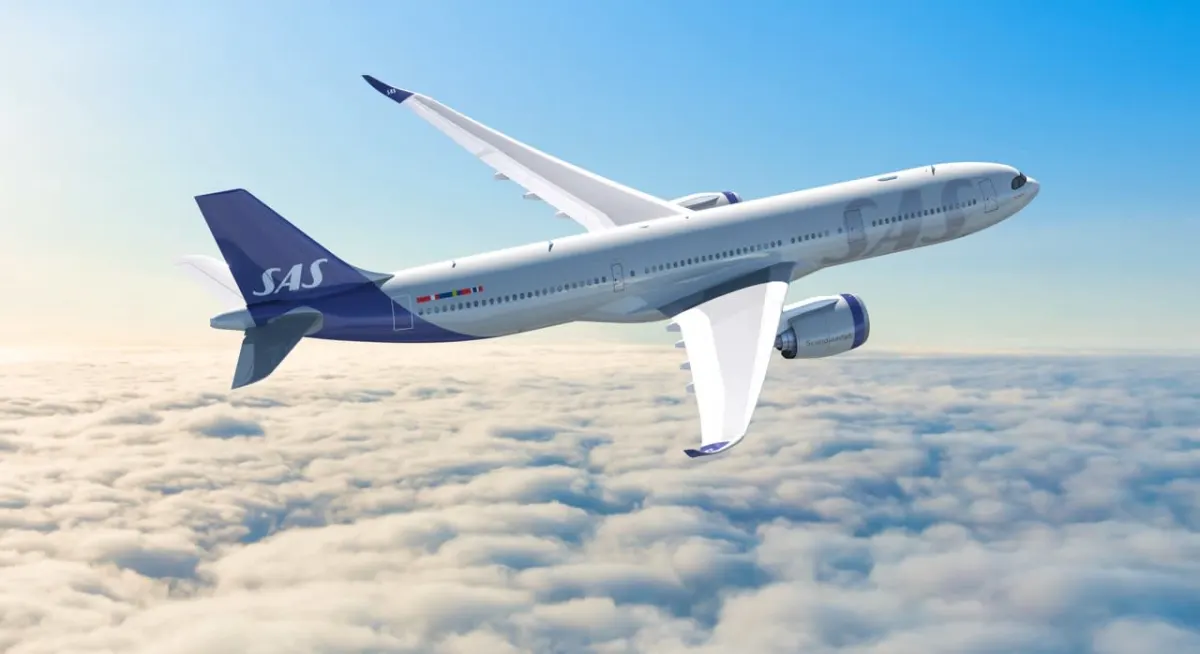
SAS has placed a $10 billion order for 40 Airbus widebody aircraft to consolidate its long-haul operations at its Copenhagen hub.
Key Takeaways
- •SAS ordered 18 firm A330-900neos as part of a 40-aircraft deal.
- •The fleet expansion investment is valued at over $10 billion.
- •SAS will consolidate its long-haul hub operations at Copenhagen Airport.
- •A330neo aircraft reduce fuel burn and operating costs by 25%.
SAS Fleet Modernization and Long-Haul Strategy
Scandinavian Airlines System (SAS) has announced its largest-ever fleet investment, initiating a $10 billion order for up to 40 Airbus widebody aircraft. This strategic SAS Airbus A330neo order includes 18 firm A330-900neo aircraft, 10 options, and 12 A330-300s. The move marks a significant step in the carrier's broader effort to modernize its fleet following its recent restructuring.
This investment supports a fundamental shift in the airline's network strategy. SAS is centralizing its intercontinental long-haul growth at Copenhagen Airport (CPH). By consolidating operations away from a split-hub model across Stockholm and Oslo, the airline aims to maximize connectivity and operational efficiency. The expansion is projected to support 25,000 additional jobs and contribute DKK 25 billion to the Danish economy by 2030.
Technical Specifications: A330-900neo vs. A330-300
The A330neo (New Engine Option) provides substantial performance improvements over previous generations. The aircraft features a 25% reduction in fuel burn, CO2 emissions, and operating costs compared to competing legacy models. Notably, the A330-900 retains 95% commonality in airframe parts with the A330-300, which simplifies maintenance and crew training.
| Metric | A330-900neo | A330-300 |
|---|---|---|
| Range | 8,100 nm (15,000 km) | 6,350 nm (11,750 km) |
| Fuel Efficiency | 25% less fuel burn vs baseline | Baseline |
| Airframe Commonality | 95% shared parts | Baseline |
Fleet Renewal and Sustainability
The decision aligns with industry trends toward widebody fleet renewal and upgauging. SAS President and CEO Anko van der Werff stated that the A330-900neo combines outstanding economics with improved environmental performance, enabling an exceptional customer experience. The aircraft is currently certified to operate on 50% Sustainable Aviation Fuel (SAF), with Airbus aiming for 100% SAF certification by 2030 to meet European environmental regulations.
This order follows the 2025 procurement of 55 Embraer E195-E2 regional jets, indicating a comprehensive overhaul of the airline's total network capacity. While the hub consolidation strategy promises efficiency, some aviation infrastructure analysts note that stakeholders in Sweden and Norway may perceive reduced direct international connectivity as a result of the Copenhagen-centric focus.
The Copenhagen Hub Expansion
The focus on Copenhagen is expected to drive significant traffic growth, though it creates a divergence from the strategies of regional competitors. Historically, the aggressive, multi-base long-haul expansion attempted by Norwegian Air Shuttle between 2013 and 2019 led to financial overextension. SAS aims to avoid this outcome by concentrating resources at a single primary hub, a strategy intended to ensure long-term stability and profitability.
Future Milestones for the A330 Fleet
SAS expects to begin the integration of the additional A330-300 aircraft between 2026 and 2027 to bolster near-term capacity. Meanwhile, the broader industry continues to track the 100% SAF compatibility certification for the A330 family, which remains a key milestone for Airbus scheduled for 2030.
Why the Copenhagen Hub Matters
For SAS, this investment is a critical hedge against rising operating costs and a move to capture higher-yield connecting traffic. The concentration at Copenhagen Airport serves as the backbone of the airline's intercontinental recovery, signaling a commitment to a leaner, more efficient hub-and-spoke operation. For passengers and regulators, the move represents a significant shift in the competitive landscape of the Nordic aviation market.
Frequently Asked Questions
- How many aircraft did SAS order in its latest fleet expansion?
- SAS ordered up to 40 Airbus widebody aircraft, which includes 18 firm A330-900neo units, 10 options, and 12 A330-300 aircraft.
- What is the primary hub for the new SAS long-haul expansion?
- SAS is consolidating its long-haul intercontinental expansion at Copenhagen Airport (CPH) to maximize efficiency and connectivity.
- Why is the A330neo more efficient than older aircraft models?
- The A330neo features improved engines and design updates that reduce fuel burn, CO2 emissions, and operating costs by 25% compared to previous-generation widebody aircraft.
From airline operations to fleet updates, commercial aviation news lives at omniflights.com. Follow aviation sustainability efforts, emissions research, and green initiatives in the Environmental section at omniflights.com/environmental.
Written by Hardik Vishwakarma
Co-Founder & Aviation News Editor leading initiatives that improve trust and visibility across the global aviation industry. Covers airlines, airports, safety, and emerging technology.
Visit ProfileYou Might Also Like
Discover more aviation news based on similar topics
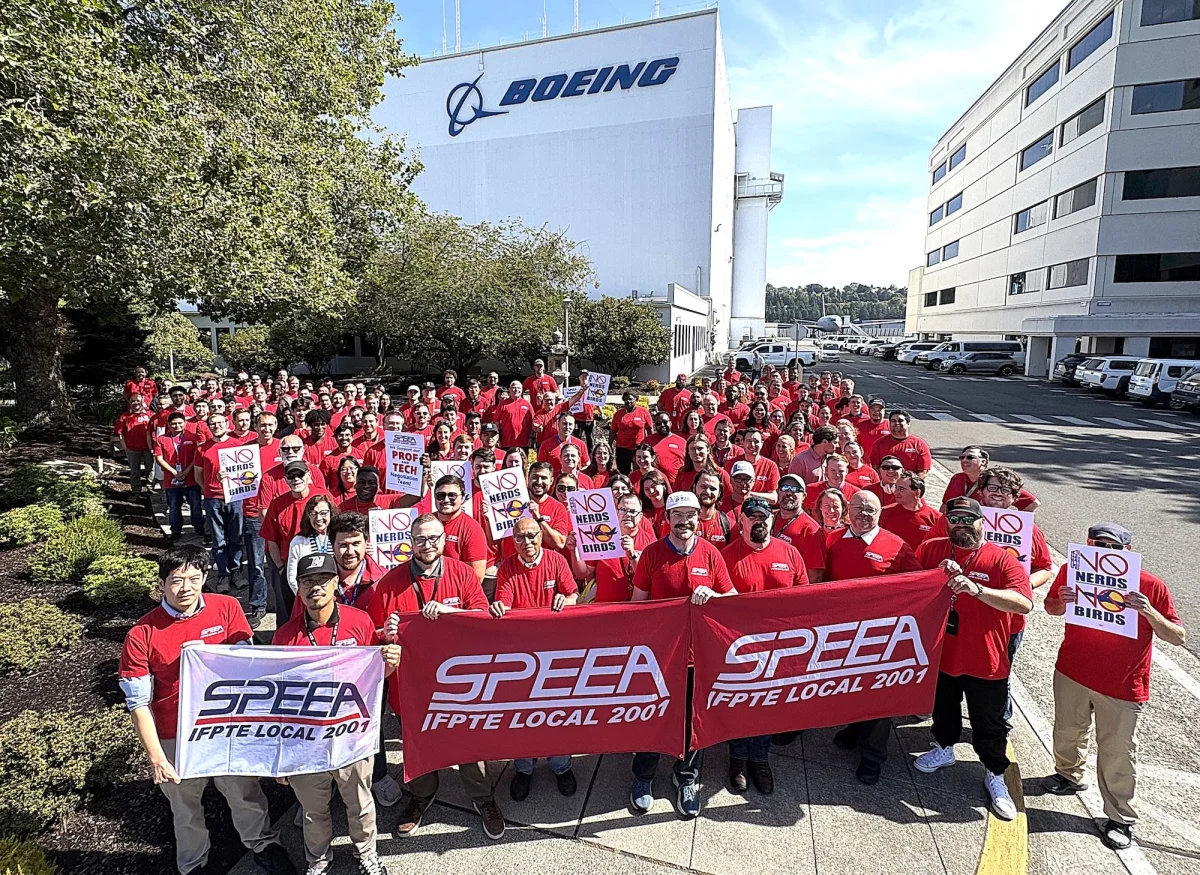
Boeing Tightens Spending Ahead of Critical SPEEA Union Vote
Boeing has implemented spending controls and a hiring freeze as it faces a critical contract ratification vote with its 17,000-member engineering union.

Boeing CEO Kelly Ortberg Warns of 777X Certification Delay
Boeing CEO Kelly Ortberg warned that a potential strike by 17,000 engineers would immediately halt the 777X certification and production programs.
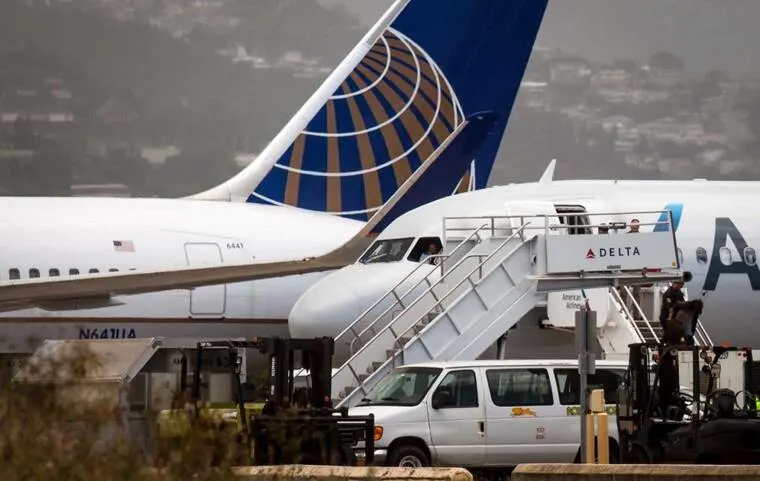
American and United Plan Capacity Cuts Amid Fuel Cost Surge
American and United are trimming flight schedules to offset a $1 billion fuel cost spike while maintaining strong pricing power.
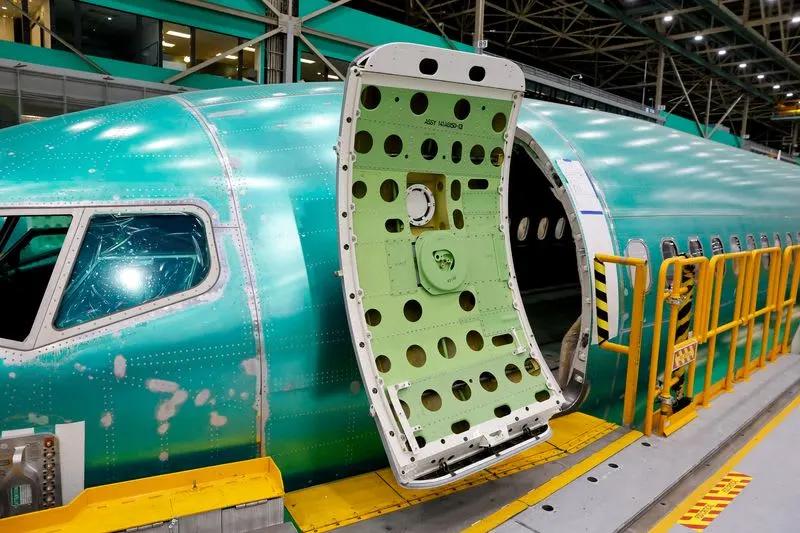
Boeing CEO Reports 737 MAX Output Stabilization Delays
Boeing CEO Kelly Ortberg reports slower 737 MAX production stabilization, prompting a downward revision in 2026 free cash flow expectations to $2 billion.
Boeing Finalizes KAL Order, Salvages Turkish Airlines Deal
Boeing secured a $36.2 billion order from Korean Air Lines for 103 aircraft and nears a resolution on a 150-jet deal with Turkish Airlines.
Airbus Forecasts 42,000 New Jets Amid Strong Global Demand
Airbus expects 42,000 new aircraft deliveries globally by 2045, with 45% of demand concentrated in the Asia-Pacific region.