Rolls-Royce, Equilibrion to Explore Nuclear-Powered SAF Production

Aviation News Editor & Industry AnalystAviation News Editor & Industry Analyst delivering clear coverage for a worldwide audience.

Rolls-Royce SMR and Equilibrion signed an MoU to explore using nuclear reactors to power large-scale sustainable aviation fuel production.
Key Takeaways
- •Partners to explore using 470 MWe Small Modular Reactors for e-SAF production.
- •Targets production of over 160 million litres of SAF annually per facility.
- •Aims to meet the UK's Power-to-Liquids mandate which begins in 2028.
- •Each facility could create approximately 10,000 skilled jobs over its lifetime.
Rolls-Royce SMR and Equilibrion have signed a Memorandum of Understanding (MoU) to assess the use of nuclear energy for large-scale production of synthetic Sustainable Aviation Fuel (SAF). The collaboration will explore pairing Rolls-Royce's Small Modular Reactor (SMR) technology with Equilibrion's 'Eq.flight' system to produce low-carbon electro-Sustainable Aviation Fuel (e-SAF). According to a joint press release, a single SMR facility could support the production of more than 160 million litres of SAF annually.
This initiative directly addresses one of the primary obstacles to aviation decarbonization: the immense energy required to produce synthetic fuels at scale. The Power-to-Liquids (PtL) process, which creates e-SAF from captured carbon dioxide and green hydrogen, is highly energy-intensive. This partnership proposes using the continuous, low-carbon baseload power from an SMR to overcome the intermittency challenges associated with renewable energy sources like wind and solar, which can limit the capacity factors of e-SAF plants.
Technical Framework and Production Goals
The collaboration centers on the Rolls-Royce SMR, a factory-built nuclear power plant designed to produce 470 Megawatts electrical (MWe) of power from a compact footprint. This clean electricity and heat would power Equilibrion’s 'Eq.flight' production system. According to Equilibrion, a single SMR-powered facility could fulfill approximately one-third of the UK's projected 2040 requirement for PtL-derived SAF.
"Our SMR technology is designed to provide clean, affordable and dependable low-carbon energy, exactly the qualities required to unlock large-scale Sustainable Aviation Fuel production," stated Alan Woods, Director of Strategy and Business Development for Rolls-Royce SMR.
Caroline Longman, Director at Equilibrion, emphasized the need for scale and reliability. "Aviation can only meet its climate commitments if SAF is available in large, dependable volumes," she said. "Nuclear-derived fuel production offers the reliability, scalability and low carbon intensity needed to deliver that future." Beyond fuel production, Equilibrion projects that each facility could generate around 10,000 skilled local jobs over its operational lifetime.
Regulatory and Market Drivers
The project is underpinned by a robust regulatory framework in the United Kingdom. The UK SAF Mandate, established by the UK Department for Transport (DfT), requires that 10% of all aviation fuel supplied in the country be SAF by 2030, increasing to 22% by 2040. This mandate creates the foundational market demand for alternative fuels.
More specifically, a Power-to-Liquid (PtL) Obligation within the mandate directly incentivizes the type of synthetic fuel this partnership aims to produce. The sub-mandate requires 0.2% of jet fuel to be e-SAF starting in 2028, a figure that rises to 3.5% by 2040. This regulatory structure provides a guaranteed market for capital-intensive projects like nuclear-powered e-SAF facilities, a crucial factor given the historical precedent set in April 2024 when the UK government legally confirmed these binding targets.
Industry Impact and Alternative Views
The direct integration of advanced nuclear reactors with industrial chemical processes represents a significant trend in the energy sector. For Equilibrion, the partnership provides a pathway to overcome the primary scaling barrier for e-SAF. For UK-based airlines, it offers the prospect of a stable, domestic supply of synthetic fuel needed to comply with government mandates, potentially reducing reliance on costly imports.
However, the approach is not without its critics. Environmental advocacy groups often express opposition to any expansion of nuclear energy, citing concerns over long-term radioactive waste storage and high upfront capital costs. These groups typically advocate for e-SAF production powered exclusively by renewables. Furthermore, some energy market analysts remain skeptical, warning that the economic viability and deployment timelines for SMRs are still unproven. Any significant delays in bringing SMRs online could create a bottleneck for e-SAF production schedules.
Pathway to Production
The collaboration marks the beginning of a multi-year development process. Several key milestones will determine the project's trajectory. The UK's PtL Obligation is confirmed to commence in 2028, establishing the initial market. According to Equilibrion and the DfT, the delivery of an Eq.flight UK demonstration plant is expected by 2030. Looking further ahead, the first grid connection for a Rolls-Royce SMR is anticipated in the mid-2030s, subject to regulatory approvals and final investment decisions.
Why This Matters
This MoU between Rolls-Royce SMR and Equilibrion signals a pivotal shift in the strategy for decarbonizing aviation. It moves the conversation beyond biofuels and renewable-powered e-fuels to include next-generation nuclear as a viable, large-scale energy source for SAF production. If successful, this model could provide a blueprint for producing the vast quantities of synthetic fuel required to meet the industry's ambitious net-zero targets.
Stay ahead of the airline industry with commercial aviation news from omniflights.com. From aircraft production to supply chains, commercial aviation manufacturing news is covered at omniflights.com/manufacturing.
Written by Ujjwal Sukhwani
Aviation News Editor & Industry Analyst delivering clear coverage for a worldwide audience. Covers flight operations, safety regulations, and market trends with expert analysis.
Visit ProfileYou Might Also Like
Discover more aviation news based on similar topics

American Airlines Flies First U.S. eSAF Passenger Flight
American Airlines completed the first U.S. commercial flight using Infinium eSAF, a synthetic fuel that reduces lifecycle emissions by over 90%.
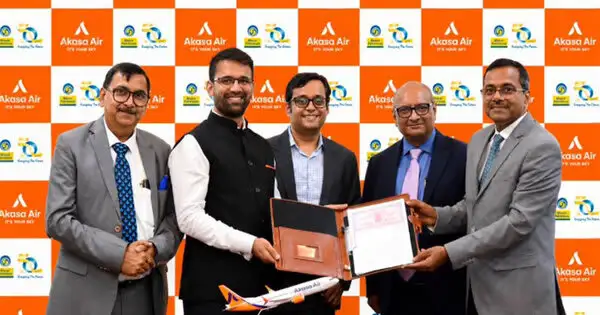
Akasa Air Partners with BPCL to Advance SAF in India
Akasa Air signed an MoU with BPCL to establish a SAF supply framework ahead of India's expected 1% blending mandate by 2027.

Delta, Shell Aviation Ink 5-Year SAF Supply Agreement
Delta Air Lines and Shell Aviation have signed a five-year agreement to supply Sustainable Aviation Fuel across five major U.S. hubs through 2030.
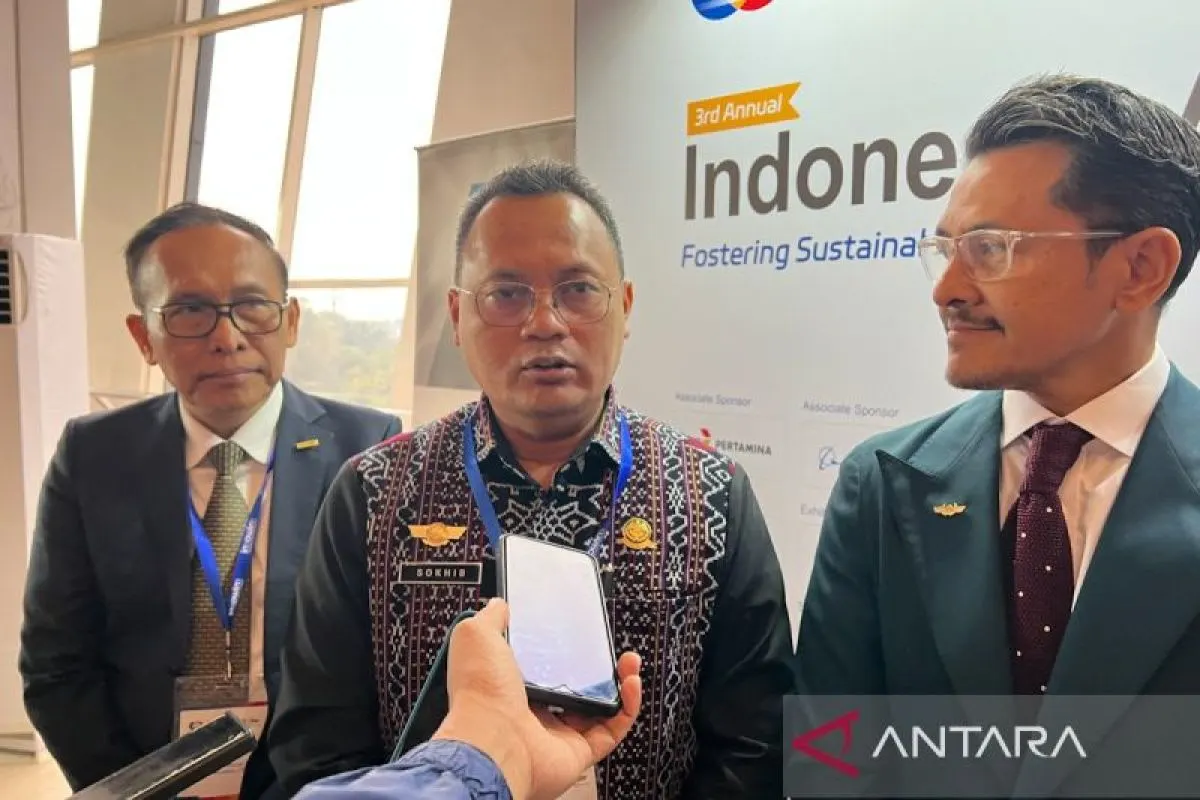
Indonesia to Mandate 1% SAF Blend for Flights by 2027
Indonesia will require a 1% Sustainable Aviation Fuel blend on international flights departing from Jakarta and Bali starting in 2027.
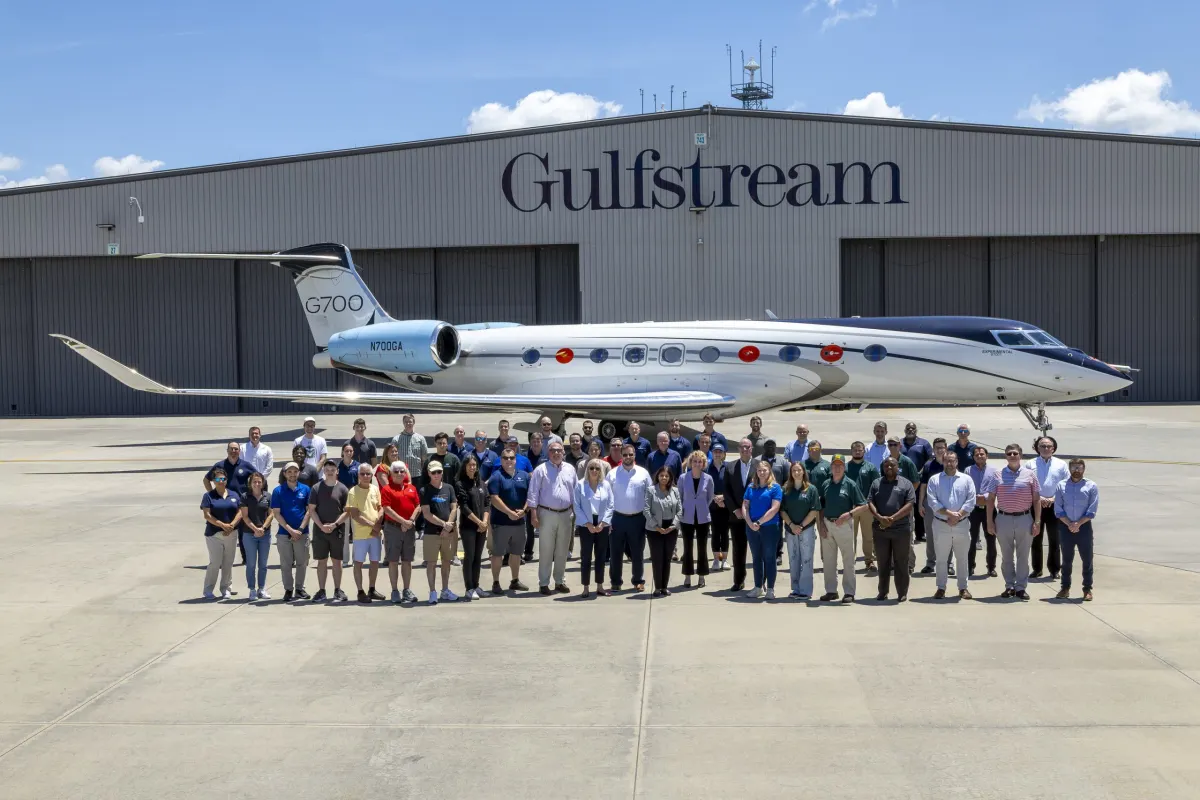
Gulfstream G800 Completes 100% SAF High-Altitude Emissions Test
Gulfstream tested 100% SAF on a G800 at 50,000 feet to measure emissions, marking a key step toward certifying unblended synthetic fuels.

LATAM Airlines Operates First SAF-Linked Passenger Charters
LATAM Airlines Group and PONANT completed 13 charter flights using SAF, reducing 160 tonnes of CO2 emissions via a book-and-claim methodology.