Passenger Conflict Over Seat Recline Highlights Shrinking Cabin Space

Aviation News Editor & Industry AnalystAviation News Editor & Industry Analyst delivering clear coverage for a worldwide audience.
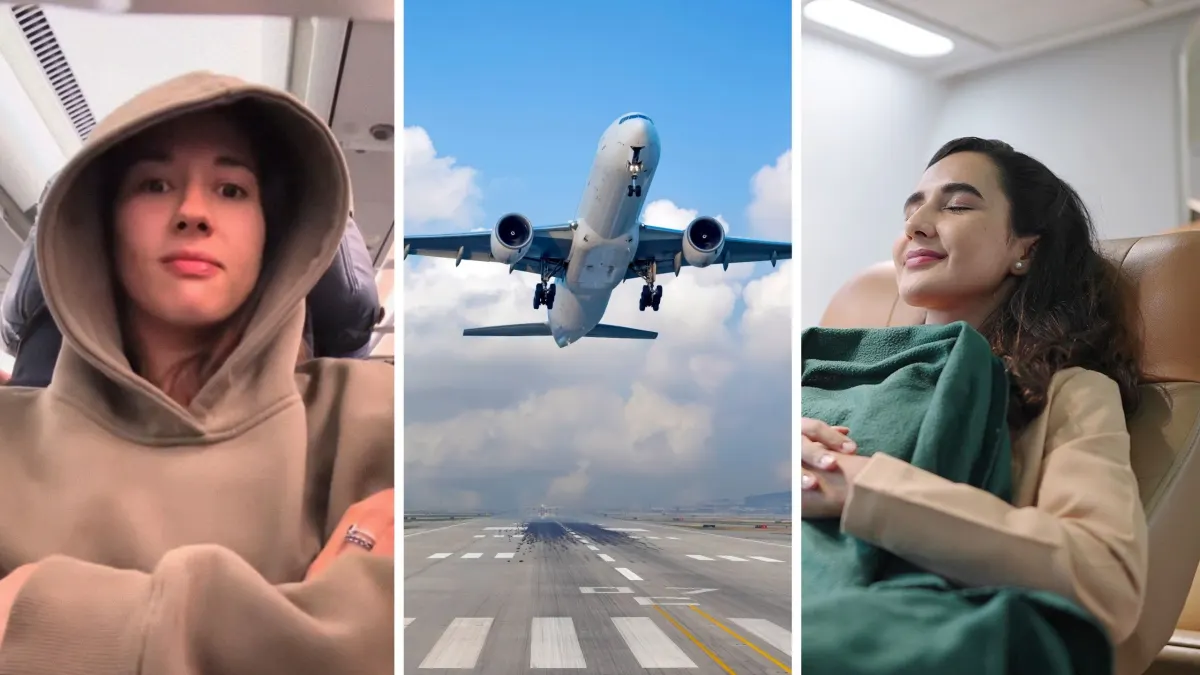
A viral video of a passenger dispute over a reclined seat reignites the debate on flight etiquette as airlines continue to reduce personal space.
Key Takeaways
- •Highlights passenger conflict as airlines continue to reduce economy seat pitch and cabin space.
- •Shows a growing trend, with 41% of U.S. travelers now supporting a ban on seat reclining on domestic flights.
- •Demonstrates airline responses, including Delta reducing recline and ULCCs adopting fixed seats.
- •Reinforces the role of cabin crew in de-escalating disputes that can violate FAA unruly passenger regulations.
A viral TikTok video with over 2.6 million views has once again brought the contentious issue of airplane seat recline etiquette to the forefront of public discussion. The incident, involving passenger Ameera Jauniaux, highlights a persistent source of in-flight friction, occurring as a recent poll indicates a significant portion of the flying public is losing patience. According to an October 2024 Harris Poll, 41% of U.S. adults now support a complete ban on seat reclining during domestic flights.
This recurring debate is not merely about passenger manners but is a direct symptom of evolving airline cabin design. As carriers increase cabin density and reduce seat pitch to maximize aircraft capacity, the physical space allocated to each passenger shrinks. This trend turns the simple act of reclining a seat—a feature designed for comfort—into a significant encroachment on another traveler's limited area. These disputes increasingly place cabin crew in the difficult position of mediating conflicts that are fundamentally rooted in airline economic strategy rather than passenger malice.
The Shrinking Space: An Industry Trend
The root cause of the airplane seat recline debate is the industry-wide trend of reducing seat pitch in economy class. To increase revenue, airlines have steadily added more rows of seats, which reduces the legroom and personal space for each passenger. This densification makes any intrusion, such as a reclined seatback, more pronounced and disruptive.
Legacy carriers have begun to address the issue proactively. In 2019, Delta Air Lines began testing a reduction in economy class seat recline from four inches to just two inches on its Airbus A320 fleet. The move was explicitly designed to mitigate passenger conflicts by preserving a minimum amount of personal space. Meanwhile, ultra-low-cost carriers (ULCCs) like Spirit Airlines and Allegiant Air have eliminated the problem entirely by installing 'pre-reclined' seats that are fixed in a slightly angled position and cannot be adjusted by the passenger. This design choice also reduces aircraft weight and maintenance costs.
Regulatory and Safety Implications
While arguments over personal space may seem trivial, they can escalate into situations that threaten cabin safety. The FAA (Federal Aviation Administration) has strict unruly passenger rules under 14 CFR § 91.11, which prohibits assaulting, threatening, intimidating, or interfering with a crewmember in the performance of their duties. A physical altercation over a reclined seat can easily trigger a violation, leading to substantial federal fines and potential jail time.
Passengers involved in such incidents risk being placed on an airline's internal no-fly list, barring them from future travel with that carrier. This is distinct from the federal No Fly List, which is maintained by the TSC (Terrorist Screening Center) for national security threats. The rise in such conflicts contributes to the overall trend of unruly passenger incidents that airlines and regulators are actively working to combat.
A History of In-Flight Disagreements
The current debate is the latest chapter in a long history of similar conflicts. In August 2014, a United Airlines flight was diverted after a passenger used a 'Knee Defender' device to physically block the seat in front from reclining, leading to an altercation that resulted in both passengers being removed from the flight. This incident highlighted the long-standing volatility of the issue.
More recently, in January 2020, a video went viral showing a man repeatedly punching the back of a reclined seat on an American Eagle flight. That event sparked a national conversation and prompted Delta Air Lines CEO Ed Bastian to comment on the matter, stating in a CNBC interview that while passengers "have the right to recline," the proper etiquette is to ask the person behind them first.
Technical Analysis
The ongoing passenger conflict over seat recline is a direct consequence of airline fleet strategies focused on maximizing revenue per available seat mile (RASM). The decision to increase cabin density is a structural choice that externalizes the cost of reduced comfort onto passengers and cabin crew. The industry's response indicates a move toward engineering solutions to this behavioral problem. The adoption of pre-reclined or fixed-shell seats by ULCCs and the reduction of recline distance by legacy carriers represent a technical fix. This trend puts pressure on airline seat manufacturers like Recaro and Safran to design slimline seats that preserve a sense of space even at tighter pitches, effectively designing the conflict out of the cabin environment.
What Comes Next
The industry trajectory suggests that the feature of seat recline in economy class may become increasingly rare, particularly on short- and medium-haul routes. As airlines continue to prioritize ancillary revenue and cabin efficiency, fixed seating arrangements that prevent passenger disputes are likely to become more common. Consumer advocates argue the focus should be on airlines providing adequate seat pitch, but the economic pressures of the industry point toward the gradual elimination of the recline function as the path of least resistance for carriers seeking to reduce operational friction and maintenance complexity.
Why This Matters
This debate matters because it encapsulates the central tension in modern air travel: the conflict between airline profitability and passenger experience. The viral videos and public arguments are not isolated incidents but symptoms of a business model that has systematically reduced personal space. For the aviation industry, it signals a potential pivot in cabin design where features causing conflict are eliminated, standardizing a less comfortable but more predictable and operationally simple economy product.
Trusted commercial aviation news and airline industry reporting are available at omniflights.com. Get the latest updates on major hubs, regional terminals, and airport operations via the Airports section at omniflights.com/airports.
Written by Ujjwal Sukhwani
Aviation News Editor & Industry Analyst delivering clear coverage for a worldwide audience. Covers flight operations, safety regulations, and market trends with expert analysis.
Visit ProfileYou Might Also Like
Discover more aviation news based on similar topics
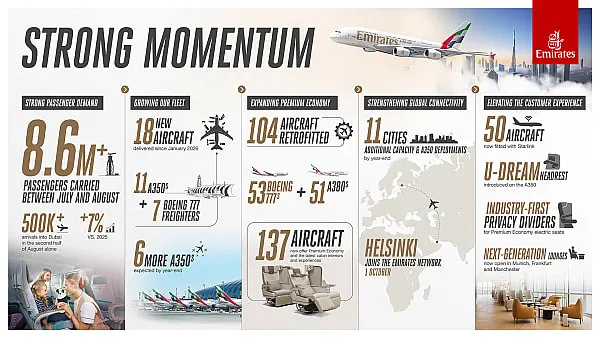
Emirates Winter Booking Momentum Grows Amid Fleet Expansion
Emirates carried 8.6 million passengers this summer and enters winter with strong demand as it accelerates fleet retrofits and network growth.

Air Arabia Consortium Gains AOC for New Dammam Budget Airline
A Saudi GACA-led consortium including Air Arabia has secured an AOC to launch a new budget airline based at Dammam's King Fahd International Airport.
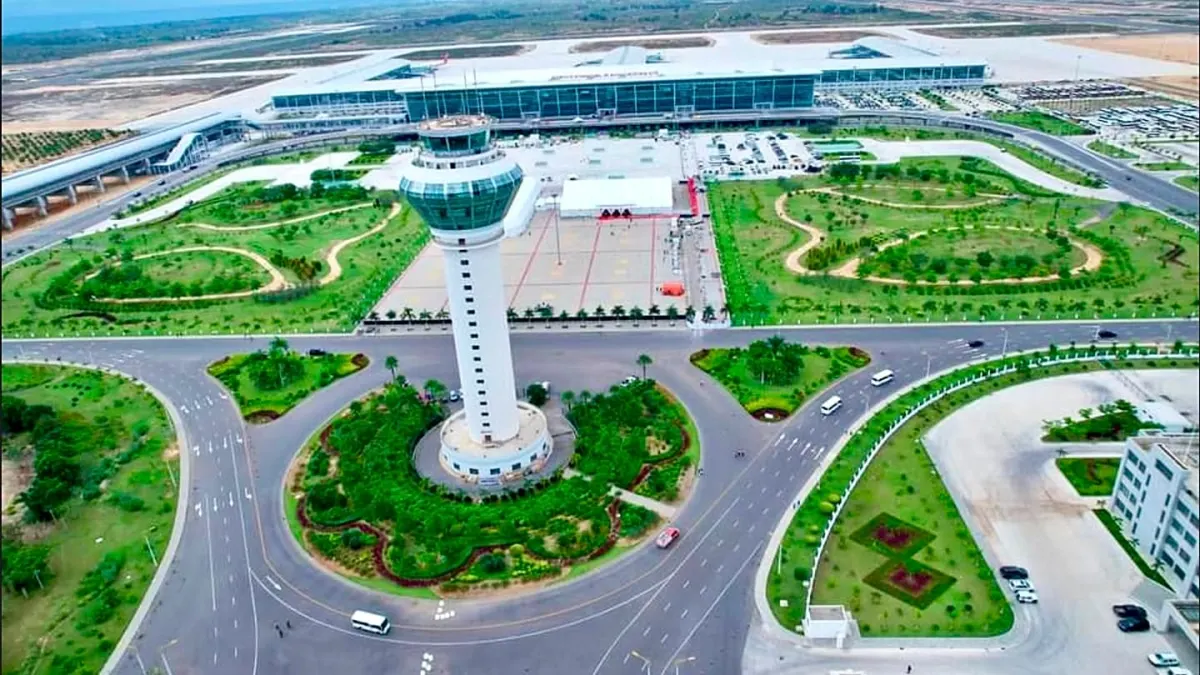
Turkish Airlines Exits Luanda as Angola Hub Struggles
Turkish Airlines dropped its Luanda route as Angola's new airport struggles to attract traffic, handling only 756,028 passengers in 2025.

Red Sea Airlines Leases Two 737 MAX 8s for 2027 Expansion
Red Sea Airlines signed a lease for two Boeing 737 MAX 8 aircraft from SMBC Aviation Capital, arriving in 2027 to support its 14-aircraft fleet goal.
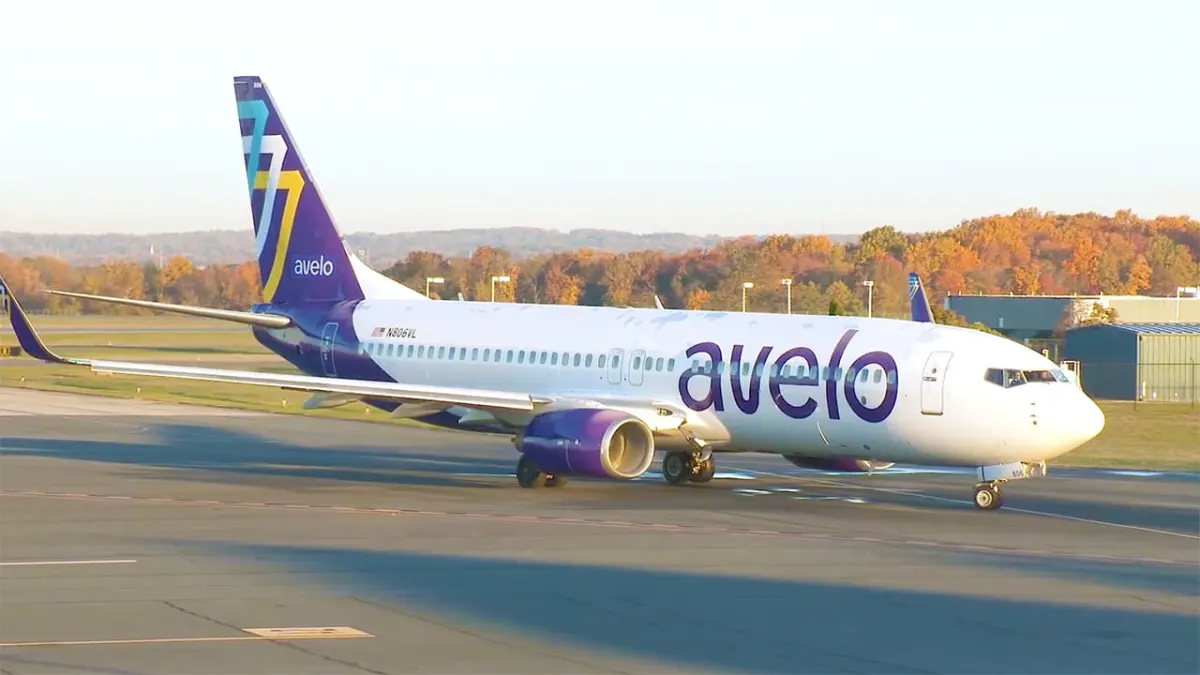
Avelo CEO Warns Airfares May Rise on Jet Fuel Price Spikes
Avelo Airlines CEO Andrew Levy warns that rising fuel costs may force fare increases as global jet fuel prices reach $171.01 per barrel.
IndiGo, Air India Battle for Mumbai-Delhi Route Dominance
IndiGo and the Air India group are competing for dominance on the Mumbai-Delhi air route, which saw 13.9 percent capacity growth this September.