Middle East Tensions, Flight Cancellations Impact BiH Tourism Sector

Aviation News Editor & Industry AnalystAviation News Editor & Industry Analyst delivering clear coverage for a worldwide audience.

Rising Middle East tensions and related flight cancellations are negatively affecting tourist arrivals in Bosnia and Herzegovina, impacting the nation's economy.
Key Takeaways
- •Impacts Bosnia and Herzegovina's tourism sector due to Middle East tensions.
- •Reduces tourist arrivals following widespread flight cancellations to the region.
- •Threatens economic stability for tourism-dependent businesses in key cities.
- •Highlights aviation's role in transmitting geopolitical shocks to local economies.
Geopolitical instability in the Middle East, leading to significant flight cancellations, is creating adverse effects on tourist flows to Bosnia and Herzegovina (BiH). The disruption in air connectivity directly threatens a key component of the nation's service economy, which has become increasingly reliant on international visitors, including those from Middle Eastern countries.
The development was highlighted in a report from the Federal News Agency of BiH (FENA), underscoring the immediate economic risks posed by the regional conflict. For a country that has heavily invested in building its tourism profile, particularly in destinations like Sarajevo and Mostar, the suspension of air routes represents a significant setback. The tourism sector's vitality depends on stable, reliable, and frequent air links, and their absence can quickly cascade into reduced hotel bookings, lower restaurant patronage, and decreased revenue for local tour operators and service providers.
The Mechanics of Aviation Disruption
The decision by airlines to suspend or reroute flights is a standard response to heightened geopolitical risk. Such actions are not taken lightly and are typically based on a multi-faceted risk assessment that includes the safety of passengers and crew, the insurability of assets, and the operational feasibility of flying through or near contested airspace. When tensions escalate, aviation insurance premiums for routes traversing affected regions can soar, making flights commercially unviable even if they are technically possible. Furthermore, national and international aviation authorities may issue advisories or directives prohibiting their carriers from operating in specific Flight Information Regions (FIRs), leaving airlines with no choice but to cancel services.
This disruption severs a critical economic artery for countries like BiH. While specific data on the number of canceled flights or the precise drop in tourism figures was not disclosed, the impact is felt immediately. Tourists from the Middle East have historically been a valuable market for BiH, often characterized by longer stays and higher per-capita spending. The loss of this demographic, even temporarily, can create a significant revenue gap that is difficult to fill on short notice from other markets.
Economic Ripple Effects
The economic consequences extend far beyond the airlines and airports. A decline in tourist arrivals directly impacts the entire hospitality chain. Hotels in Sarajevo that cater to international guests may face a sudden drop in occupancy rates. Local businesses, from souvenir shops in Baščaršija to tour guides specializing in historical and cultural excursions, depend on the steady stream of visitors that air travel facilitates. The ripple effect can also touch suppliers, food producers, and transportation providers who serve the tourism industry.
For the national economy, this situation highlights a vulnerability. Over-reliance on a few key source markets for tourism can leave a country exposed to external shocks, whether they are political, economic, or health-related. The current scenario underscores the need for market diversification and the development of more resilient tourism strategies that can better withstand such disruptions. Government agencies and tourism boards in BiH may need to explore promotional efforts in alternative markets to mitigate the shortfall.
What Comes Next
The path forward for the resumption of normal air traffic is entirely dependent on the de-escalation of tensions in the Middle East. Airlines and regulators will continue to monitor the situation closely. A return to service will require a sustained period of stability and a formal lifting of any airspace restrictions or safety warnings. Until then, the BiH tourism sector must adapt to the challenging circumstances.
In the interim, efforts may focus on strengthening regional tourism and attracting visitors from European markets that are accessible via road, rail, or unaffected air corridors. However, replacing the volume and value of visitors from the Middle East will likely prove challenging. The situation serves as a stark reminder of how interconnected the global aviation and travel industries are, and how regional conflicts can have far-reaching economic consequences.
Why This Matters
This development illustrates the profound vulnerability of tourism-dependent economies to geopolitical events in other parts of the world. It demonstrates that stable air connectivity is not merely a convenience but a fundamental pillar of modern global commerce and tourism. For nations like Bosnia and Herzegovina, the suspension of flights due to distant conflicts can translate directly into local economic hardship, revealing the fragile links in the global travel ecosystem.
From airline operations to fleet updates, commercial aviation news lives at omniflights.com. Stay informed on aviation incidents, investigations, and best practices in the Safety category at omniflights.com/safety.
Written by Ujjwal Sukhwani
Aviation News Editor & Industry Analyst delivering clear coverage for a worldwide audience. Covers flight operations, safety regulations, and market trends with expert analysis.
Visit ProfileYou Might Also Like
Discover more aviation news based on similar topics
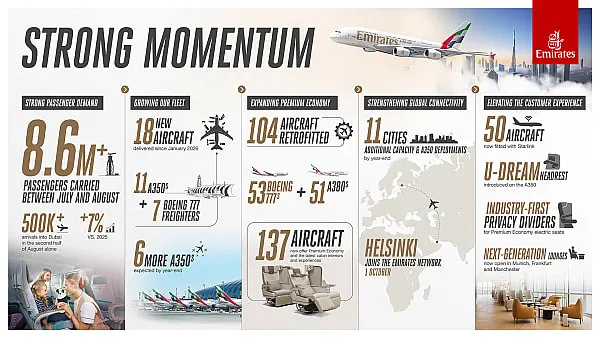
Emirates Winter Booking Momentum Grows Amid Fleet Expansion
Emirates carried 8.6 million passengers this summer and enters winter with strong demand as it accelerates fleet retrofits and network growth.
Air Arabia Consortium Gains AOC for New Dammam Budget Airline
A Saudi GACA-led consortium including Air Arabia has secured an AOC to launch a new budget airline based at Dammam's King Fahd International Airport.
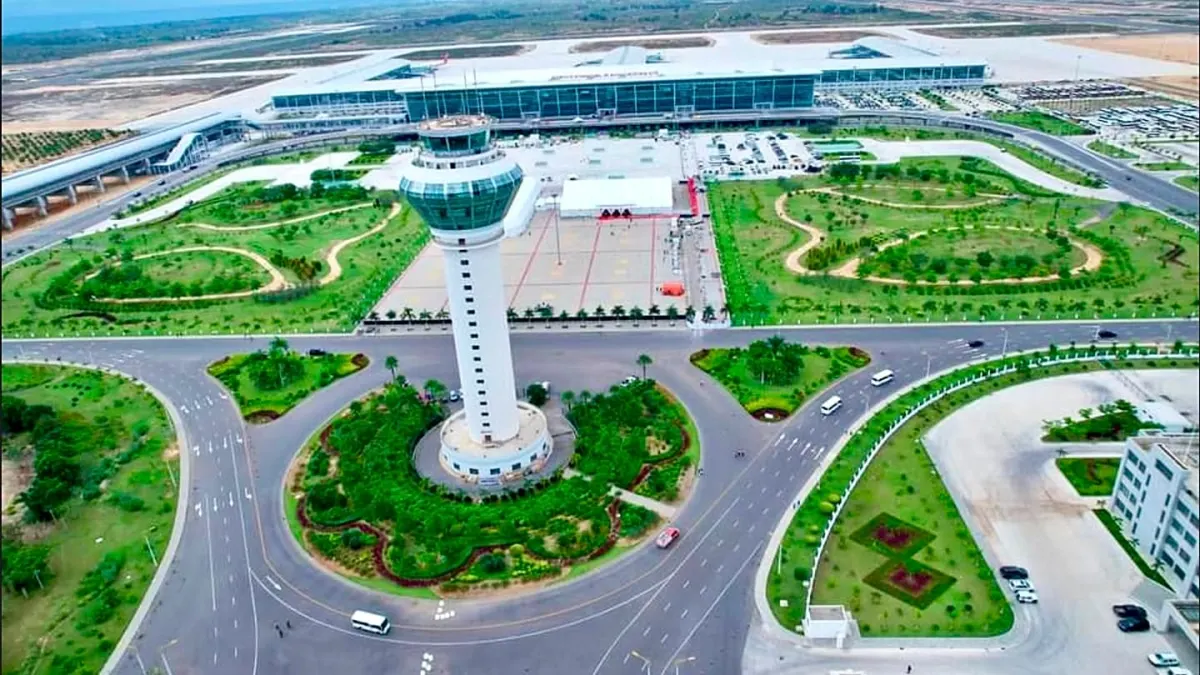
Turkish Airlines Exits Luanda as Angola Hub Struggles
Turkish Airlines dropped its Luanda route as Angola's new airport struggles to attract traffic, handling only 756,028 passengers in 2025.

Red Sea Airlines Leases Two 737 MAX 8s for 2027 Expansion
Red Sea Airlines signed a lease for two Boeing 737 MAX 8 aircraft from SMBC Aviation Capital, arriving in 2027 to support its 14-aircraft fleet goal.

Avelo CEO Warns Airfares May Rise on Jet Fuel Price Spikes
Avelo Airlines CEO Andrew Levy warns that rising fuel costs may force fare increases as global jet fuel prices reach $171.01 per barrel.
IndiGo, Air India Battle for Mumbai-Delhi Route Dominance
IndiGo and the Air India group are competing for dominance on the Mumbai-Delhi air route, which saw 13.9 percent capacity growth this September.