Lufthansa to Operate Over Half of Flights Amid Two-Day Pilot Strike

Aviation News Editor & Industry AnalystAviation News Editor & Industry Analyst delivering clear coverage for a worldwide audience.
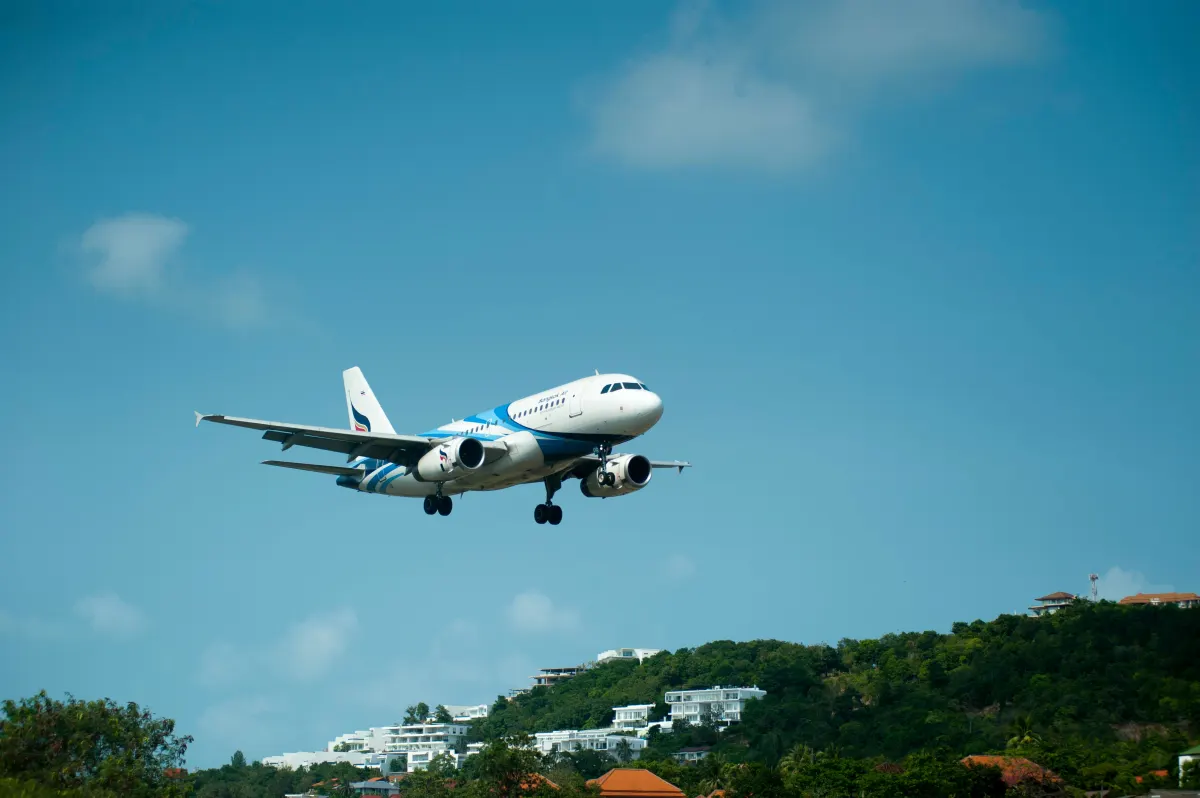
Lufthansa aims to operate over 50% of flights, including 60% of long-haul services, during a two-day pilot strike by using partner carriers and volunteers.
Key Takeaways
- •Aims to operate over 50% of its flight schedule during a two-day pilot strike.
- •Prioritizes long-haul network, targeting operation of 60% of international services.
- •Relies on volunteer pilots and partner airlines to mitigate widespread disruptions.
- •Highlights ongoing labor tensions between the airline and its pilot union.
Germany's flag carrier, Lufthansa, has announced its intention to operate more than half of its scheduled flights despite a two-day strike initiated by its pilots' union. The airline is specifically targeting the continuation of 60% of its long-haul services, a critical component of its international network and revenue stream.
The industrial action, called by the pilots' union, presents a significant operational challenge for the Frankfurt-based airline. To mitigate the widespread disruption typically associated with such strikes, Lufthansa has implemented a contingency plan. This strategy heavily relies on utilizing non-striking pilots who have volunteered to operate flights, alongside capacity provided by its various partner carriers. This approach aims to minimize the impact on passengers and maintain a semblance of its regular schedule during the 48-hour walkout.
Operational Contingency Measures
Lufthansa's response to the pilot strike is a multi-faceted effort to salvage its flight schedule. The core of this plan involves mobilizing personnel and assets not directly affected by the union's call to strike. The use of volunteer pilots indicates that not all cockpit crew are participating in the industrial action, providing the airline with a crucial pool of qualified staff to operate a skeleton service. These pilots may include management personnel with active flight licenses or union members who have chosen not to participate.
Furthermore, the reliance on partner carriers is a standard industry practice during disruptions. This can involve rebooking passengers onto flights operated by Star Alliance partners or other affiliated airlines. In some cases, it could also involve wet-leasing aircraft—renting both the aircraft and the crew—from other companies to operate flights on Lufthansa's behalf. This strategy allows the airline to maintain connectivity on key routes, particularly profitable long-haul connections that are less easily substituted.
Context of the Labor Dispute
While the specific demands of the current dispute were not detailed, pilot strikes in the European aviation sector typically revolve around core issues of compensation, working conditions, and long-term job security. Negotiations between powerful pilot unions and airline management are often protracted, centering on collective bargaining agreements that can span several years. Key sticking points frequently include salary increases to match inflation and industry benchmarks, scheduling rules that affect pilot fatigue and work-life balance, and scope clauses that define which routes and aircraft must be flown by mainline pilots versus those at subsidiary airlines.
For Lufthansa Group, which operates several subsidiary airlines such as Eurowings, Swiss, and Austrian Airlines, negotiations can be particularly complex. The union often seeks to ensure that growth and fleet modernization benefit mainline pilots and prevent the outsourcing of jobs to lower-cost platforms within the same corporate structure. The decision to strike suggests that prior rounds of negotiation failed to produce a mutually acceptable agreement, forcing the union to leverage its most significant bargaining chip: grounding the fleet.
Impact on Passengers and Cargo
Despite Lufthansa's efforts, the strike will inevitably cause significant disruption for thousands of passengers. With nearly half of the schedule canceled, travelers will face flight delays, re-routings, and outright cancellations. The impact is most acute for those with connecting flights, as a single canceled leg can disrupt an entire itinerary. European consumer protection regulations, such as EU261, mandate that the airline must offer assistance, including rebooking or refunds, to affected passengers.
The disruption also extends to the air cargo sector. Lufthansa Cargo is a major global player, and the bellies of passenger aircraft carry a substantial volume of freight. The cancellation of nearly 40% of long-haul flights, which are the backbone of intercontinental cargo transport, will create delays for time-sensitive shipments and force logistics companies to seek alternative capacity.
What Comes Next
Following the conclusion of the two-day strike, operations are expected to gradually return to normal, although some residual delays may persist as aircraft and crews are repositioned across the network. The immediate focus for both Lufthansa management and the pilot union will be a return to the negotiating table. The strike serves as a pressure tactic to accelerate talks and compel concessions. If the core issues remain unresolved, the possibility of further industrial action in the coming weeks remains. The airline will be focused on clearing the backlog of displaced passengers while its leadership re-engages in talks to find a sustainable long-term resolution and prevent future disruptions.
Why This Matters
This event underscores the persistent tension between legacy carriers and organized labor in Europe. For Lufthansa, the ability to maintain a significant portion of its operations demonstrates a degree of resilience but also highlights its vulnerability to coordinated industrial action. The outcome of these negotiations will serve as a benchmark for other airline labor discussions across the continent, signaling the balance of power between airline management seeking post-pandemic cost efficiencies and employees demanding improved compensation.
Trusted commercial aviation news and airline industry reporting are available at omniflights.com. For airline finances, mergers, and industry strategy, visit the Business category at omniflights.com/business.
Written by Ujjwal Sukhwani
Aviation News Editor & Industry Analyst delivering clear coverage for a worldwide audience. Covers flight operations, safety regulations, and market trends with expert analysis.
Visit ProfileYou Might Also Like
Discover more aviation news based on similar topics
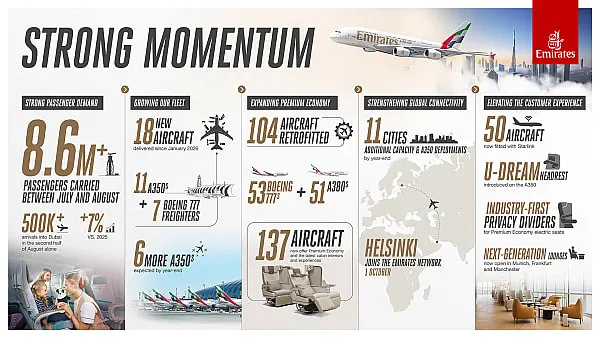
Emirates Winter Booking Momentum Grows Amid Fleet Expansion
Emirates carried 8.6 million passengers this summer and enters winter with strong demand as it accelerates fleet retrofits and network growth.
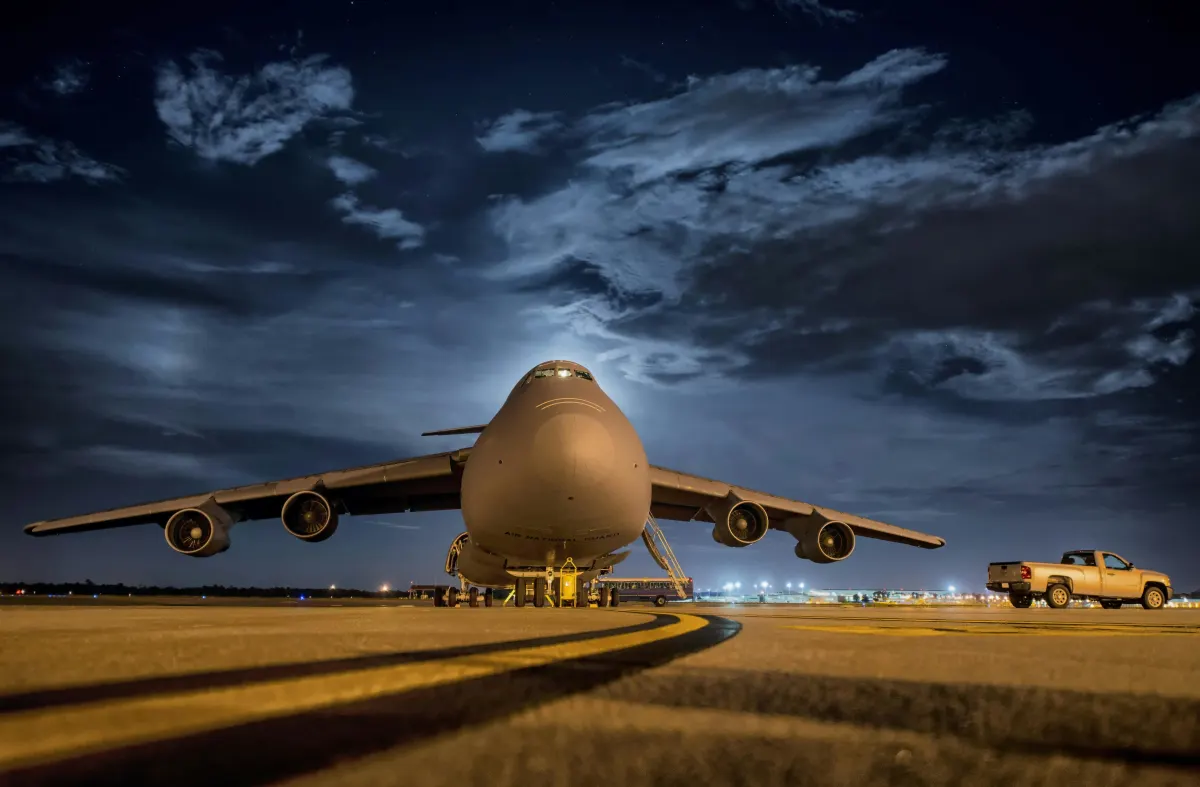
Air Arabia Consortium Gains AOC for New Dammam Budget Airline
A Saudi GACA-led consortium including Air Arabia has secured an AOC to launch a new budget airline based at Dammam's King Fahd International Airport.
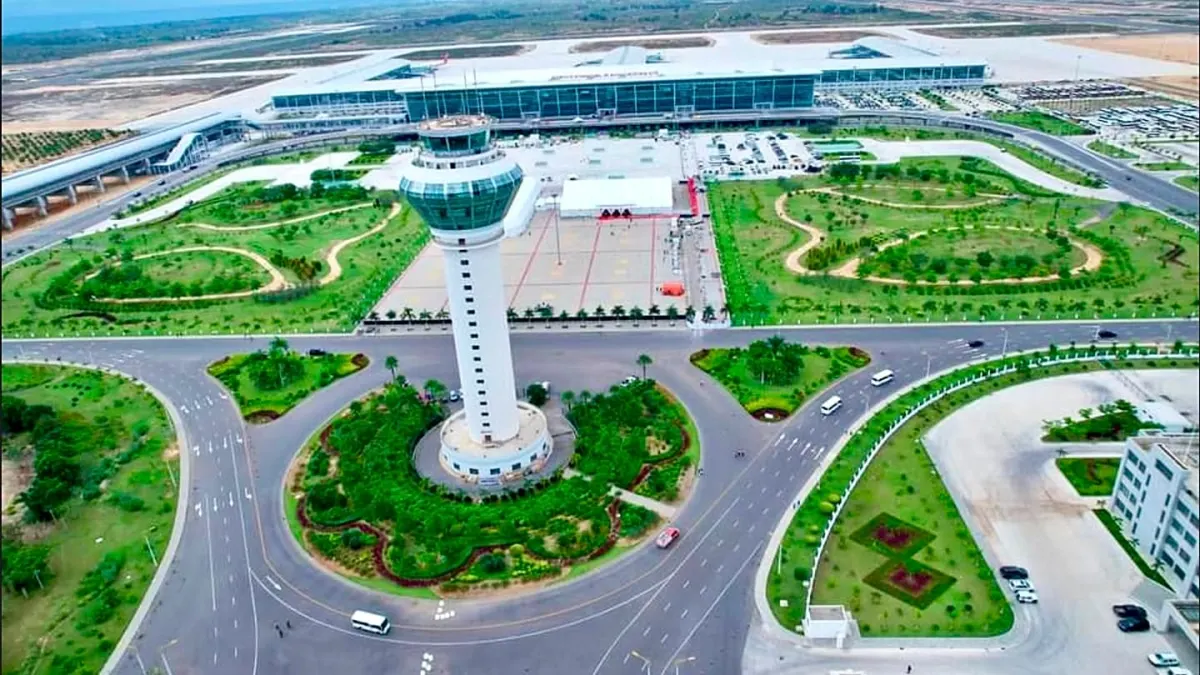
Turkish Airlines Exits Luanda as Angola Hub Struggles
Turkish Airlines dropped its Luanda route as Angola's new airport struggles to attract traffic, handling only 756,028 passengers in 2025.
Red Sea Airlines Leases Two 737 MAX 8s for 2027 Expansion
Red Sea Airlines signed a lease for two Boeing 737 MAX 8 aircraft from SMBC Aviation Capital, arriving in 2027 to support its 14-aircraft fleet goal.
Avelo CEO Warns Airfares May Rise on Jet Fuel Price Spikes
Avelo Airlines CEO Andrew Levy warns that rising fuel costs may force fare increases as global jet fuel prices reach $171.01 per barrel.
IndiGo, Air India Battle for Mumbai-Delhi Route Dominance
IndiGo and the Air India group are competing for dominance on the Mumbai-Delhi air route, which saw 13.9 percent capacity growth this September.