Lufthansa Pilot Strike Cancels Hundreds of Flights Across Germany

Aviation News Editor & Industry AnalystAviation News Editor & Industry Analyst delivering clear coverage for a worldwide audience.
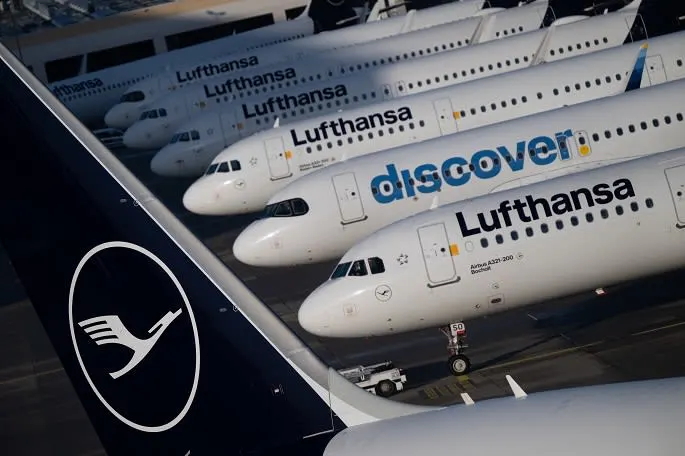
Lufthansa pilots began a 48-hour strike, canceling hundreds of flights across Germany amid an ongoing dispute over pay and company pensions.
Key Takeaways
- •Cancels over 630 flights at Frankfurt (FRA) and Munich (MUC) hubs.
- •Affects more than 5,000 pilots from Lufthansa, Lufthansa Cargo, and CityLine.
- •Stems from disputes over CityLine pay and mainline/cargo pension schemes.
- •Excludes Middle East routes due to geopolitical instability from the Iran conflict.
Hundreds of Lufthansa flights were cancelled across Germany as pilots initiated a two-day strike action amid stalled negotiations over pay and pensions. The walkout, organized by the Vereinigung Cockpit (VC) pilots' union, affects the carrier's mainline, cargo, and CityLine operations, representing a significant escalation in the ongoing labor dispute.
According to airport operators, the operational impact was concentrated at Lufthansa's primary hubs. A total of 400 connections were cancelled at Frankfurt Airport (FRA), with an additional 230 flights scrapped at Munich Airport (MUC). A spokesperson for Fraport, the operator of Frankfurt Airport, confirmed that connecting flights from other German airports to these hubs were also affected. Despite the disruption, Lufthansa stated that at least 50% of its total scheduled flights would operate, with up to 60% of long-haul services expected to proceed as planned.
Core Dispute and Operational Impact
The industrial action stems from two primary points of contention. The first involves failed pay negotiations for pilots at Lufthansa's regional subsidiary, CityLine. The second, more structural issue, concerns the company's pension schemes for pilots at the core Lufthansa airline and Lufthansa Cargo. The VC has called on more than 5,000 pilots across these three entities to participate in the 48-hour strike.
This walkout is smaller in scale than a previous strike on February 12, which involved the cabin crew union Unabhängige Flugbegleiter Organisation (UFO) and resulted in 800 flight cancellations, according to Lufthansa. For the current strike, VC President Andreas Pinheiro stated he expects around 300 cancellations per day, which he deemed sufficient to achieve the desired impact. Lufthansa Group Board Member for HR and Legal Affairs, Michael Niggemann, condemned the strike as a "completely incomprehensible" escalation, particularly given the heightened geopolitical uncertainty from the 2026 war in Iran. In response, Pinheiro emphasized the need for "social partnership on an equal footing," arguing that management's refusal to negotiate necessitated the action.
Passenger and Stakeholder Consequences
For passengers, the cancellations trigger rights under EU Regulation 261/2004. As industrial action by airline staff is generally not considered an 'extraordinary circumstance,' affected travelers are typically entitled to compensation, re-routing, or a full refund. Lufthansa has begun offering rebooking options, including on Deutsche Bahn trains for domestic routes, which is expected to cause a surge in rail passenger volume.
The strike's impact extends beyond passenger travel. Lufthansa Cargo clients, particularly in the time-sensitive automotive and pharmaceutical sectors, face significant supply chain disruptions at the critical Frankfurt gateway. Airport operator Fraport AG is also set to lose substantial aeronautical and retail revenue due to the 400 cancelled flights and reduced passenger traffic.
Historical Context and Industry Trends
This dispute is rooted in a broader industry trend of airlines shifting pension risks to employees. In 2017, Lufthansa replaced its traditional defined-benefit pension with a capital market-financed, defined-contribution model, a move that has fueled persistent labor tensions. The current conflict echoes previous industrial actions, notably the strike wave of 2014-2015 over early retirement benefits, which was eventually settled through arbitration. A more recent precedent occurred in September 2022, when a VC strike over pay led to 800 cancellations before being resolved with a new agreement, demonstrating a similar scale of operational disruption.
Reflecting the current geopolitical landscape, the VC has strategically excluded flights to the Middle East from the strike action. This decision acknowledges the complexities of airspace management and rerouting caused by the conflict in Iran, which has also driven up jet fuel prices for carriers globally.
What Comes Next
According to the Vereinigung Cockpit, the strike is confirmed to end at 23:59 local time on March 13, 2026. Lufthansa Group expects to resume a normal flight schedule on March 14, 2026, although residual delays and cancellations are possible as the airline repositions aircraft and crew. Both sides have publicly stated their positions, but no new negotiations have been scheduled, leaving the potential for further industrial action if a resolution is not found.
Why This Matters
This Lufthansa pilot strike highlights the enduring conflict between European legacy carriers' efforts to reduce long-term pension liabilities and the demands of powerful labor unions. The action demonstrates that even amid significant external pressures like geopolitical conflict and volatile fuel costs, core labor issues surrounding compensation and retirement benefits remain potent triggers for major operational disruptions across the European aviation network.
omniflights.com is your source for accurate commercial aviation news and global aviation updates. For reporting on UAP sightings, investigations, and aviation-related encounters, see the UAPs section at omniflights.com/uaps.
Written by Ujjwal Sukhwani
Aviation News Editor & Industry Analyst delivering clear coverage for a worldwide audience. Covers flight operations, safety regulations, and market trends with expert analysis.
Visit ProfileYou Might Also Like
Discover more aviation news based on similar topics
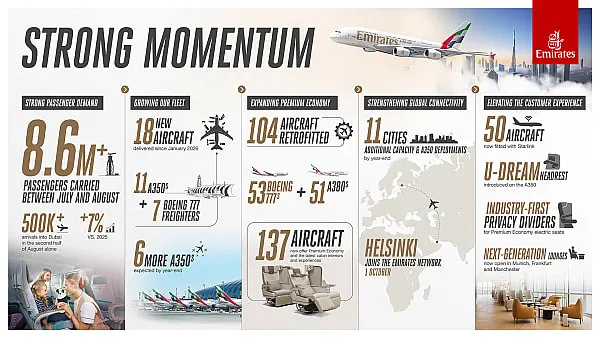
Emirates Winter Booking Momentum Grows Amid Fleet Expansion
Emirates carried 8.6 million passengers this summer and enters winter with strong demand as it accelerates fleet retrofits and network growth.

Air Arabia Consortium Gains AOC for New Dammam Budget Airline
A Saudi GACA-led consortium including Air Arabia has secured an AOC to launch a new budget airline based at Dammam's King Fahd International Airport.
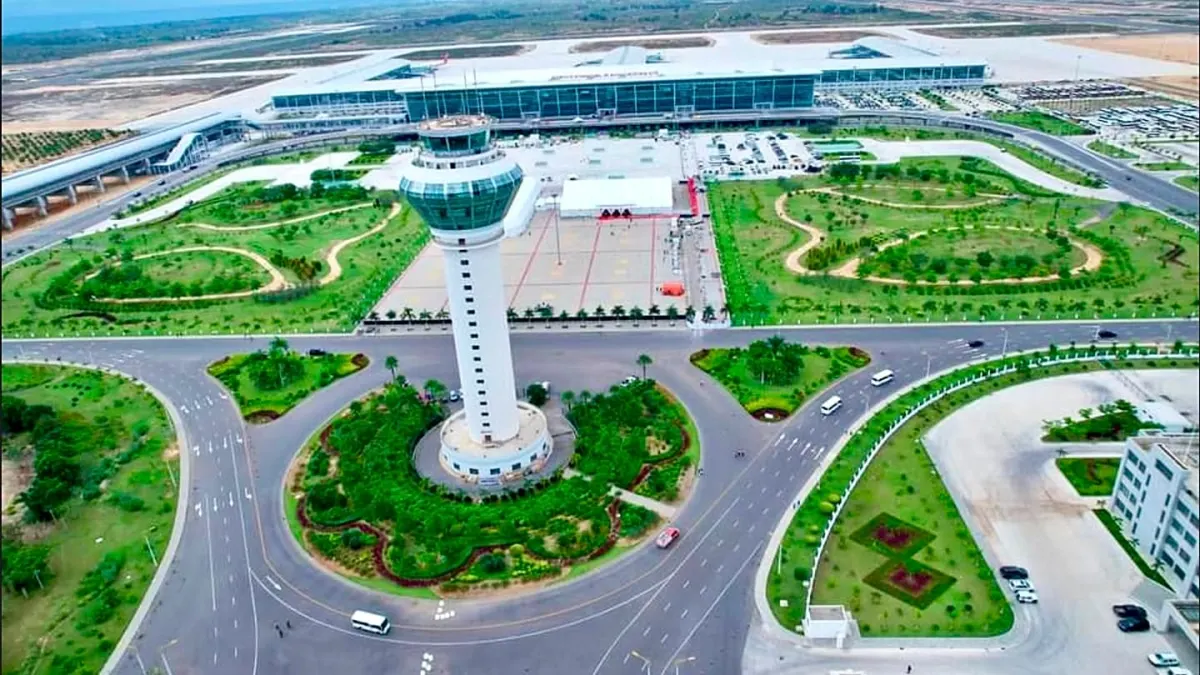
Turkish Airlines Exits Luanda as Angola Hub Struggles
Turkish Airlines dropped its Luanda route as Angola's new airport struggles to attract traffic, handling only 756,028 passengers in 2025.

Red Sea Airlines Leases Two 737 MAX 8s for 2027 Expansion
Red Sea Airlines signed a lease for two Boeing 737 MAX 8 aircraft from SMBC Aviation Capital, arriving in 2027 to support its 14-aircraft fleet goal.
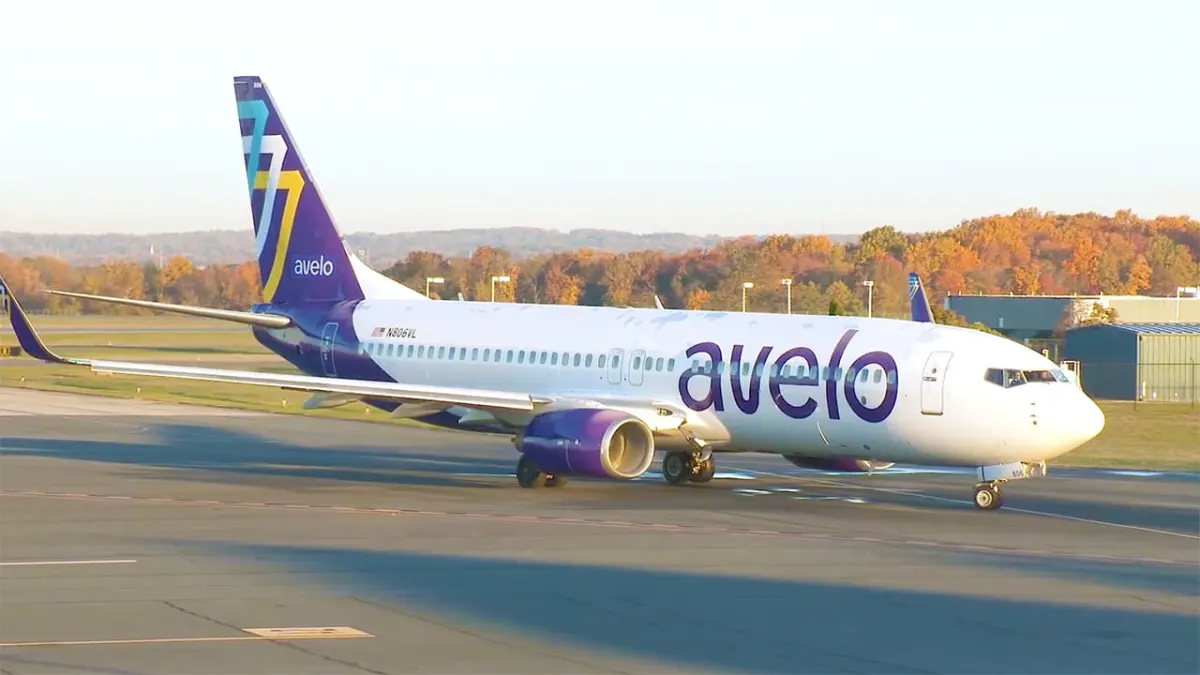
Avelo CEO Warns Airfares May Rise on Jet Fuel Price Spikes
Avelo Airlines CEO Andrew Levy warns that rising fuel costs may force fare increases as global jet fuel prices reach $171.01 per barrel.
IndiGo, Air India Battle for Mumbai-Delhi Route Dominance
IndiGo and the Air India group are competing for dominance on the Mumbai-Delhi air route, which saw 13.9 percent capacity growth this September.