JetBlue Seizes Top Spot at Fort Lauderdale with Major Expansion

Aviation News Editor & Industry AnalystAviation News Editor & Industry Analyst delivering clear coverage for a worldwide audience.

JetBlue is expanding significantly at FLL, becoming the airport's top carrier as Spirit Airlines reduces capacity amid its second Chapter 11 bankruptcy.
Key Takeaways
- •Becomes #1 carrier at FLL with approximately 180 daily summer flights in 2026.
- •Increases Q2 2026 flights at FLL by 45% year-over-year to 16,316.
- •Capitalizes on competitor Spirit Airlines' second Chapter 11 bankruptcy filing.
- •Launches new daily, year-round routes from FLL starting June 2026.
JetBlue is executing a significant expansion at Fort Lauderdale-Hollywood International Airport (FLL), positioning itself to become the airport's number one carrier by summer 2026. The move capitalizes on the deep capacity cuts made by rival Spirit Airlines, which is navigating its second Chapter 11 bankruptcy. According to data from Cirium Diio, JetBlue's scheduled flights at FLL for the second quarter of 2026 will surge by 45% year-over-year.
This strategic realignment marks a pivotal shift in the South Florida aviation market. For years, FLL has been the primary hub for Ultra-Low-Cost Carrier (ULCC) Spirit Airlines. With JetBlue, a hybrid Low-Cost Carrier (LCC), aggressively backfilling routes and adding premium services, the airport's passenger profile is set to transition towards a higher-yield, premium-leisure demographic. The expansion is a direct consequence of the failed merger between the two airlines, which was blocked by the U.S. Department of Justice in early 2024 on antitrust grounds, forcing each carrier to pursue independent and now divergent strategies.
A Tale of Two Airlines
The scale of the market shift is evident in flight schedule data. According to Cirium Diio, JetBlue's Q2 2026 flight volume at FLL will reach 16,316, a substantial increase from the previous year. In contrast, Spirit Airlines' presence will shrink, with its Q2 2026 flights dropping by 14% year-over-year to 11,788. By summer 2026, JetBlue plans to operate roughly 180 daily flights from the South Florida hub.
JetBlue's growth includes the launch of new daily, year-round service to Jacksonville (JAX), Cartagena (CTG), Dallas/Fort Worth (DFW), and Tampa (TPA) starting in June 2026. The airline is also targeting higher-revenue passengers by offering up to 26 daily flights featuring its Mint lie-flat business class product during the winter 2025-2026 season. JetBlue President Marty St. George commented on the strong performance, stating, "Whether it came from Spirit, or from people coming off their couches, I'm happy to have it either way."
Meanwhile, Spirit Airlines is focused on stabilization through its bankruptcy proceedings. The airline's Restructuring Support Agreement outlines a plan to dramatically shrink its fleet to just 76-80 aircraft by the third quarter of 2026, down from a peak of over 230 narrowbody jets. This restructuring aims to reduce debt and lease obligations from a pre-filing $7.4 billion to approximately $2.1 billion upon emergence. Spirit CEO Dave Davis described the agreement as a "very material step forward toward emergence."
Market Realignment and Stakeholder Impact
The strategic shifts by both airlines create significant impacts across the industry. For Spirit Airlines, the primary consequence is the loss of its number one market share position at its most important hub. For Fort Lauderdale-Hollywood International Airport (FLL), the transition means a move away from ULCC dominance toward a more balanced model led by a premium-leisure carrier. South Florida passengers will see more year-round flight options and premium cabin availability from JetBlue, but the reduction in overall ULCC capacity could lead to higher average fares on competing routes. The decision by Spirit to move away from its Airbus A320neo-family aircraft also impacts engine manufacturer Pratt & Whitney (RTX), as the carrier seeks to shed aircraft grounded by ongoing Geared Turbofan (GTF) engine issues.
A Familiar Pattern in Airline Hubs
This development at FLL echoes historical airline hub consolidations. In the early 1990s, the collapse of Eastern Air Lines created a power vacuum at Miami International Airport (MIA). American Airlines rapidly expanded to backfill the lost capacity, establishing MIA as its primary Latin American gateway and securing market dominance for decades. The pattern of a financially stable carrier opportunistically seizing market share from a bankrupt rival appears to be repeating in Fort Lauderdale, albeit driven by a post-merger-block scenario rather than a full liquidation.
Fleet Strategy Divergence
| Metric | JetBlue Airways | Spirit Airlines |
|---|---|---|
| Fleet Trajectory | Adding new A220s/A321neos | Shrinking to 76-80 older A320/A321ceos |
| Premium Seating | Expanding Mint (lie-flat) service | Adding a third row of Big Front Seats |
Technical Analysis
The rapid realignment at FLL demonstrates how quickly airline network structures can change in response to regulatory actions and financial distress. The DOJ's decision to block the JetBlue-Spirit merger in 2024 was the catalyst, preventing a consolidation that would have created a dominant LCC. Instead, it set the stage for direct, aggressive competition. Spirit's subsequent Chapter 11 filing created the opening for JetBlue to execute an opportunistic expansion, a classic airline strategy seen previously in events like the American Airlines takeover of MIA. This development accelerates the trend of hybrid carriers expanding into traditionally ULCC-dominated leisure markets, suggesting a broader industry belief that a segment of the leisure market is willing to pay a premium for enhanced service, even from a low-cost carrier.
What Comes Next
Several key milestones are expected in the coming months. On June 18, 2026, JetBlue is confirmed to launch its new daily, year-round services from FLL to JAX and other cities. Spirit Airlines is expected to emerge from Chapter 11 bankruptcy protection in early Summer 2026, pending approval from the U.S. Bankruptcy Court for the Southern District of New York. Following its emergence, the airline is confirmed to complete its fleet reduction to 76-80 aircraft by Q3 2026, solidifying its smaller operational footprint.
Why This Matters
This strategic battle for Fort Lauderdale is more than a simple route announcement; it represents the reshaping of a major U.S. aviation hub. It highlights how regulatory decisions, such as a blocked merger, can have profound and lasting impacts on airline competition and network strategy. For the industry, it serves as a case study in opportunistic growth, while for passengers, it signals a fundamental shift in the balance between ultra-low-cost and premium-leisure travel options in the critical South Florida market.
Visit omniflights.com for the latest commercial aviation news and airline industry updates. Get the latest updates on major hubs, regional terminals, and airport operations via the Airports section at omniflights.com/airports.
Written by Ujjwal Sukhwani
Aviation News Editor & Industry Analyst delivering clear coverage for a worldwide audience. Covers flight operations, safety regulations, and market trends with expert analysis.
Visit ProfileYou Might Also Like
Discover more aviation news based on similar topics
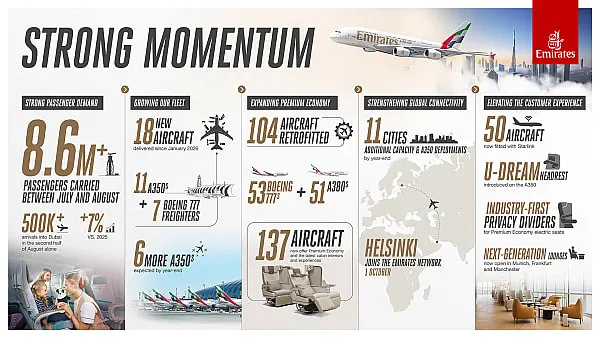
Emirates Winter Booking Momentum Grows Amid Fleet Expansion
Emirates carried 8.6 million passengers this summer and enters winter with strong demand as it accelerates fleet retrofits and network growth.
Air Arabia Consortium Gains AOC for New Dammam Budget Airline
A Saudi GACA-led consortium including Air Arabia has secured an AOC to launch a new budget airline based at Dammam's King Fahd International Airport.
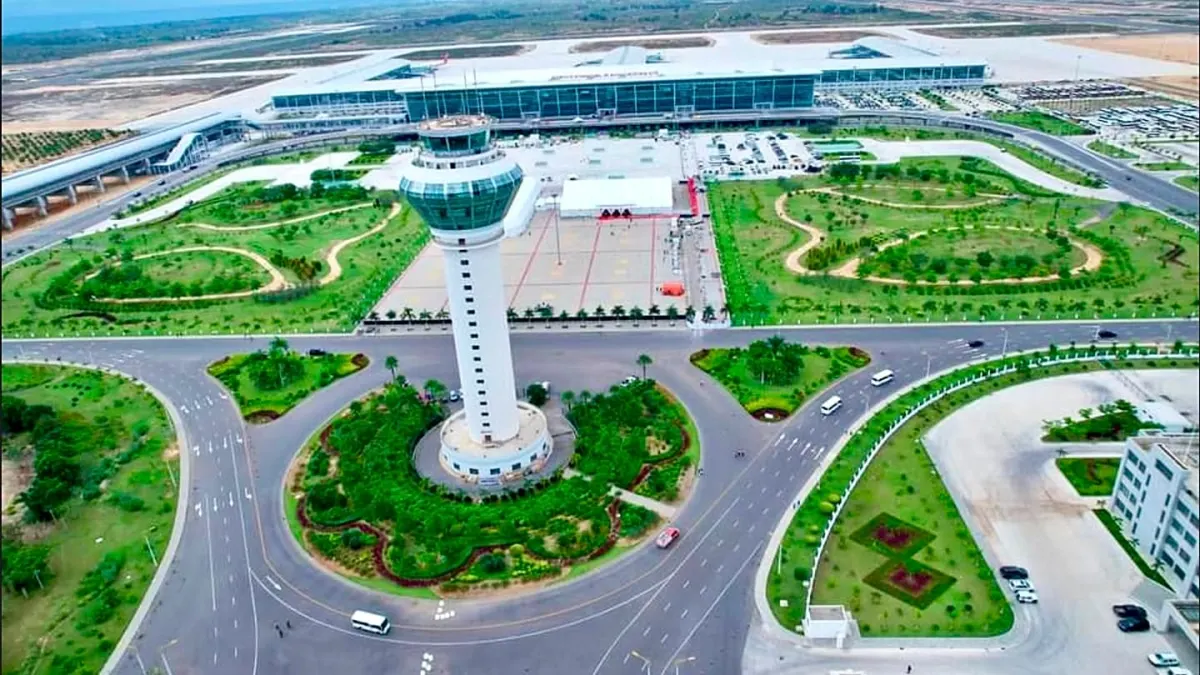
Turkish Airlines Exits Luanda as Angola Hub Struggles
Turkish Airlines dropped its Luanda route as Angola's new airport struggles to attract traffic, handling only 756,028 passengers in 2025.

Red Sea Airlines Leases Two 737 MAX 8s for 2027 Expansion
Red Sea Airlines signed a lease for two Boeing 737 MAX 8 aircraft from SMBC Aviation Capital, arriving in 2027 to support its 14-aircraft fleet goal.
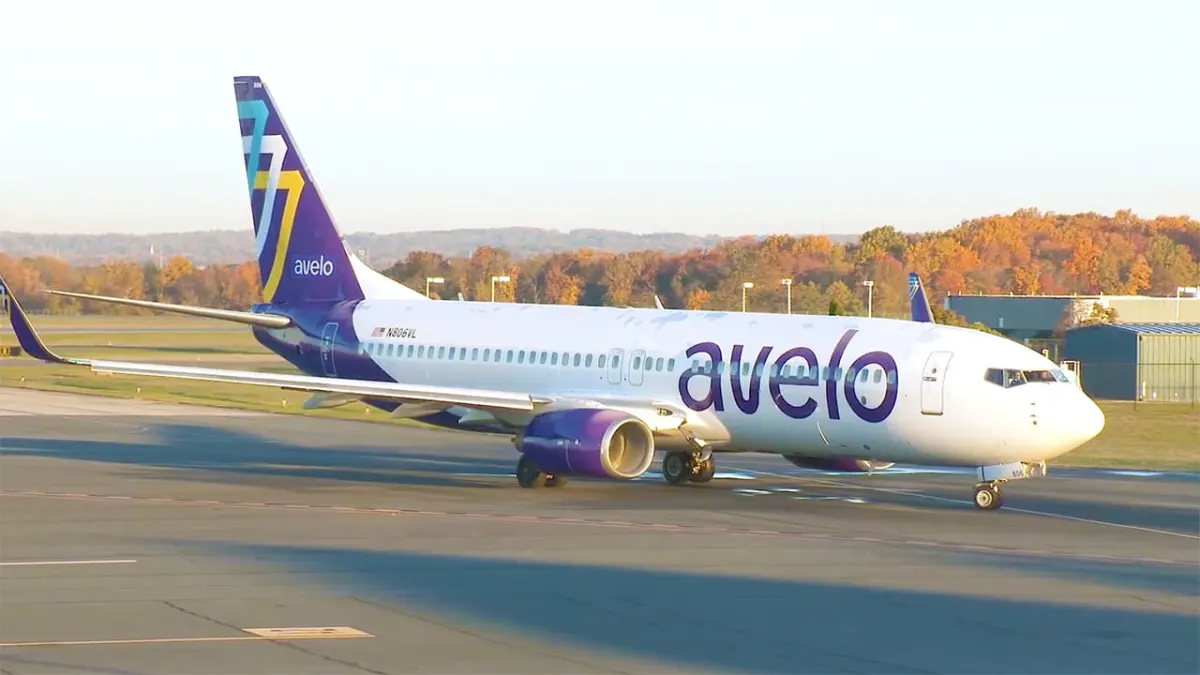
Avelo CEO Warns Airfares May Rise on Jet Fuel Price Spikes
Avelo Airlines CEO Andrew Levy warns that rising fuel costs may force fare increases as global jet fuel prices reach $171.01 per barrel.
IndiGo, Air India Battle for Mumbai-Delhi Route Dominance
IndiGo and the Air India group are competing for dominance on the Mumbai-Delhi air route, which saw 13.9 percent capacity growth this September.