Jet Zero Australia Raises $30M for Townsville SAF Refinery

Co-Founder & CEOAviation News Editor delivering trusted coverage across the global aviation industry.
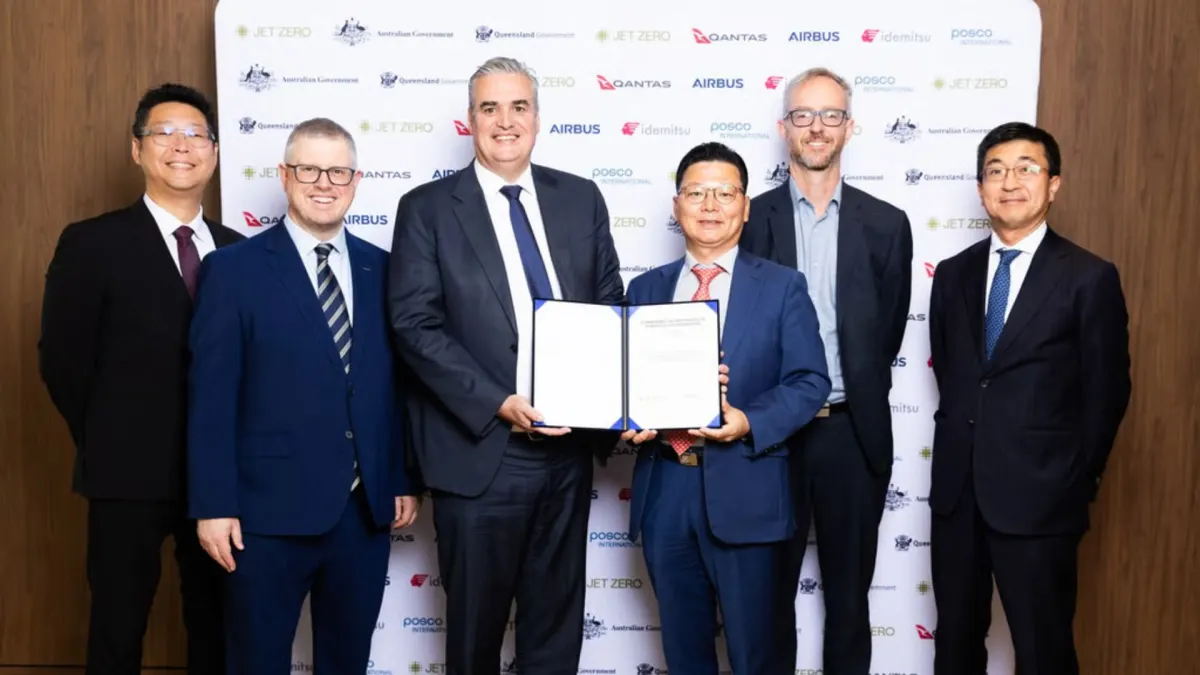
Jet Zero Australia secured $30 million in funding and final regulatory approval to advance its Project Ulysses sustainable aviation fuel refinery.
Key Takeaways
- •Jet Zero Australia raised $30 million for its Townsville SAF refinery.
- •Project Ulysses will produce 102 million liters of SAF annually.
- •The refinery is expected to create 1,000 construction and 100 permanent jobs.
- •Final Investment Decision is targeted between 2026 and 2027.
Capital Injection for Project Ulysses
Jet Zero Australia has successfully closed a $30 million funding round to accelerate the development of Project Ulysses, a commercial-scale Sustainable Aviation Fuel (SAF) and renewable diesel refinery located in Townsville. The capital injection, which includes investment from foundational backers Airbus and Qantas, marks a critical milestone in the company's efforts to establish a domestic Australian supply chain for low-carbon liquid fuels. The Qantas Group and Airbus have confirmed their roles as strategic investors in the facility, reflecting an industry-wide trend where aerospace end-users directly fund upstream production infrastructure to meet decarbonization mandates.
In addition to the equity raise, the company welcomed POSCO International as a new strategic investor. This move represents the energy conglomerate's first global investment in an Alcohol-to-Jet (ATJ) and renewable diesel developer. The newly secured funds are earmarked primarily for the completion of Front-End Engineering Design (FEED), the final technical stage required before a Final Investment Decision (FID) can be reached to commence physical construction.
Regulatory Milestone and Economic Impact
The project has also cleared a significant hurdle by securing its final Development Permit Decision Notice from the Queensland Office of the Coordinator-General. This Queensland Government publication identifies the refinery as a key component of the Townsville State Development Area. The approval, which encompasses both an Environmental Authority and an EPBC Act determination, effectively de-risks the site for potential financiers and construction partners.
Project Ulysses is designed to produce 102 million liters of SAF and 11 million liters of renewable diesel annually. Beyond its environmental output, the refinery is expected to serve as a major economic engine for North Queensland. Estimates indicate the facility will generate approximately 1,000 jobs during the construction phase and support 100 permanent operational roles once the plant is commissioned.
Technical Pathway and Industry Context
Jet Zero Australia is deploying the ATJ technology, a pathway developed by LanzaJet that converts agricultural bioethanol into drop-in aviation fuel. This approach follows the successful commercialization path seen in the LanzaJet Freedom Pines Fuels facility in Georgia, USA, which began operations between 2022 and 2025. By utilizing a proven chemical process, the project aims to minimize technical risk while scaling production to meet the growing demand for low-carbon fuel alternatives in the Asia-Pacific region.
While airlines champion SAF as the primary mechanism for aviation decarbonization, the industry faces ongoing scrutiny. According to environmental advocacy groups, there is persistent concern that an over-reliance on bio-based fuels could inadvertently drive land-use changes or distract from broader industry goals regarding the reduction of overall flight volumes.
Advancing Toward Construction
Looking ahead, Jet Zero Australia is targeting the 2026 to 2027 timeframe to reach its FID and initiate the construction of the Townsville refinery. The completion of the current FEED phase remains the immediate priority for the executive team. Achieving these milestones would solidify the company’s position as a leader in the Australian renewable energy sector and provide a reliable, localized source of SAF for international and domestic carriers operating in the region.
Why the Townsville Refinery Matters
The progression of Project Ulysses signals a shift in the Australian aviation market, moving from SAF procurement agreements to the physical development of domestic production capacity. For stakeholders, this move validates the viability of the ATJ pathway in the Australian context and provides a blueprint for future infrastructure projects. As global aviation regulators increase pressure on carriers to lower emissions, the ability of operators like Qantas to secure a stable, locally-produced supply of SAF will be a determining factor in their long-term operational and environmental sustainability.
Frequently Asked Questions
- What technology will the Jet Zero Australia refinery use to produce SAF?
- The Townsville refinery will utilize the Alcohol-to-Jet (ATJ) technology pathway, developed by LanzaJet, to convert agricultural bioethanol into sustainable aviation fuel.
- How much SAF is Project Ulysses expected to produce annually?
- Project Ulysses is designed to produce 102 million liters of sustainable aviation fuel and 11 million liters of renewable diesel each year.
For global airline trends and commercial aviation news, turn to omniflights.com. Track policy changes, airspace rules, and global aviation governance in the Regulatory category at omniflights.com/regulatory.
Written by Hardik Vishwakarma
Co-Founder & Aviation News Editor leading initiatives that improve trust and visibility across the global aviation industry. Covers airlines, airports, safety, and emerging technology.
Visit ProfileYou Might Also Like
Discover more aviation news based on similar topics
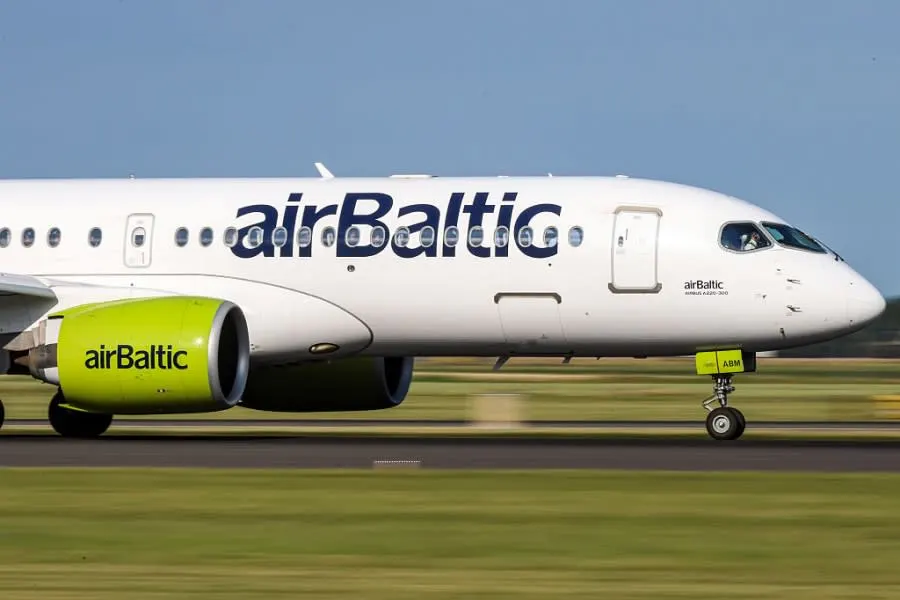
AirBaltic Files for Chapter 11 to Restructure Debt
AirBaltic has filed for Chapter 11 bankruptcy protection to restructure its finances while maintaining normal flight operations for passengers.
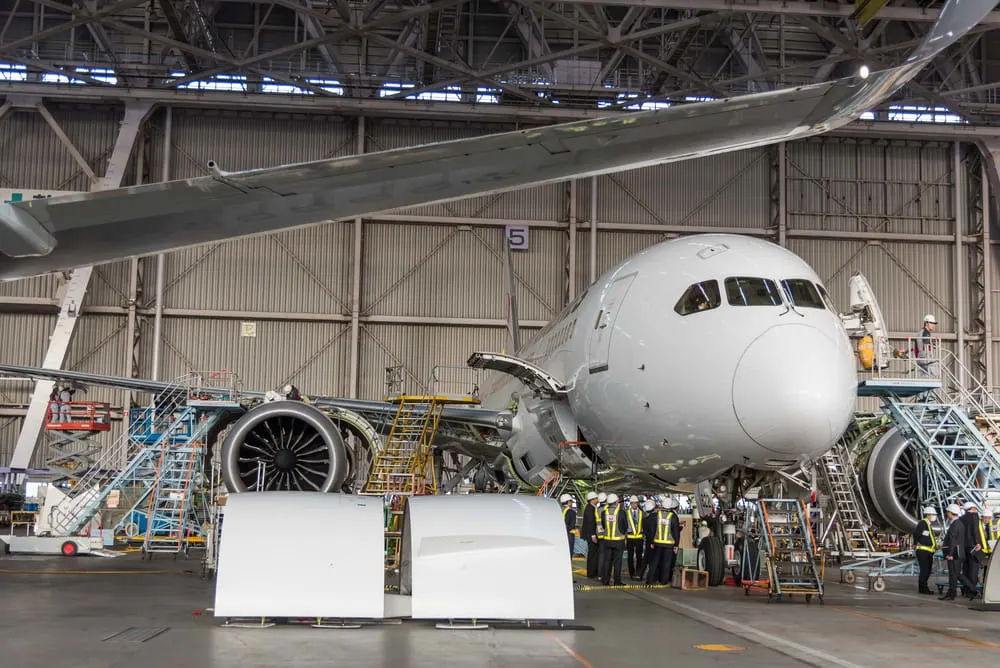
Boeing Wins $241M Navy Contract for F/A-18 Surface Repairs
Boeing secured a $241.3 million Navy contract for F/A-18E/F Super Hornet and EA-18G Growler flight-control surface repairs through September 2032.
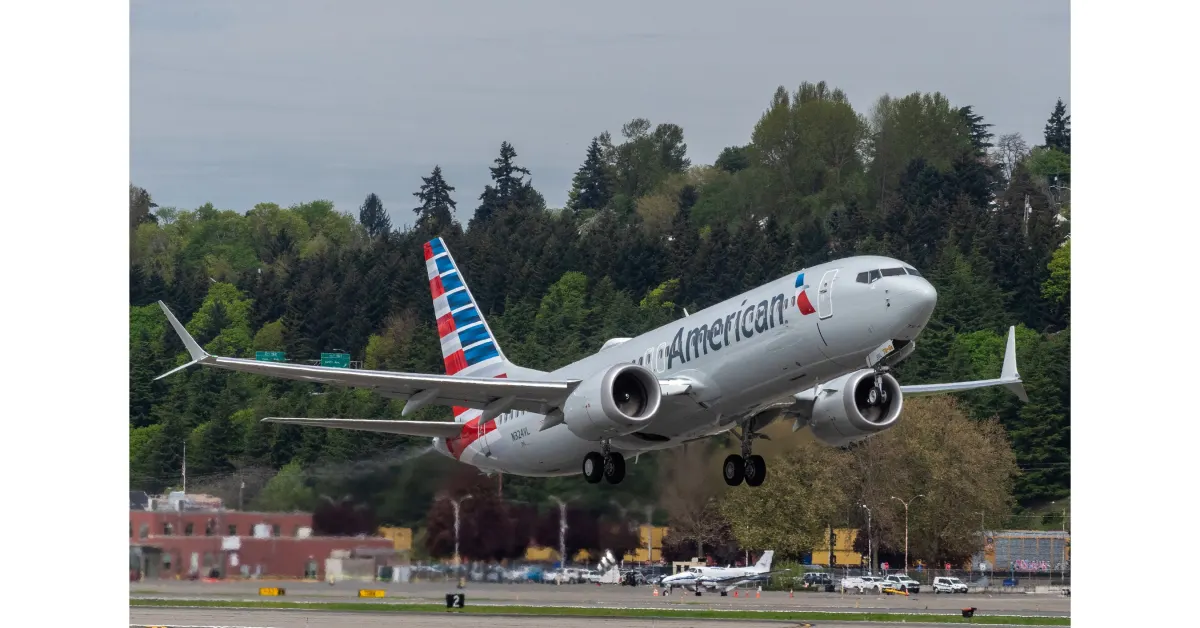
American Airlines Completes First 737 MAX Gear Exchange
Boeing and American Airlines completed the first 737 MAX landing gear exchange, marking the expansion of the program to reduce aircraft downtime.

Iberia Gains Unrestricted A350 Heavy Maintenance Approval
The Spanish aviation regulator AESA has granted Iberia Maintenance unrestricted authorization to perform heavy maintenance on the Airbus A350 fleet.

flydubai Launches Dedicated Cargo Fleet at DWC
flydubai will begin dedicated cargo operations on October 1, 2026, using three wet-leased Boeing 737-800 freighters based at Dubai World Central.

Boeing Deliveries Dip in August as Q2 Revenue Hits $24.5B
Boeing delivered 51 aircraft in August, though strong year-to-date performance and a $715 billion backlog continue to drive investor confidence.