Israel Caps Ben Gurion Flights at 50 Passengers Amid Security Threats

Co-Founder & CEOAviation News Editor delivering trusted coverage across the global aviation industry.
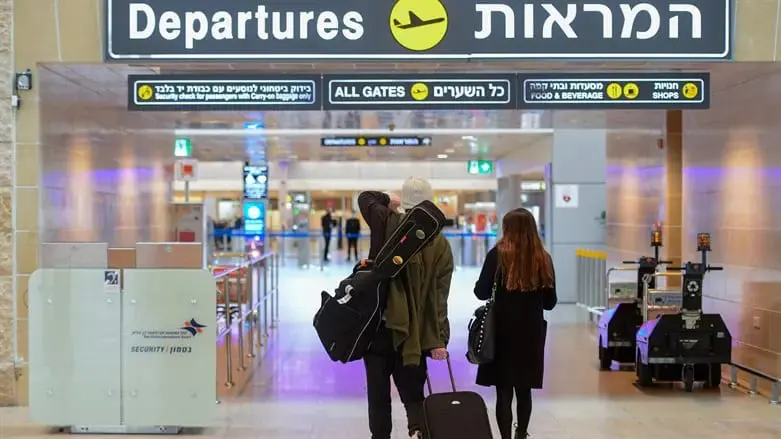
Israel has capped outbound Ben Gurion Airport flights at 50 passengers, forcing mass cancellations by El Al and Arkia ahead of Passover due to missile...
Key Takeaways
- •Caps outbound flights at a maximum of 50 passengers per aircraft from Ben Gurion Airport.
- •Forces El Al to cancel approximately 25,000 airline tickets ahead of the Passover holiday.
- •Reduces airport movements to a single takeoff and one landing per hour.
- •Prompts airlines to lobby for Ramon Airport as an alternative international hub.
The Israeli Ministry of Transportation has issued an emergency directive severely curtailing operations at Ben Gurion International Airport (TLV), capping outbound flights at a maximum of 50 passengers and restricting airport movements to one takeoff and one landing per hour. The new rules, a response to ongoing Iranian missile attacks, have thrown the country's aviation sector into disarray just days before the peak Passover travel season, leading to widespread flight cancellations and significant operational challenges for Israeli carriers.
The directive, championed by Transportation Minister Miri Regev as a necessary risk management measure, represents a drastic reduction from the previous allowance of 120 to 150 passengers per outbound flight. This Israel outbound flight cap of 50 passengers has rendered most commercial flights economically unviable, forcing airlines to transition to what is being described as essential or humanitarian flight activity. The immediate impact on passengers has been severe, with thousands of travel plans disrupted ahead of the Pesach holiday.
Industry Reaction and Operational Challenges
The response from Israel's airlines has been swift and critical. El Al Israel Airlines (LY), the national carrier, announced it was forced to cancel approximately 25,000 airline tickets for flights scheduled through March 27. The financial and logistical impact of the El Al Passover flight cancellations is substantial, affecting a key revenue period for the airline.
Other carriers echoed the sentiment. Oz Berlovitz, CEO of Arkia Israeli Airlines (IZ), stated that running an aviation system under such tight constraints is impossible. "I cannot stand at the aircraft door and decide who boards and who stays behind," Berlovitz commented, highlighting the practical dilemma the directive creates. The airline industry's perspective is that the cap effectively amounts to a government-forced shutdown of commercial airspace.
In response to the restrictions at TLV, airlines are actively seeking alternatives. El Al has formally requested that Ramon International Airport (ETM) near Eilat be opened to handle international traffic. This move to an alternative regional hub is seen as a way to maintain essential air connectivity outside the primary threat zone affecting central Israel. The government has yet to approve this proposal.
Context: Precedents and Repatriation Efforts
This is not the first time Israeli aviation has faced severe operational limits during a national emergency. During the initial phase of the conflict in October 2023, most foreign airlines suspended services to Tel Aviv, leaving Israeli carriers to maintain a critical air bridge under heightened security protocols. Similarly, during the COVID-19 pandemic in January 2021, the government completely closed Ben Gurion Airport to nearly all passenger traffic to prevent the entry of new virus variants. These historical precedents demonstrate a pattern of decisive government intervention at TLV during crises, prioritizing national security or public health over commercial aviation activity.
The current restrictions come after Israeli airlines successfully repatriated 140,000 Israelis since the airport began to reopen earlier in the conflict, a figure provided by the Israeli Ministry of Transportation. This highlights the critical role the airlines have played in maintaining the country's connection to the world.
What Comes Next
The immediate focus is on the upcoming Passover holiday travel peak, which begins on April 1, 2026. With thousands of tickets already cancelled, the pressure on the Ministry of Transportation to find a viable solution is immense. The ministry is expected to conduct a reassessment of the flight restrictions in late March 2026. The outcome of this review will depend on the prevailing security situation. Passengers with upcoming travel plans are advised to monitor official updates from their airlines and the Israel Airports Authority (IAA).
Why This Matters
This development underscores the profound vulnerability of civil aviation to geopolitical conflicts. For Israel, the decision highlights the ongoing tension between maintaining national security and preserving economic and social normalcy. The 50-passenger cap, while intended to save lives, effectively paralyzes the country's primary international gateway, posing a significant threat to its connectivity and tourism sector. The industry's ability to adapt, potentially by shifting operations to alternative airports like Ramon, will be a critical test of its resilience in the face of sustained regional instability.
For in-depth airline coverage and commercial aviation news, omniflights.com delivers timely industry insights. For airline finances, mergers, and industry strategy, visit the Business category at omniflights.com/business.
Written by Hardik Vishwakarma
Co-Founder & Aviation News Editor leading initiatives that improve trust and visibility across the global aviation industry. Covers airlines, airports, safety, and emerging technology.
Visit ProfileYou Might Also Like
Discover more aviation news based on similar topics

FAA Faces $3.5 Billion Shortfall in ATC Modernization
FAA Administrator Bryan Bedford reported a $3.5 billion shortfall for the Brand New Air Traffic Control System, totaling $16 billion for Phase One.

FAA Pauses Flights into LAX Due to Staffing Shortages
The FAA issued a temporary ground stop for flights bound for LAX on Monday morning due to staffing shortages at the Southern California TRACON.

FAA Proposes Ending Overland Supersonic Flight Ban
The FAA has proposed a new performance-based noise standard to replace the 1973 ban on overland supersonic flight, enabling future commercial travel.

DOT Rule Exempts Airlines From Cyberattack Delay Costs
Starting October 19, 2026, the DOT will allow airlines to withhold meal and hotel vouchers for delays caused by cyberattacks and nine other events.

Wizz Air, Ryanair Demand NATS Reform After ATC Failure
Wizz Air and Ryanair are calling for urgent NATS reform after a September 8 system failure caused over 1,000 flight cancellations across the UK.

US Treasury Iran Sanctions Target 27 Airlines, Mahan Air
The U.S. Treasury sanctioned 36 entities, including 27 Iranian airlines, to disrupt illicit procurement networks used by the Iranian government.