ISCC, OMV & Airbus Partner on SAF 'Book and Claim' Ecosystem

Aviation News Editor & Industry AnalystAviation News Editor & Industry Analyst delivering clear coverage for a worldwide audience.

ISCC, OMV, and Airbus partner to scale Sustainable Aviation Fuel (SAF) production using a 'Book and Claim' system to address supply chain challenges.
Key Takeaways
- •Partners to create a 'Book and Claim' system for Sustainable Aviation Fuel (SAF)
- •Establishes Airbus as a 'facilitator' in the ISCC Credit Transfer System
- •Aims to help meet the ICAO goal of a 5% CO2 reduction in aviation by 2030
- •Decouples SAF's environmental attributes from its physical supply to scale adoption
A new partnership between the International Sustainability and Carbon Certification (ISCC), fuel producer OMV, and aircraft manufacturer Airbus aims to scale the market for Sustainable Aviation Fuel (SAF) through a 'Book and Claim' chain-of-custody model. The collaboration is designed to address persistent challenges in the SAF ecosystem, including limited physical supply and logistical bottlenecks, as the industry works toward a global goal of reducing CO2 emissions by 5% by 2030.
The initiative establishes a framework where the environmental attributes of SAF can be purchased and claimed separately from the physical fuel itself. This decoupling is critical for an industry where SAF production is concentrated in specific regions, while demand is global. Under the agreement, Airbus will take on a new role as a 'facilitator' within the ISCC Credit Transfer System, managing transactions between various actors in the supply chain.
The Challenge of Scaling SAF
The aviation industry's decarbonization efforts rely heavily on the increased adoption of SAF, which can significantly reduce lifecycle carbon emissions compared to conventional jet fuel. However, production remains a major hurdle. According to a report from Future Cleantech Architects (FCA), global SAF production in 2023 was approximately 0.5 million tonnes, representing less than 0.5% of total global jet fuel consumption. This supply-side constraint makes it difficult for many airlines and corporate clients to access SAF directly, hindering progress towards sustainability targets.
The partnership directly addresses this gap by leveraging the ISCC's globally recognized certification standard. The Book and Claim system allows an airline or corporate entity to purchase SAF credits from a producer like OMV, which then delivers the physical fuel into the nearest airport's infrastructure. The buyer receives a verified certificate for the emissions reduction, which can be used for compliance with regulatory schemes or for corporate environmental, social, and governance (ESG) reporting.
Regulatory Framework and Industry Impact
This collaboration aligns with evolving regulatory frameworks designed to promote cleaner energy in aviation. The European Union's ReFuelEU Aviation Mandate includes provisions for assessing a tradability system like Book and Claim to overcome supply issues at EU airports. Similarly, the International Civil Aviation Organization's (ICAO) CORSIA (Carbon Offsetting and Reduction Scheme for International Aviation) allows airlines to use SAF to reduce their carbon offsetting requirements, a process streamlined by credible certification systems.
For stakeholders, the impacts are significant. Fuel producers like OMV gain access to a wider market, as they can sell SAF attributes to customers globally without needing to establish complex physical supply chains to every location. Airlines can more easily meet their sustainability commitments and regulatory obligations, even if their primary operating bases lack direct SAF infrastructure. For corporate travel buyers, the system provides a verifiable method to claim Scope 3 emissions reductions, directly funding the energy transition in aviation.
"Scaling SAF is not only a question of production and demand, but also of trust," said Dr. Norbert Schmitz, Managing Director of ISCC. "Fuel producers, aircraft manufacturers and certification systems each play different roles, but credible and scalable solutions can only emerge when such perspectives come together."
Context and Alternative Views
The concept of a Book and Claim system is not entirely new. In 2021, the Roundtable on Sustainable Biomaterials (RSB) launched an early framework for trading SAF environmental attributes. A year later, in 2022, the Avelia blockchain platform was introduced by Shell, Accenture, and Amex GBT as a pilot for corporate SAF claims. The ISCC, OMV, and Airbus partnership represents a significant evolution, moving from pilot programs to a scaled solution backed by a major aircraft manufacturer and a global certification body.
However, some organizations express caution. The Aviation Environment Federation (AEF) has raised concerns that such systems could risk double-counting emissions reductions if the Scope 1 claims by airlines and Scope 3 claims by corporate buyers are not meticulously separated and audited. Additionally, the FCA has argued that an over-reliance on flexible accounting might reduce the financial incentive to invest in and build dedicated SAF refineries where they are most needed.
What Comes Next
The primary milestone for the aviation industry is the ICAO's target to reduce CO2 emissions from international flights by 5% by 2030 through the use of cleaner energy. The successful implementation and scaling of the ISCC Credit Transfer System, with Airbus as a facilitator, will be a key enabler for airlines and other stakeholders aiming to contribute to this goal. The partnership's immediate focus will be on operationalizing the credit transactions and ensuring the system's integrity and transparency to build market confidence.
Why This Matters
This collaboration signals a critical shift towards pragmatic, market-based solutions to accelerate aviation's decarbonization. By creating a scalable and trustworthy framework for SAF trading, the partnership unlocks a vital mechanism for corporate and airline investment in sustainable fuels, effectively overcoming the geographical mismatch between production and demand. It represents a foundational step in financializing the aviation energy transition, making sustainability targets more accessible for the entire industry.
Stay ahead of the airline industry with commercial aviation news from omniflights.com. Get the latest updates on major hubs, regional terminals, and airport operations via the Airports section at omniflights.com/airports.
Written by Ujjwal Sukhwani
Aviation News Editor & Industry Analyst delivering clear coverage for a worldwide audience. Covers flight operations, safety regulations, and market trends with expert analysis.
Visit ProfileYou Might Also Like
Discover more aviation news based on similar topics

American Airlines Flies First U.S. eSAF Passenger Flight
American Airlines completed the first U.S. commercial flight using Infinium eSAF, a synthetic fuel that reduces lifecycle emissions by over 90%.
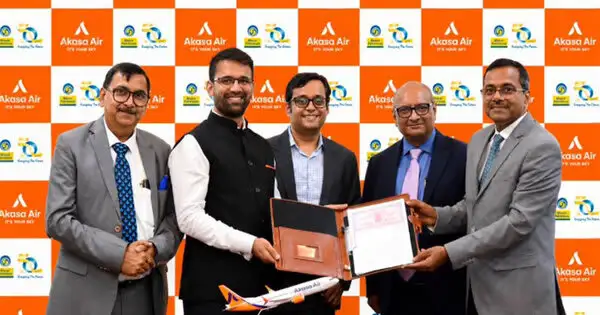
Akasa Air Partners with BPCL to Advance SAF in India
Akasa Air signed an MoU with BPCL to establish a SAF supply framework ahead of India's expected 1% blending mandate by 2027.

Delta, Shell Aviation Ink 5-Year SAF Supply Agreement
Delta Air Lines and Shell Aviation have signed a five-year agreement to supply Sustainable Aviation Fuel across five major U.S. hubs through 2030.
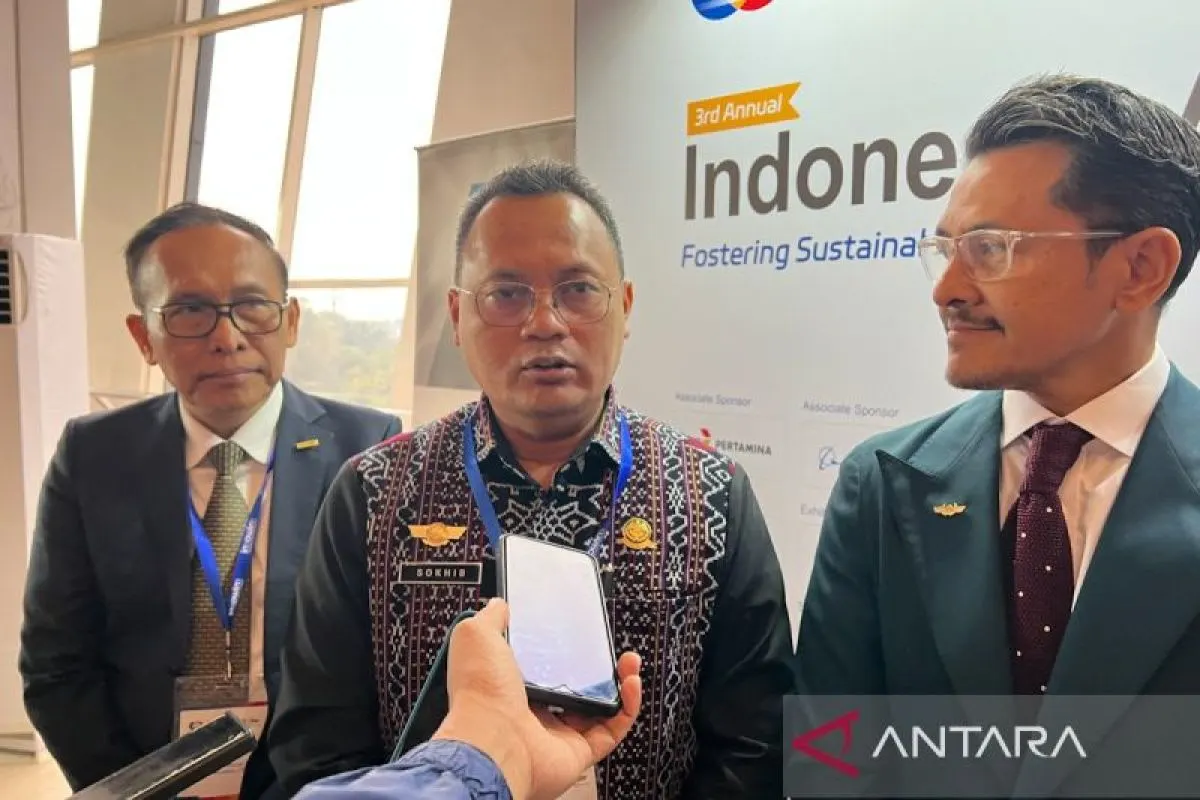
Indonesia to Mandate 1% SAF Blend for Flights by 2027
Indonesia will require a 1% Sustainable Aviation Fuel blend on international flights departing from Jakarta and Bali starting in 2027.
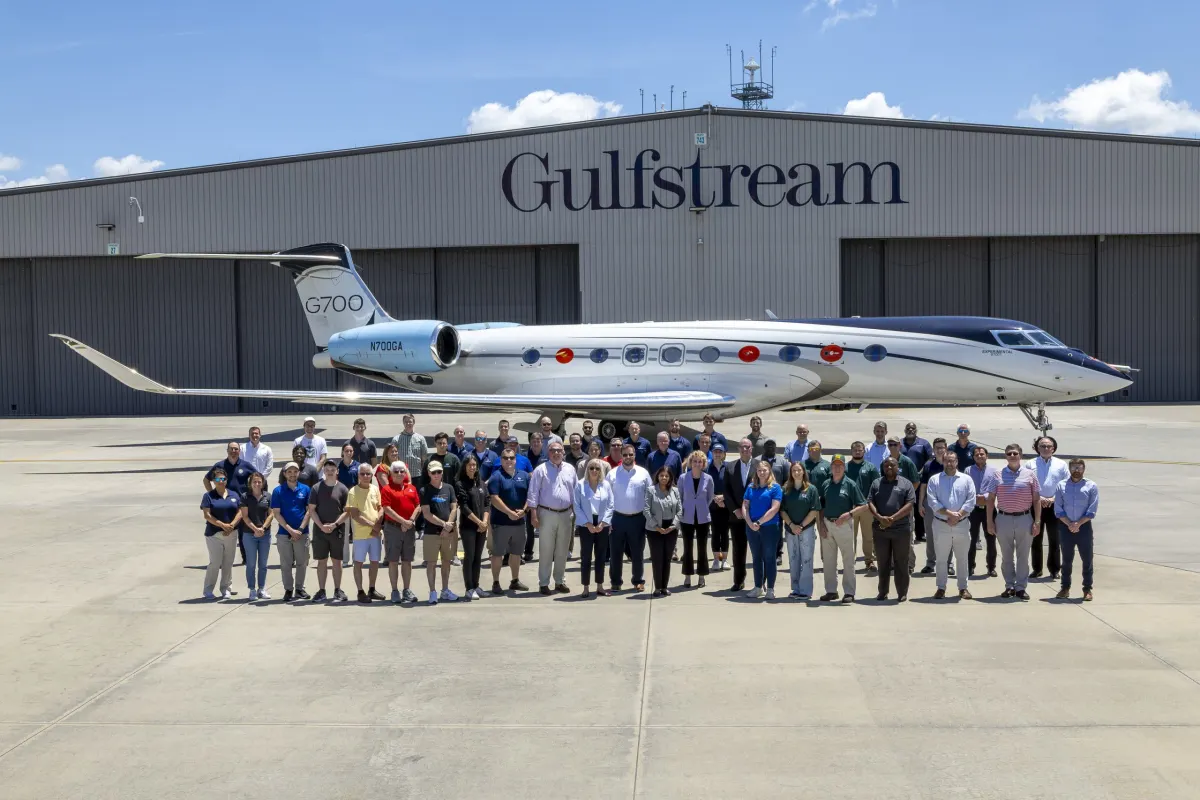
Gulfstream G800 Completes 100% SAF High-Altitude Emissions Test
Gulfstream tested 100% SAF on a G800 at 50,000 feet to measure emissions, marking a key step toward certifying unblended synthetic fuels.
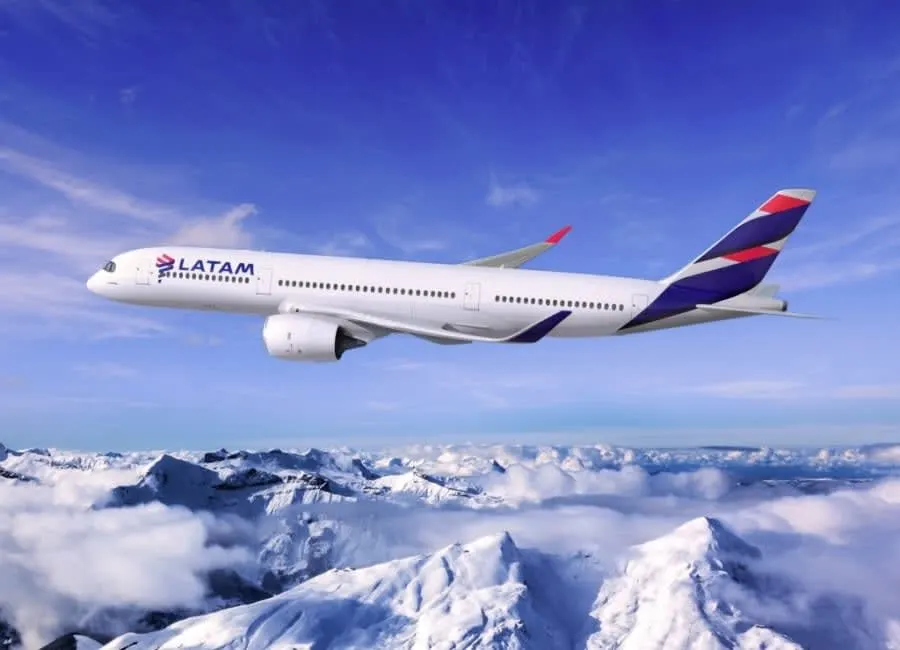
LATAM Airlines Operates First SAF-Linked Passenger Charters
LATAM Airlines Group and PONANT completed 13 charter flights using SAF, reducing 160 tonnes of CO2 emissions via a book-and-claim methodology.