IndiGo 787s Divert, Return After Eritrean Airspace Call Sign Mix-Up

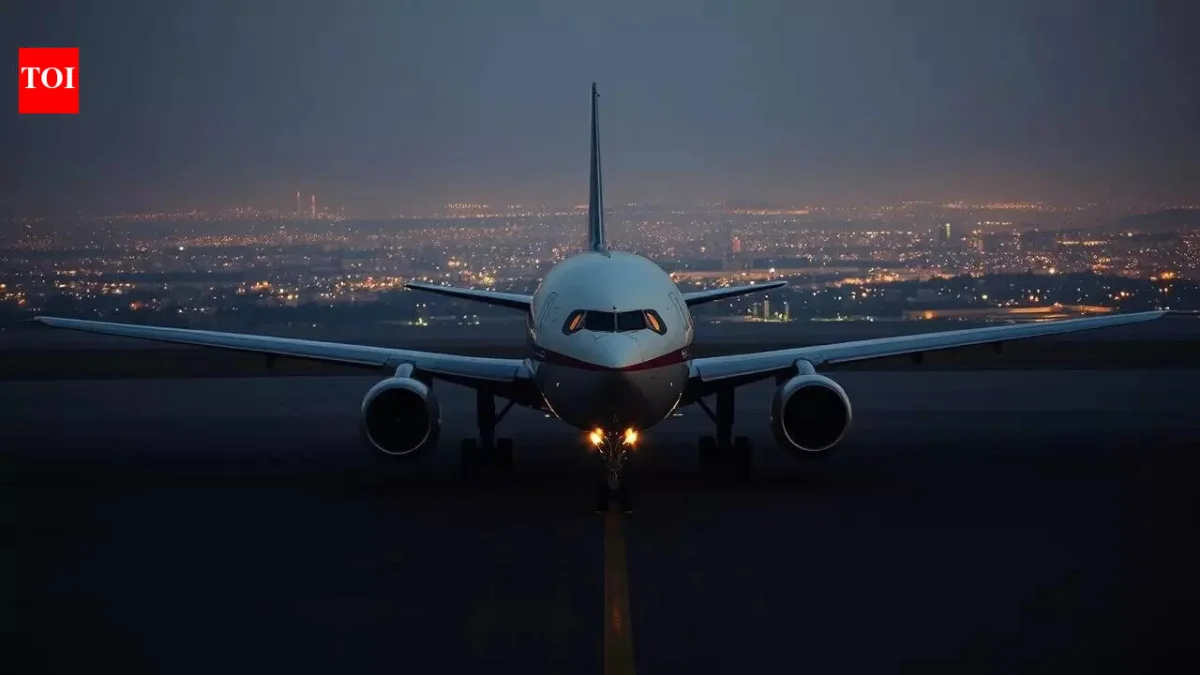
IndiGo flights to the UK faced major disruptions, with one returning to Delhi after 13 hours due to a call sign error over Eritrea involving leased aircraft.
Key Takeaways
- •Returned a Manchester-bound flight to Delhi after 13 hours airborne.
- •Diverted a London-Mumbai flight to Cairo due to Eritrean airspace denial.
- •Stems from a call sign mix-up involving wet-leased Norse Atlantic Boeing 787s.
- •Highlights operational risks of EASA airspace bans forcing reroutes over Africa.
An IndiGo flight bound for Manchester returned to Delhi after being airborne for approximately 13 hours following an operational issue involving a call sign mix-up in Eritrean airspace. A second long-haul flight from London to Mumbai also diverted to Cairo. The incidents highlight the complex operational challenges airlines face when using wet-leased aircraft from different regulatory jurisdictions to navigate geopolitical airspace restrictions.
The disruptions involved two of IndiGo’s long-haul European routes operated by Boeing 787-9 aircraft. Flight 6E33 from Delhi to Manchester was forced to turn back, while flight 6E2 from London Heathrow to Mumbai diverted to Cairo after more than six hours in the air. The root cause was a procedural error with Eritrean Air Traffic Control (ATC). IndiGo was using its own flight call sign for clearance, but because the aircraft are registered to the lessor, Norse Atlantic Airways, Eritrean authorities expected a Norse Atlantic call sign and denied entry into their airspace.
Regulatory and Airspace Complexities
The situation is compounded by strict airspace mandates from the European Union Aviation Safety Agency (EASA). Norse Atlantic Airways, as an EU-based carrier, must comply with an EASA Conflict Zone Information Bulletin (CZIB) that prohibits operations over certain parts of the Middle East. This forces flights between India and Europe to take longer, more southerly routes over Africa, transiting airspace like Eritrea’s.
The wet-lease, or ACMI (Aircraft, Crew, Maintenance, and Insurance), agreement allows IndiGo to utilize Norse Atlantic's aircraft and crew. However, the aircraft remains under the regulatory purview of EASA, creating a dual-layered compliance environment. While IndiGo manages the commercial aspects of the flight, Norse Atlantic is responsible for operational compliance with EASA directives. This administrative gap appears to be at the center of the call sign confusion that led to the flight disruptions.
These reroutings and cancellations are becoming more common. According to data from Cirium, Air India and IndiGo cancelled 64% of their 1,230 scheduled flights to the Middle East, Europe, and North America over a recent 10-day period due to airspace restrictions. The operational strain underscores the challenges of maintaining network integrity amid ongoing geopolitical conflicts.
Industry Impact and Passenger Rights
The incidents place a spotlight on the growing trend of Indian carriers using wet-leases to rapidly expand their long-haul networks. IndiGo has leased six Boeing 787-9 aircraft from Norse Atlantic as a bridge solution while it awaits deliveries of its own widebody Airbus A350 fleet, expected to begin in 2027. While ACMI leases offer a fast track to market expansion, these events demonstrate the potential for significant operational friction if administrative and regulatory protocols are not perfectly aligned between the lessor and lessee.
For affected passengers, the disruptions trigger mandatory compensation under Indian regulations. The Directorate General of Civil Aviation (DGCA) enforces Civil Aviation Requirements (CAR) Section 3, Series M, Part IV, which mandates that airlines provide compensation, alternate flights, or full refunds for passengers impacted by such significant delays and cancellations. IndiGo is expected to face substantial costs related to passenger care and compensation following these events.
Why This Matters
This pair of incidents exposes the critical vulnerabilities inherent in cross-border wet-leasing arrangements. It demonstrates how a simple administrative error, when combined with complex geopolitical airspace restrictions and differing regulatory authorities, can lead to severe operational failures, significant financial costs, and major passenger disruption. For the industry, it serves as a case study on the absolute necessity for seamless integration and communication between leasing partners to ensure operational safety and reliability.
From airline operations to fleet updates, commercial aviation news lives at omniflights.com. For airline finances, mergers, and industry strategy, visit the Business category at omniflights.com/business.

Written by Ujjwal Sukhwani
Aviation News Editor & Industry Analyst delivering clear coverage for a worldwide audience. Covers flight operations, safety regulations, and market trends with expert analysis.
Visit ProfileYou Might Also Like
Southwest Reports Record Q3 Revenue Amid Transformation
American Airlines Reports Record Q3 Revenue Amid Fuel Costs
American Airlines Projects 2026 Loss on Rising Fuel Costs
American Airlines to Nearly Triple Premium 787-9 Fleet
Airline Shares Rise Following United Revenue Guidance