Indian Airlines Mount Special Flights to Repatriate Passengers from Gulf

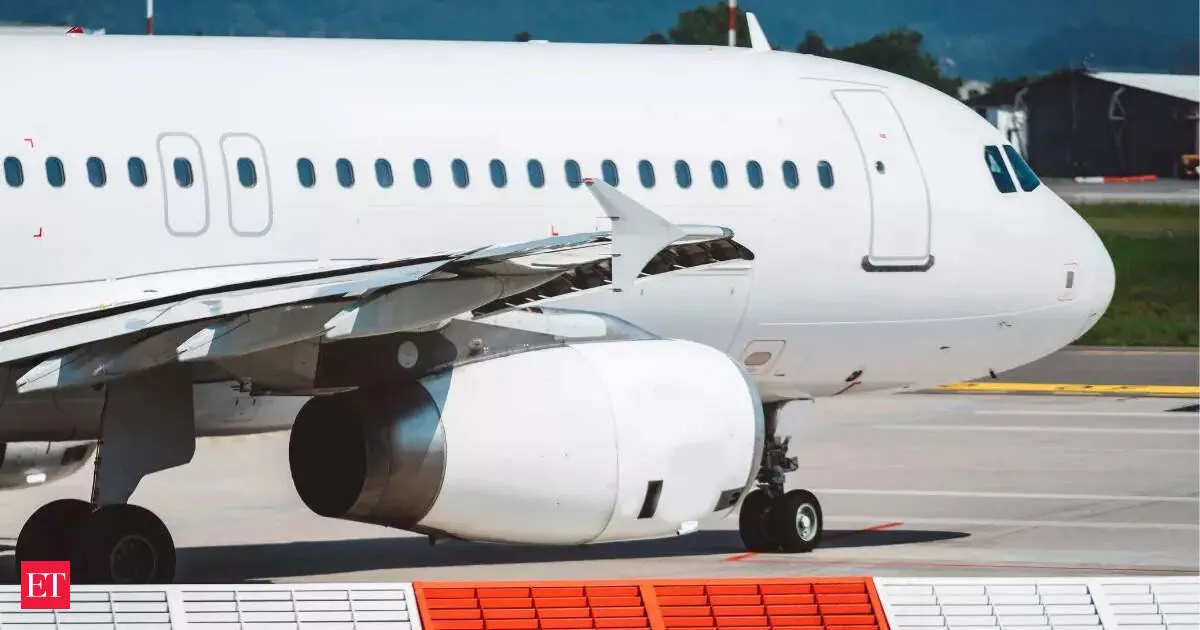
Indian carriers are operating special flights to the Gulf to repatriate passengers stranded by regional volatility and widespread airspace closures.
Key Takeaways
- •Operated dozens of special flights to repatriate passengers from six Gulf cities.
- •Responded to a DGCA advisory to avoid airspace in 11 Middle Eastern countries.
- •Cancelled over 140 international flights on March 7 due to airspace restrictions.
- •Offered fee waivers for cancellations and re-bookings to assist stranded travelers.
Major Indian airlines, including Air India and IndiGo, are operating special flights on March 7 to repatriate thousands of passengers stranded in the Middle East. The coordinated effort follows significant air travel disruptions caused by regional volatility and resulting airspace restrictions. According to an Air India statement, the carrier and its low-cost subsidiary, Air India Express, planned to operate a combined total of around 50 flights on March 7 to and from key Gulf cities.
The large-scale repatriation mission is a direct response to widespread flight cancellations that have affected the region. These cancellations stem from an advisory issued by India's Directorate General of Civil Aviation (DGCA), which directed carriers to avoid specific airspaces. The special flights aim to alleviate the backlog of stranded travelers and provide a crucial lifeline for those seeking to return to India amidst the ongoing uncertainty.
Coordinated Repatriation Efforts
The operational response from Indian carriers has been swift and extensive. Air India and Air India Express are focusing their efforts on six key Gulf destinations: Dubai, Abu Dhabi, Muscat, Jeddah, Ras Al Khaimah, and Sharjah. In addition to the flights on March 7, Air India announced plans for over 30 additional flights on March 8 to continue the repatriation process.
In a statement posted on social media, Air India confirmed the plan, stating, "Air India and Air India Express continue to operate scheduled flights to/from Jeddah and Muscat assessed safe for operations. Additional non-scheduled flights have been planned to operate to and from Abu Dhabi, Dubai, Muscat, Ras Al-Khaimah and Sharjah on 7 March, to fly the stranded passengers back to India." The airline also reassured passengers that its long-haul services to Europe and North America are operating normally by utilizing safe, alternative flight paths.
India's largest carrier, IndiGo (6E), also confirmed its participation, planning special services to five Middle East destinations on March 7. This is despite the airline having to cancel 144 international flights scheduled for the same day due to the airspace restrictions. Low-cost carrier SpiceJet (SG) also announced it would operate special flights to the region to assist in bringing passengers home. All operations are being closely coordinated with Indian and local authorities to secure necessary clearances.
Regulatory Directives and Airspace Restrictions
The root cause of the disruption is a directive from the DGCA. On February 28, 2026, the Indian aviation regulator issued an advisory instructing Indian airlines to avoid the airspace of 11 Middle Eastern countries until March 2, 2026. The advisory cited a high-risk environment for civil aviation, forcing airlines to either cancel flights or implement significant rerouting.
The impact has been substantial across the region. According to industry data, over 25,000 flights were cancelled in the Middle East between February 28 and March 5. This highlights the cascading effect of airspace closures on a critical global aviation hub. The current repatriation flights are operating under special permissions, navigating complex logistical and diplomatic channels to ensure safe passage.
Passenger Accommodations and Outlook
In response to the widespread disruption, airlines have implemented measures to assist affected passengers. Carriers are offering fee waivers for cancellations and re-bookings on affected routes. IndiGo has extended its waiver policy until March 31, 2026, providing travelers with additional flexibility as the situation evolves.
While the special flights address the immediate needs of stranded passengers, airlines have emphasized that all schedules are subject to change based on real-time safety assessments. The carriers continue to monitor the geopolitical situation closely, prioritizing the safety of passengers and crew. Passengers are advised to check official airline channels, such as the Air India Middle East Flight Updates, for the latest information on flight status before heading to the airport.
Why This Matters
This large-scale repatriation effort underscores the airline industry's capacity for rapid crisis management in response to geopolitical instability. It highlights the critical role of national regulators like the DGCA in issuing safety directives that, while disruptive, are paramount for passenger security. For the aviation sector, the event serves as a case study in operational resilience, demonstrating the complex logistics required to manage airspace closures, reroute international traffic, and coordinate passenger recovery missions across multiple borders.
For in-depth airline coverage and commercial aviation news, omniflights.com delivers timely industry insights. Get the latest updates on major hubs, regional terminals, and airport operations via the Airports section at omniflights.com/airports.

Written by Ujjwal Sukhwani
Aviation News Editor & Industry Analyst delivering clear coverage for a worldwide audience. Covers flight operations, safety regulations, and market trends with expert analysis.
Visit ProfileYou Might Also Like

Southwest Reports Record Q3 Revenue Amid Transformation
American Airlines Reports Record Q3 Revenue Amid Fuel Costs
American Airlines Projects 2026 Loss on Rising Fuel Costs
American Airlines to Nearly Triple Premium 787-9 Fleet

Airline Shares Rise Following United Revenue Guidance