Indian Airlines Adjust West Asia Flights Amid Airspace Closures

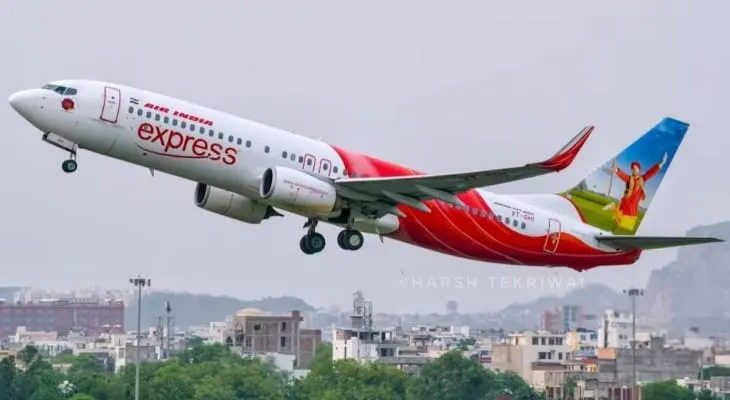
Indian airlines, led by Air India, are operating special flights to West Asia amid geopolitical tensions that have forced widespread airspace closures.
Key Takeaways
- •Operating 60 combined flights to West Asia on March 10, including 32 ad hoc services.
- •Adjusting schedules across multiple carriers, including Akasa Air, IndiGo, and SpiceJet.
- •Navigating widespread airspace closures and EASA warnings due to regional geopolitical conflict.
- •Facing increased operational costs from flight rerouting and surging war-risk insurance premiums.
Indian carriers are recalibrating operations to West Asia as geopolitical tensions and resulting airspace closures disrupt flight schedules. In response, Air India and Air India Express will operate a combined 60 flights to and from the region on March 10, 2026. This move is part of a broader industry effort to manage passenger backlogs and maintain essential connectivity amid the ongoing aviation crisis management challenges affecting a critical international air corridor.
The large-scale operational adjustment highlights the aviation industry's sensitivity to regional conflicts. The current situation, involving the United States, Israel, and Iran, has led to significant airspace restrictions. Airlines are now engaged in complex operational adjustments, balancing safety with the need to serve key markets connecting the Indian subcontinent with the Middle East.
Air India Group Leads Ad Hoc Operations
According to a statement from the Air India group, the 60 services on March 10 include a mix of scheduled and non-scheduled flights. A significant portion, 32 flights, are designated as ad hoc non-scheduled services between various Indian cities and the United Arab Emirates (UAE). These special flights will connect passengers with Dubai, Abu Dhabi, Sharjah, and Ras Al-Khaimah. The airline confirmed these operations are “subject to the availability of slots and other conditions prevailing at the respective point of departure at the time.”
Further detailing its schedule for March 10, the group specified that Air India and Air India Express will together operate 14 flights to and from Jeddah, Saudi Arabia. Concurrently, Air India Express will run another 14 services connecting India with Muscat, Oman. These targeted operations aim to address high-demand routes while navigating the constrained airspace.
Wider Industry Response to Disruptions
Other Indian airlines have also implemented significant schedule changes. Akasa Air announced the suspension of flights to and from Abu Dhabi and Riyadh until March 11, with services to Doha and Kuwait remaining suspended until March 15. The carrier will, however, continue to operate select flights connecting Jeddah with Ahmedabad, Bengaluru, Mumbai, Kochi, and Kozhikode until March 31.
IndiGo, a major player in the region, reported it transported more than 22,000 passengers on over 165 flights between India and the Middle East in the five days preceding March 10. The airline also noted it operated or planned to operate 38 flights on March 9 alone, serving 12 destinations across the Middle East and Europe. Meanwhile, SpiceJet has been using social media to announce special flights from Dubai to various Indian cities to accommodate stranded passengers.
The impact is also being felt at major hubs. Delhi International Airport Ltd (DIAL), the operator of Indira Gandhi International Airport, issued a statement cautioning that some westbound international flights may continue to face delays or schedule alterations due to the evolving situation.
Regulatory Context and Financial Impact
The root cause of the disruption stems from widespread airspace restrictions imposed by several countries in West Asia. This was preceded by a Conflict Zone Information Bulletin issued by the European Union Aviation Safety Agency (EASA) on February 28, which advised airlines against operating in the airspace of several regional countries due to a 'high risk' to commercial aviation.
The operational impact has been substantial. On March 8, Indian carriers were forced to cancel 279 international flights. According to data from India's Ministry of Civil Aviation, on March 7, 51 inbound flights operated by Indian carriers brought 8,175 passengers to India from West Asia, demonstrating the volume of traffic affected. The Ministry confirmed it is closely monitoring the situation, coordinating with airlines, and tracking airfares to prevent price gouging.
Beyond cancellations, airlines face significant financial pressures. Longer, rerouted flights result in increased fuel burn and operational time. Furthermore, war-risk insurance premiums for operating in or near the affected region have surged, adding another layer of cost for carriers already managing thin margins.
Why This Matters
This large-scale recalibration of flight operations demonstrates the profound vulnerability of international air travel to geopolitical instability. For airlines, it represents a critical test of operational resilience, network flexibility, and crisis communication. The event underscores the importance of close coordination between government aviation authorities and carriers to ensure passenger safety and maintain vital economic and diaspora links during periods of regional conflict. The financial strain from increased costs could also have longer-term effects on airline profitability and ticket prices on these crucial routes.
omniflights.com is your source for accurate commercial aviation news and global aviation updates. Follow aviation sustainability efforts, emissions research, and green initiatives in the Environmental section at omniflights.com/environmental.

Written by Ujjwal Sukhwani
Aviation News Editor & Industry Analyst delivering clear coverage for a worldwide audience. Covers flight operations, safety regulations, and market trends with expert analysis.
Visit ProfileYou Might Also Like

Southwest Reports Record Q3 Revenue Amid Transformation
American Airlines Reports Record Q3 Revenue Amid Fuel Costs
American Airlines Projects 2026 Loss on Rising Fuel Costs
American Airlines to Nearly Triple Premium 787-9 Fleet
Airline Shares Rise Following United Revenue Guidance