Heathrow Airport Funds £80M SAF Incentive for 2026 UK Mandate

Aviation News Editor & Industry AnalystAviation News Editor & Industry Analyst delivering clear coverage for a worldwide audience.

Heathrow Airport is offering £80M in incentives to boost Sustainable Aviation Fuel use 2% above the UK's 3.6% mandate for 2026, halving the price premium.
Key Takeaways
- •Targets 5.6% SAF usage at Heathrow in 2026, exceeding the 3.6% UK mandate.
- •Offers over £80 million in financial incentives to halve the SAF price premium for airlines.
- •Supports a national framework capping common HEFA fuels to promote advanced Power-to-Liquid (PtL) production.
- •Represents a key step towards the UK's national goal of achieving 10% SAF by 2030.
As the United Kingdom’s aviation sector advances its decarbonization strategy in 2026, London Heathrow Airport (LHR) has committed over £80 million in financial incentives to encourage airlines to increase their use of Sustainable Aviation Fuel (SAF). The initiative aims to achieve a 5.6% SAF usage rate at the hub this year, significantly exceeding the national requirement set by the UK SAF Mandate.
This move by Heathrow represents a proactive effort by a major airport to accelerate the adoption of lower-carbon fuels beyond government-stipulated minimums. By offering a substantial financial subsidy, the airport aims to halve the significant price premium of SAF compared to conventional jet fuel, thereby lowering the barrier to entry for carriers and stimulating demand for a nascent UK-based SAF production industry.
The UK's Regulatory Framework
The foundation for these efforts is the UK SAF Mandate, a legally binding policy administered by the Department for Transport (DfT). For 2026, the mandate requires jet fuel suppliers to ensure that 3.6% of all aviation fuel supplied in the UK is SAF. According to the DfT's published schedule, this requirement is set to increase progressively, reaching 10% by 2030 and 22% by 2040.
To foster a domestic supply chain, the government is also developing a Revenue Certainty Mechanism (RCM), with consultations scheduled to close in April 2026. This mechanism is designed to provide a guaranteed strike price for UK-based SAF producers, de-risking the significant capital investment required to build new production facilities. Further shaping the market, the mandate includes a cap on SAF produced via the most common method, Hydroprocessed Esters and Fatty Acids (HEFA). While HEFA can constitute 100% of the mandate in 2025-2026, its contribution will be limited to 71% by 2030. This policy is explicitly designed to encourage investment in more advanced fuel pathways, such as Power-to-Liquid (PtL) e-fuels, which will have their own sub-mandate starting in 2028. The official government guidance details these compliance rules.
Heathrow's Initiative in Detail
Heathrow's 2026 incentive scheme directly supports and accelerates the national mandate. The airport's target of a 5.6% SAF blend is a full two percentage points higher than the legal requirement. This uplift is projected to represent approximately 350,000 tonnes of SAF used at the airport in a single year. The program is an expansion of a mechanism first piloted in 2022, which uses aeronautical charges to fund the subsidy.
According to a Heathrow Airport press release from February 2026, the airport's airlines were responsible for using 17% of the world's entire SAF supply in 2024, positioning the hub as a global leader in adoption. Matt Gorman, Heathrow's Director of Sustainability, emphasized that SAF is already making a tangible impact. The incentive scheme is intended to build on this leadership position by making the economics of SAF more viable for all airlines operating at the hub.
Stakeholder and Industry Impact
The combined effect of the national mandate and Heathrow's incentive program creates distinct impacts across the aviation value chain. For jet fuel suppliers, the mandate imposes a legal obligation to blend SAF or face buy-out penalties, necessitating significant logistical and supply chain adjustments. Airlines operating at Heathrow gain access to the £80 million fund, which directly improves the business case for purchasing more expensive, low-carbon fuel.
Advanced SAF producers, particularly those focused on non-HEFA and PtL technologies, are the primary beneficiaries of the UK's industrial strategy. The RCM and HEFA caps provide market protection and price stability, encouraging investment in next-generation fuel technologies. For passengers and cargo shippers, the underlying cost premium of SAF may translate to marginal increases in ticket prices or freight rates, though Heathrow's subsidy is designed to mitigate a portion of this impact.
Context and Comparison
Heathrow's 2026 program is a significant scaling-up of its original SAF incentive launched in 2022, which first established the principle of using airport charges to subsidize SAF costs. The UK's national mandate itself follows a regional precedent set by the European Union's ReFuelEU Aviation regulation, which took effect in January 2025 and required a 2% SAF blend at all EU airports.
While the UK's initial mandate percentages are similar, its long-term targets and specific sub-mandates for advanced fuels show a distinct policy direction aimed at cultivating a specific type of domestic SAF industry.
UK SAF Mandate vs EU ReFuelEU Aviation Mandate (2030 Targets)
| Metric | UK Value | EU Value |
|---|---|---|
| Overall SAF Target | 10% | 6% |
| Power-to-Liquid (e-SAF) Sub-target | 0.5% | 1.2% |
Technical Analysis
This development indicates a strategic shift in the role of airports within the aviation ecosystem's decarbonization efforts. Rather than acting solely as passive infrastructure providers, hub airports like Heathrow are becoming active financial agents, using their own economic leverage to accelerate sustainability transitions ahead of regulatory schedules. The airport's subsidy creates a powerful demand-pull for SAF, which complements the supply-push incentives of the government's RCM. This dual approach—government de-risking supply while the airport de-risks demand—is engineered to create a self-sustaining domestic market for advanced SAF. It accelerates the trajectory established by the 2022 pilot, moving from a proof-of-concept to a large-scale market-shaping mechanism.
What Comes Next
The immediate timeline for the UK's SAF policy will see several key milestones. The DfT's consultation on the Revenue Certainty Mechanism is confirmed to close on April 3, 2026. Following this, the first contract allocation round for SAF producers under the RCM is expected to occur in late 2026.
Looking further ahead, the regulatory framework will continue to evolve. A specific sub-mandate for Power-to-Liquid fuels is confirmed to begin on January 1, 2028, starting at 0.2%. The overall SAF mandate will continue its upward trajectory, reaching the significant 10% milestone in 2030.
Why This Matters
Heathrow's initiative provides a crucial, real-world model for how public-private collaboration can accelerate aviation decarbonization. By financially bridging the gap between policy ambition and operational reality, the program demonstrates how major airports can drive SAF adoption faster than legislation alone. This approach not only helps airlines meet their environmental targets but also stimulates the development of a domestic low-carbon fuel economy, positioning the UK as a key player in the future of sustainable aviation.
omniflights.com is your source for accurate commercial aviation news and global aviation updates. Stay informed on aviation incidents, investigations, and best practices in the Safety category at omniflights.com/safety.
Written by Ujjwal Sukhwani
Aviation News Editor & Industry Analyst delivering clear coverage for a worldwide audience. Covers flight operations, safety regulations, and market trends with expert analysis.
Visit ProfileYou Might Also Like
Discover more aviation news based on similar topics

American Airlines Flies First U.S. eSAF Passenger Flight
American Airlines completed the first U.S. commercial flight using Infinium eSAF, a synthetic fuel that reduces lifecycle emissions by over 90%.
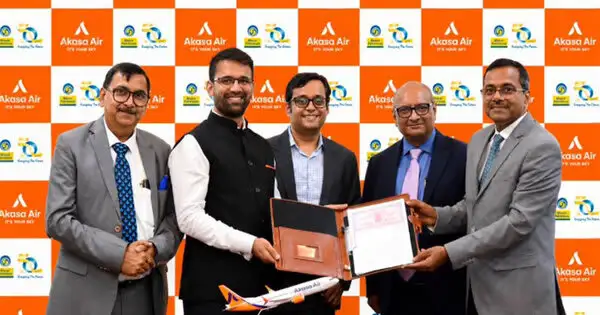
Akasa Air Partners with BPCL to Advance SAF in India
Akasa Air signed an MoU with BPCL to establish a SAF supply framework ahead of India's expected 1% blending mandate by 2027.

Delta, Shell Aviation Ink 5-Year SAF Supply Agreement
Delta Air Lines and Shell Aviation have signed a five-year agreement to supply Sustainable Aviation Fuel across five major U.S. hubs through 2030.
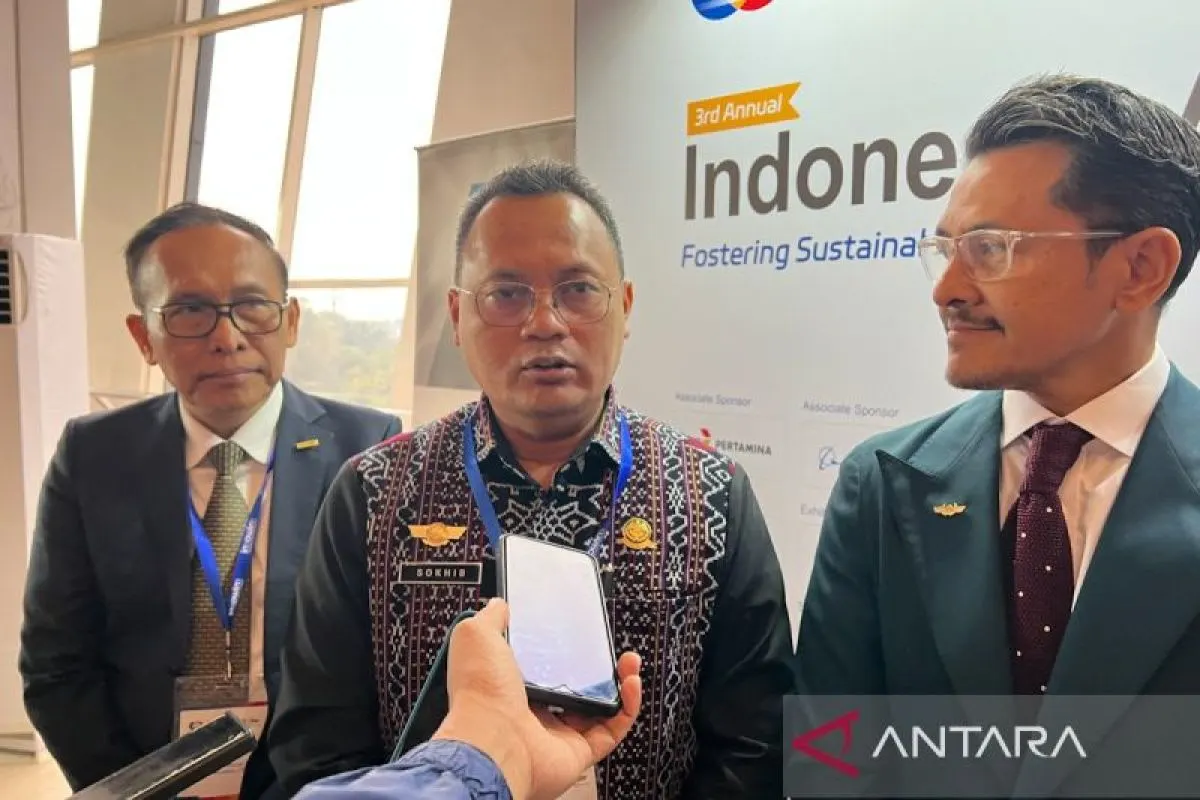
Indonesia to Mandate 1% SAF Blend for Flights by 2027
Indonesia will require a 1% Sustainable Aviation Fuel blend on international flights departing from Jakarta and Bali starting in 2027.
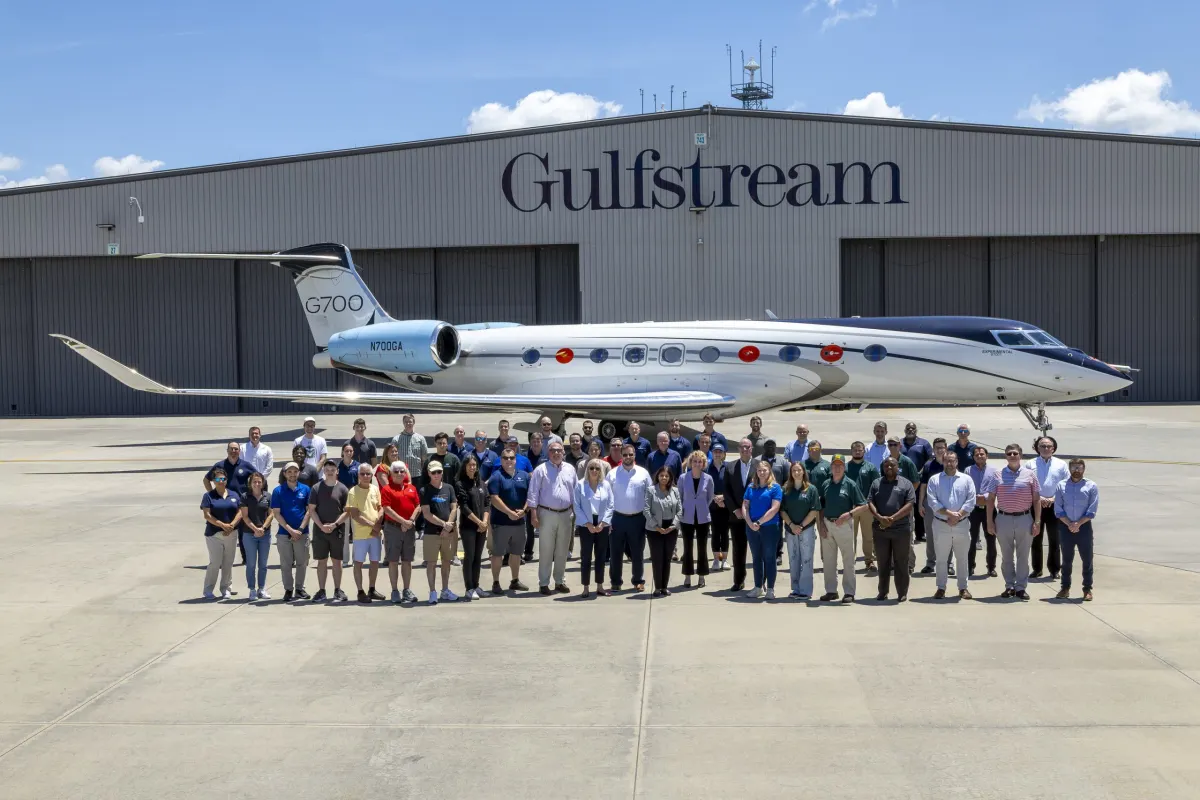
Gulfstream G800 Completes 100% SAF High-Altitude Emissions Test
Gulfstream tested 100% SAF on a G800 at 50,000 feet to measure emissions, marking a key step toward certifying unblended synthetic fuels.
LATAM Airlines Operates First SAF-Linked Passenger Charters
LATAM Airlines Group and PONANT completed 13 charter flights using SAF, reducing 160 tonnes of CO2 emissions via a book-and-claim methodology.