EASA Withdraws H160 Pitch Rod AD After Investigation Finds Maintenance Error

Co-Founder & CEOAviation News Editor delivering trusted coverage across the global aviation industry.
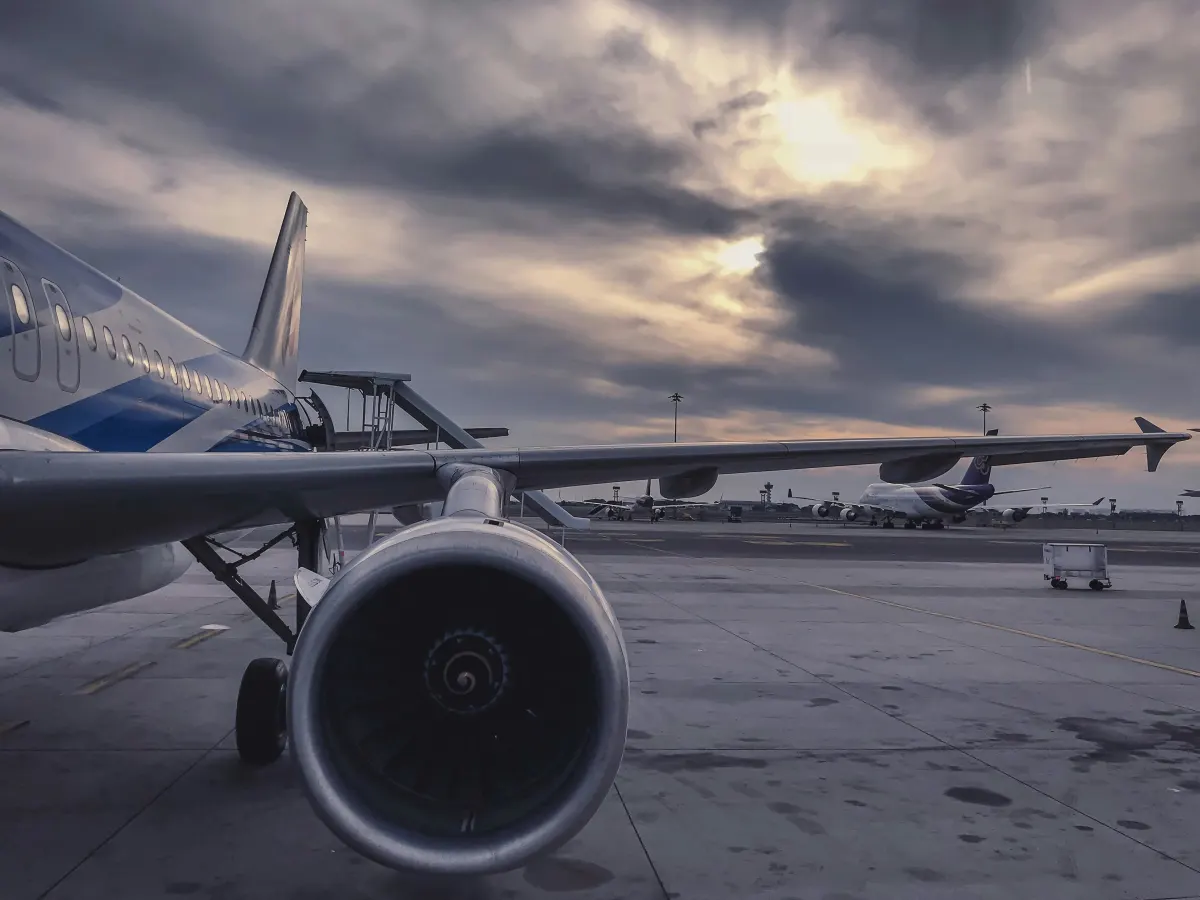
EASA withdraws an H160 pitch rod AD after a CENIPA investigation found a maintenance error, not a design flaw, caused a recent helicopter ditching.
Key Takeaways
- •Withdraws emergency AD for H160 pitch rod bearings after investigation.
- •Identifies maintenance error, not a design flaw, as the root cause of a January 2026 ditching.
- •Eliminates a costly 165-flight-hour component replacement requirement for operators.
- •Vindicates the Airbus H160's airframe integrity, boosting market confidence.
The European Union Aviation Safety Agency (EASA) has withdrawn an emergency Airworthiness Directive (AD) for the Airbus H160 helicopter, reversing a mandate that required the replacement of main rotor pitch rod end bearings. The decision, formalized in a cancellation notice on March 10, 2026, follows an investigation by Brazilian authorities that identified maintenance error, not a design flaw, as the root cause of a recent ditching incident.
The withdrawal provides significant relief to H160 operators worldwide, who are no longer subject to a costly and operationally burdensome component replacement cycle. For Airbus Helicopters, the finding vindicates the structural integrity of its next-generation medium-twin helicopter, averting a potentially damaging fleet-wide issue.
Background of the Incident and AD
The initial safety action was prompted by the January 2, 2026, ditching of an H160 operated by Omni Taxi Aereo in Brazil. All 8 occupants on board survived the incident uninjured. In a swift response demonstrating a highly cautious approach to the relatively new H160 platform, EASA issued AD 2026-0001-E just six days later. The directive mandated the replacement of main rotor pitch rod end bearings at an aggressive interval of every 165 flight hours, based on the preliminary assumption of a potential component fatigue issue.
This immediate action is consistent with regulatory patterns seen in other rotorcraft incidents, where agencies prioritize mitigating potential fleet-wide risk while an investigation proceeds. The United States' Federal Aviation Administration (FAA) followed suit, issuing its own equivalent directive, Emergency AD 2026-01-51, to align with EASA's requirements.
Investigation Identifies Maintenance Error
The investigation, led by Brazil's Centro de Investigação e Prevenção de Acidentes Aeronáuticos (CENIPA), uncovered evidence that shifted the focus from aircraft design to ground procedures. According to CENIPA's preliminary report, the rupture of the pitch rod was caused by an inadequate maintenance procedure performed on December 24, 2025. This error resulted in a permanent plastic deformation of about 2.5 degrees in the pitch rod end bearing, ultimately leading to its in-flight failure.
The investigation's ability to pinpoint the exact cause was significantly aided by modern data-gathering tools. Investigators relied heavily on data from the aircraft's Cockpit Voice and Data Recorder (CVDR), including video from a tail boom camera, as well as hangar CCTV footage from the date of the maintenance activity.
In its official Cancellation Notice 2026-0001-E-CN, EASA stated that "further investigation results evidenced that the rupture of a main rotor pitch rod end was caused by an inadequate maintenance procedure applied by an operator." The agency confirmed that the H160's fatigue strength is in line with its original certification standards.
Technical Analysis
This event follows a familiar pattern in modern rotorcraft safety regulation, echoing precedents like the Airbus Helicopters EC225 Super Puma incident in 2016 and the Sikorsky S-92 main gearbox directives in 2017. In both cases, regulators issued broad, immediate ADs following a major component failure, later refining or withdrawing them as detailed metallurgical and operational analysis revealed a specific root cause. The H160 case reinforces this "act first, verify later" safety doctrine, especially for newer aircraft platforms where in-service data is still being accumulated.
The rapid and accurate diagnosis by CENIPA also highlights a growing industry trend: the crucial role of onboard video and comprehensive data recorders in accident investigation. The availability of clear visual evidence from the CVDR and hangar cameras allowed investigators to move past theoretical fatigue analysis and identify a specific human-factors event. However, some safety analysts argue that while the design is cleared, the incident raises questions about the H160's design for maintainability. The fact that a maintenance error could induce a critical failure without being detected prior to flight may prompt reviews of maintenance procedures and error-proofing features.
What Comes Next
With EASA's directive officially withdrawn, the primary focus shifts to other regulatory bodies and the final accident report. The FAA is expected to withdraw its parallel AD during the second quarter of 2026, relieving U.S.-based operators of the 165-hour replacement mandate. The complete and final accident report from CENIPA is expected in late 2026 or early 2027, which will likely provide detailed recommendations regarding maintenance training and procedures for the H160.
For Omni Taxi Aereo, the finding shifts scrutiny to its maintenance protocols and quality assurance. For Airbus Helicopters, the focus will be on communicating the findings to its global customer base and potentially refining maintenance manual instructions to prevent recurrence.
Why This Matters
This development is significant as it validates the structural design of the Airbus H160, a key product in the competitive medium-twin helicopter market. It removes a major operational and financial cloud from the platform, restoring operator confidence. The case also serves as a powerful reminder of how critical robust maintenance procedures are to aviation safety and demonstrates the effectiveness of a data-driven regulatory system capable of reversing course when evidence dictates.
From airline operations to fleet updates, commercial aviation news lives at omniflights.com. Follow aviation sustainability efforts, emissions research, and green initiatives in the Environmental section at omniflights.com/environmental.
Written by Hardik Vishwakarma
Co-Founder & Aviation News Editor leading initiatives that improve trust and visibility across the global aviation industry. Covers airlines, airports, safety, and emerging technology.
Visit ProfileYou Might Also Like
Discover more aviation news based on similar topics

FAA Faces $3.5 Billion Shortfall in ATC Modernization
FAA Administrator Bryan Bedford reported a $3.5 billion shortfall for the Brand New Air Traffic Control System, totaling $16 billion for Phase One.
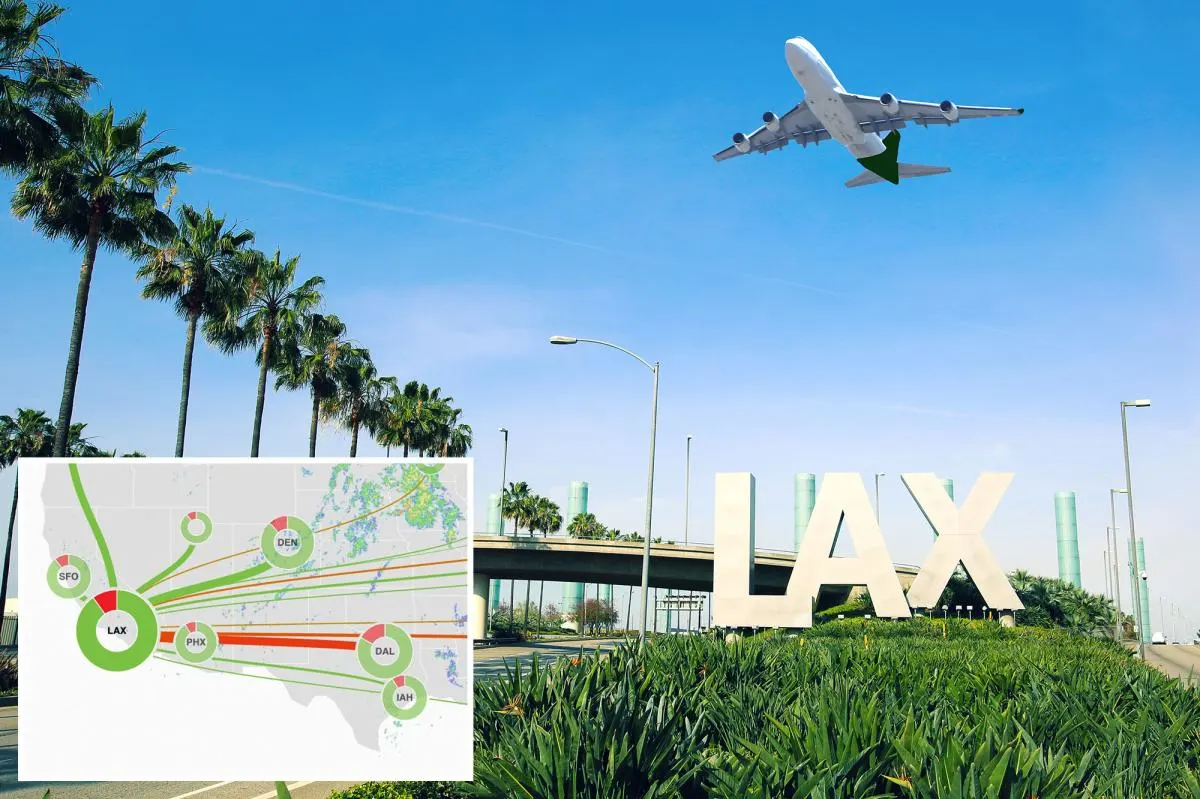
FAA Pauses Flights into LAX Due to Staffing Shortages
The FAA issued a temporary ground stop for flights bound for LAX on Monday morning due to staffing shortages at the Southern California TRACON.
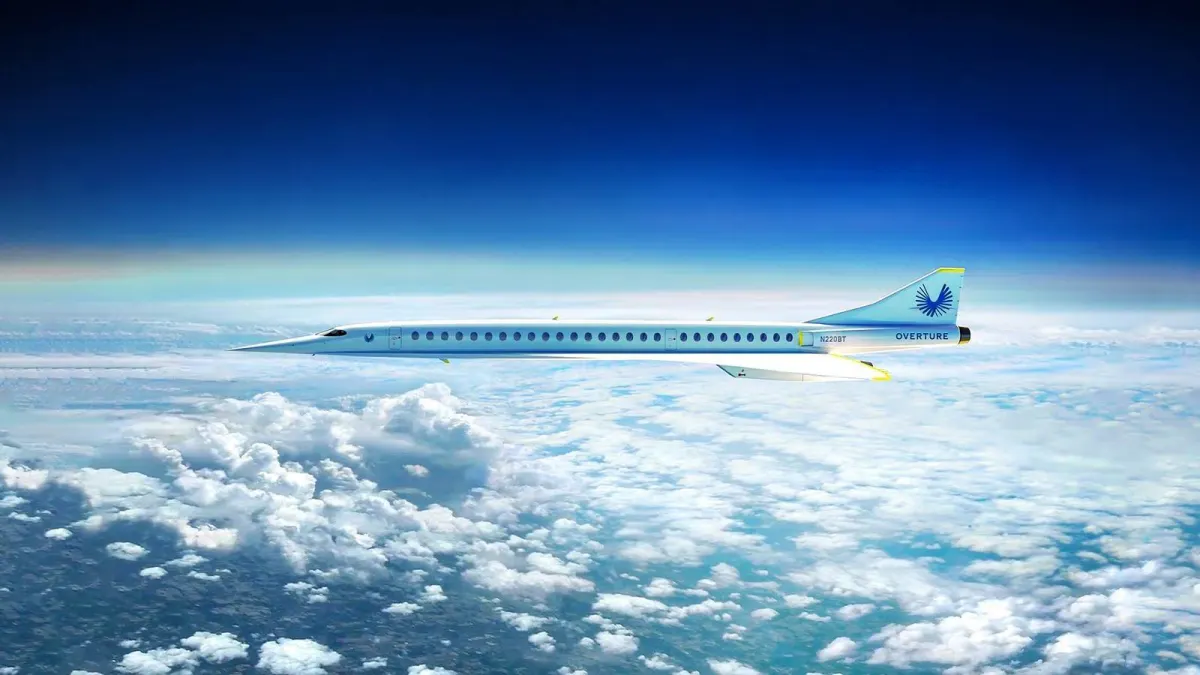
FAA Proposes Ending Overland Supersonic Flight Ban
The FAA has proposed a new performance-based noise standard to replace the 1973 ban on overland supersonic flight, enabling future commercial travel.

DOT Rule Exempts Airlines From Cyberattack Delay Costs
Starting October 19, 2026, the DOT will allow airlines to withhold meal and hotel vouchers for delays caused by cyberattacks and nine other events.

Wizz Air, Ryanair Demand NATS Reform After ATC Failure
Wizz Air and Ryanair are calling for urgent NATS reform after a September 8 system failure caused over 1,000 flight cancellations across the UK.

US Treasury Iran Sanctions Target 27 Airlines, Mahan Air
The U.S. Treasury sanctioned 36 entities, including 27 Iranian airlines, to disrupt illicit procurement networks used by the Iranian government.