Drone Swarms Disrupt Barksdale AFB Nuclear Bomber Operations

Co-Founder & CEOAviation News Editor delivering trusted coverage across the global aviation industry.
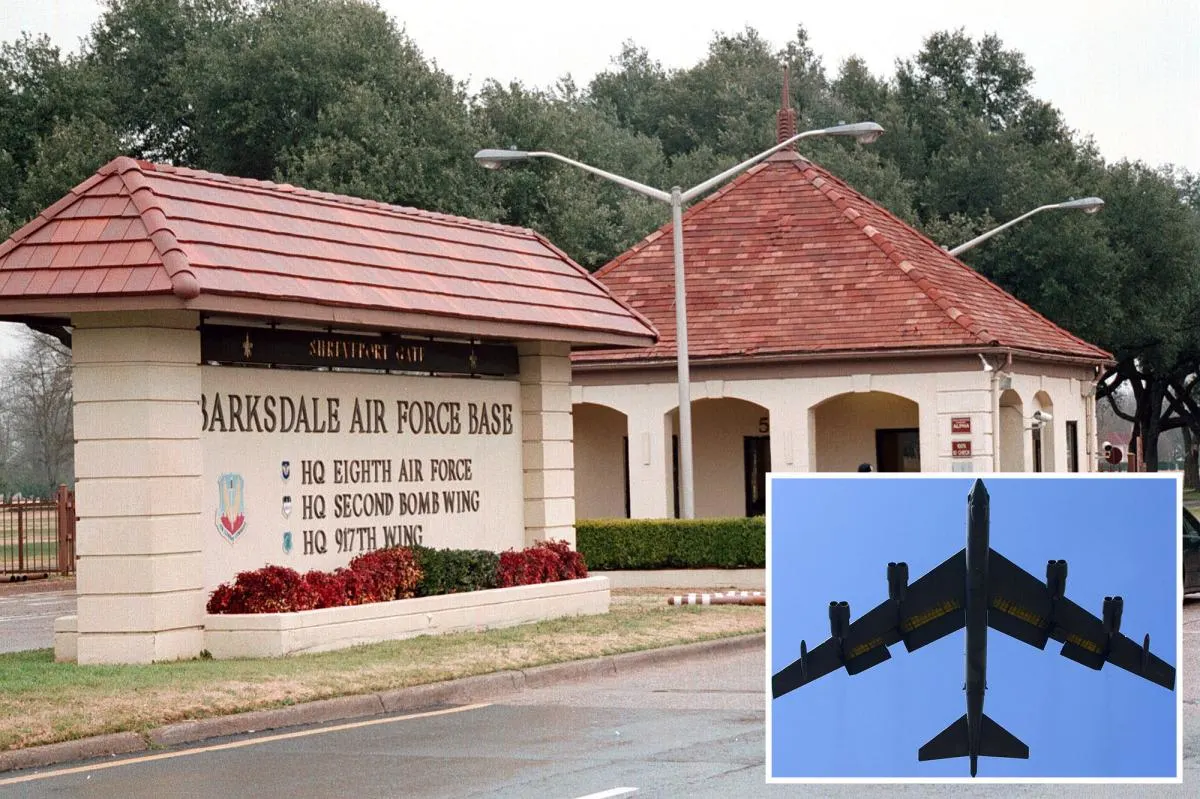
Jamming-resistant drone swarms repeatedly swarmed Barksdale AFB, disrupting nuclear bomber operations and testing U.S. military base security.
Key Takeaways
- •Disrupted nuclear bomber operations at Barksdale AFB with jamming-resistant drone swarms.
- •Involved 12 to 15 custom-built drones per wave over a week-long period.
- •Exposed vulnerabilities in current Counter-UAS defense systems at a strategic U.S. base.
- •Follows a pattern of similar incursions at Langley AFB and allied bases.
Waves of sophisticated, jamming-resistant drones swarmed Barksdale Air Force Base in Louisiana over a week in mid-March, disrupting operations at the home of a significant portion of the U.S. B-52 nuclear bomber fleet. The incursions, involving 12 to 15 drones per wave, tested the base's security protocols and highlighted vulnerabilities in current counter-drone technology, occurring as the base supported a major military exercise.
The repeated flights of unauthorized Unmanned Aircraft Systems (UAS) over Barksdale, headquarters of the Air Force Global Strike Command (AFGSC), represent a significant security challenge. According to an internal military briefing, the drone swarms operated for approximately four hours per day between March 9 and 15, 2026. These events temporarily halted base operations, including B-52H Stratofortress launches, and forced personnel into shelters during 'Operation Epic Fury,' a concurrent military campaign against Iran. The ability of the custom-built drones to resist standard electronic warfare countermeasures raises urgent questions about the defense of critical military installations within the Continental United States (CONUS).
Incident Details and Official Response
The drones exhibited non-commercial signal characteristics and long-range control links, suggesting a level of sophistication beyond that of typical hobbyist aircraft. Mick Mulroy, a former Deputy Assistant Secretary of Defense, characterized the incursions as deliberate and intentional acts designed to probe the base's reaction times and defense capabilities. This assessment negates the possibility of accidental or recreational flights.
In response to the events, base officials emphasized the illegality of such actions. "Flying a drone over a military installation is a federal crime," stated Capt. Hunter Rininger of the 2nd Bomb Wing. This is governed by federal law, specifically 18 U.S.C. § 1382, and Federal Aviation Administration restricted airspace regulations. The Department of Defense's own Counter-UAS (C-UAS) authority governs the use of jamming and kinetic measures against unauthorized drones, yet the deployed systems at Barksdale were unable to neutralize the threat.
Defense analysts suggest the incursions may be a form of state-sponsored espionage aimed at gathering intelligence on U.S. strategic bomber operations. The failure to attribute or neutralize the drones points to what some critics call a significant gap in domestic base defense capabilities.
A Pattern of Vulnerability
This incident is not isolated. It follows a pattern of similar security challenges at other critical U.S. and allied military sites. In December 2023, repeated drone swarms over Langley AFB prompted the relocation of F-22 stealth fighters after 17 consecutive nights of incursions. This historical precedent demonstrates a recurring vulnerability to coordinated UAS threats. Similarly, in November 2025, incursions by custom-built drones at Kleine Brogel Air Base in Belgium, which houses nuclear weapons, led the Belgian government to authorize military shoot-downs.
The trend is clear: the vulnerability of domestic military installations to sophisticated drone swarms is increasing. According to defense data, over 350 drone incursions were reported over U.S. military bases in 2024 alone. The Barksdale event, however, marks an escalation due to the drones' apparent resistance to electronic countermeasures.
The impact of these events extends beyond immediate operational disruptions. For Air Force Global Strike Command, it forced a temporary halt to critical missions. For providers of Counter-UAS technology, it creates urgent demand and likely accelerates funding for more advanced systems capable of defeating frequency-agile or custom-protocol drones. Local law enforcement, including the Bossier Parish authorities, were also required to coordinate with federal agencies to investigate the drones' point of origin.
What Comes Next
The Department of Defense is expected to accelerate its procurement of advanced Counter-UAS technology, with new systems potentially being fielded by mid-2026. These systems will likely focus on a layered defense approach, combining advanced detection, electronic warfare, and kinetic options to counter sophisticated drone threats.
Meanwhile, a federal investigation led by the FBI and the Department of Justice is underway to identify the operators. While no official timeline has been released, findings from the investigation are rumored to be available by late 2026. The outcome will be critical in determining whether the incursions were the work of a non-state actor, a domestic group, or a foreign adversary.
Why This Matters
The drone swarm incursions over Barksdale Air Force Base are more than a simple trespassing incident; they represent a direct challenge to the security of the U.S. nuclear deterrent on home soil. This event exposes a critical capabilities gap in defending against low-cost, high-tech threats that can gather intelligence and disrupt operations at the nation's most sensitive military sites. The incident will almost certainly force a strategic reassessment of domestic base security and accelerate investment in next-generation counter-drone technologies.
omniflights.com provides comprehensive commercial aviation news covering airlines, aircraft, and airports. Stay informed on aviation incidents, investigations, and best practices in the Safety category at omniflights.com/safety.
Written by Hardik Vishwakarma
Co-Founder & Aviation News Editor leading initiatives that improve trust and visibility across the global aviation industry. Covers airlines, airports, safety, and emerging technology.
Visit ProfileYou Might Also Like
Discover more aviation news based on similar topics

Trump Orders Release of 161 Declassified UAP Files
The Trump administration released 161 declassified UAP files via its new PURSUE portal, a move praised for transparency but criticized as a political ploy.

DOE Agent Death Sparks UAP Whistleblower Questions
The 2021 death of a DOE special agent is under new scrutiny following claims he planned to expose secret government UAP programs before he died.
Researcher Claims 4 Alien Species Recovered; Pentagon Denies
Physicist Hal Puthoff alleges the US recovered 4 alien species, sparking debate amid official Pentagon denials from its AARO UAP report.

Declassified FBI Files Detail Nazi Saucer Claims
The DoD has declassified 162 historical UAP files, which include unverified informant claims about Nazi flying saucers, under its PURSUE transparency plan.

Apollo 17 UAP Encounter Detailed in Declassified Files
The Pentagon released 162 declassified UFO files revealing the Apollo 17 crew's 1972 encounter with unexplained 'very bright particles' in lunar orbit.
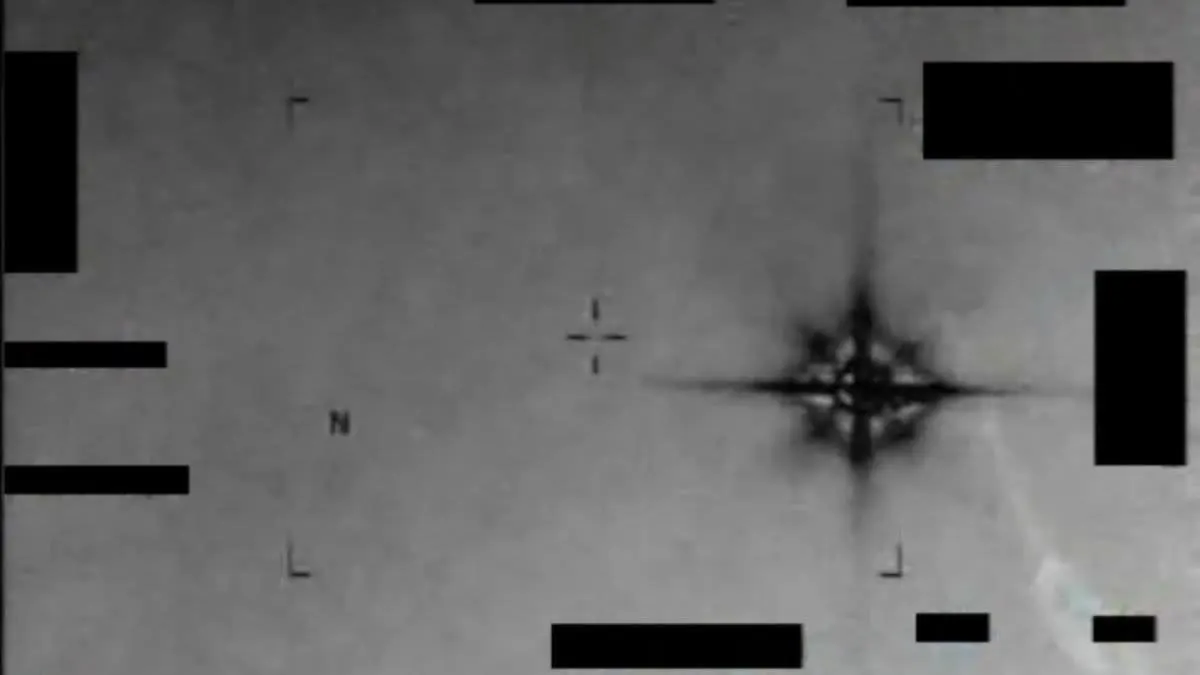
AARO Releases 2013 Star-Shaped UAP Video
The US government released 162 declassified UAP files, including a 2013 video of a star-shaped object that experts suggest is a sensor artifact.