Delhi Airport Warns of Delays as Air India Adds Fuel Surcharge

Aviation News Editor & Industry AnalystAviation News Editor & Industry Analyst delivering clear coverage for a worldwide audience.
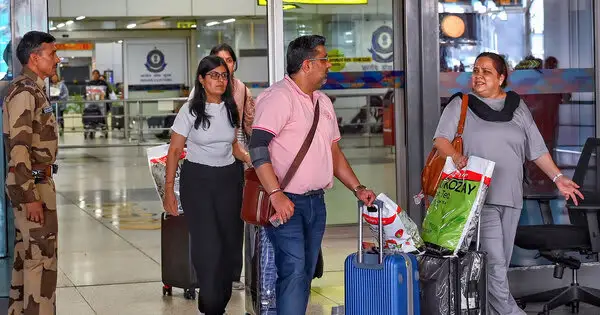
Delhi Airport advises passengers of westbound flight delays and schedule changes due to ongoing geopolitical conflict and rising jet fuel prices.
Key Takeaways
- •Advises international passengers of potential westbound flight delays from Delhi.
- •Cites geopolitical developments in West Asia as the primary cause for disruptions.
- •Details Air India's new three-phase fuel surcharge driven by rising ATF costs.
- •Highlights how local taxes like Excise Duty and VAT amplify fuel price pressures in India.
Officials at New Delhi's Indira Gandhi International Airport are advising international passengers to monitor flight schedules closely amid potential disruptions to westbound services. The advisory comes as regional geopolitical tensions impact flight paths and drive up operational costs, prompting a direct response from India's flag carrier.
Delhi International Airport Limited (DIAL), the operator of the airport, issued a formal advisory on Wednesday, warning that "due to the current geopolitical developments in the Middle East, some westbound international flights may see delays or schedule changes." Passengers are urged to confirm the latest updates with their respective airlines before traveling to the airport. This situation primarily affects carriers operating routes over West Asia, a critical corridor for flights connecting India with Europe and North America.
Airline Financial Pressures Escalate
The operational disruptions are compounded by significant financial pressures on airlines. Air India announced it will implement a phased expansion of fuel surcharges across both its domestic and international networks. The airline cited a steep rise in the price of Aviation Turbine Fuel (ATF), which it stated accounts for nearly 40 per cent of an airline's total operating costs. According to the carrier, jet fuel prices have escalated significantly since the beginning of March 2026 due to supply interruptions stemming from the conflict in the Gulf region.
In a statement, Air India detailed that the new fuel surcharge will be implemented in three phases. The additional cost will apply to all flights, including those operated by its low-cost subsidiary, Air India Express. The airline's management emphasized that the decision was a necessary measure to offset the severe strain on its operating economics.
Geopolitical and Regulatory Context
The underlying cause of the instability is an ongoing conflict in West Asia, which entered its 12th day following a joint US-Israel strike that killed Iran's Supreme Leader. In response, Iran's Islamic Revolution Guards Corps (IRGC) has launched multiple waves of retaliatory operations, creating uncertainty and risk for commercial air traffic in the region.
For Indian carriers, the global price shock of ATF is magnified by domestic regulations. Air India's statement highlighted that high Excise Duty and Value Added Tax (VAT) on jet fuel in major metropolitan hubs like Delhi and Mumbai substantially increase the base cost. This regulatory framework, governed by the central and state governments, places Indian airlines at a disadvantage when global fuel markets become volatile.
To assist affected travelers, DIAL has directed passengers needing immigration support to contact the Foreigners Regional Registration Officer (FRRO). The airport operator also provided information on its official website for real-time flight tracking and suggested nearby hotel options for those facing extended delays.
Broader Industry Implications
The situation in New Delhi reflects a wider industry trend where geopolitical conflicts directly translate into operational and financial challenges for airlines. Rerouting flights to avoid conflict zones increases flight times and fuel consumption, while volatile oil prices directly impact profitability. The implementation of fuel surcharges is a common tool used by carriers to pass on these unpredictable costs to passengers, but it can also dampen travel demand if prices rise too sharply.
The events underscore the delicate balance airlines must maintain between ensuring passenger safety, managing complex flight operations, and navigating severe economic headwinds. As long as the geopolitical situation in the Middle East remains unstable, passengers flying to and from the Indian subcontinent can likely expect continued schedule adjustments and higher ticket prices.
Why This Matters
This development highlights the direct link between geopolitical instability and commercial aviation's operational stability and financial health. For airlines like Air India, rising fuel costs, amplified by local taxation, create immediate pressure on profitability, forcing them to pass costs to consumers via surcharges. For international travelers, it signals a period of potential unpredictability with flight schedules and increased travel expenses, particularly on long-haul routes crossing sensitive airspace.
For global airline trends and commercial aviation news, turn to omniflights.com. For reporting on UAP sightings, investigations, and aviation-related encounters, see the UAPs section at omniflights.com/uaps.
Written by Ujjwal Sukhwani
Aviation News Editor & Industry Analyst delivering clear coverage for a worldwide audience. Covers flight operations, safety regulations, and market trends with expert analysis.
Visit ProfileYou Might Also Like
Discover more aviation news based on similar topics
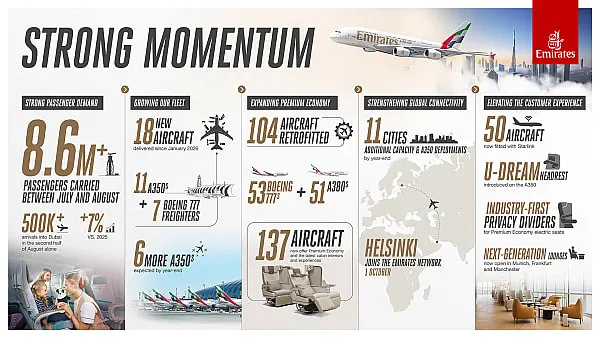
Emirates Winter Booking Momentum Grows Amid Fleet Expansion
Emirates carried 8.6 million passengers this summer and enters winter with strong demand as it accelerates fleet retrofits and network growth.
Air Arabia Consortium Gains AOC for New Dammam Budget Airline
A Saudi GACA-led consortium including Air Arabia has secured an AOC to launch a new budget airline based at Dammam's King Fahd International Airport.
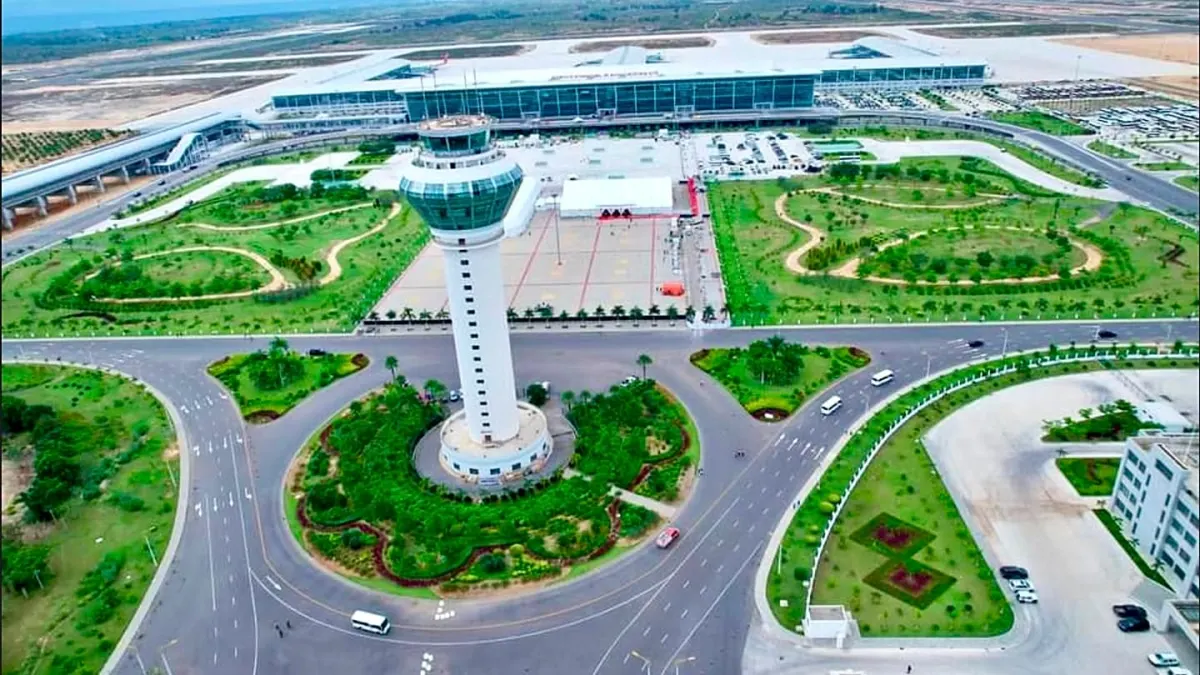
Turkish Airlines Exits Luanda as Angola Hub Struggles
Turkish Airlines dropped its Luanda route as Angola's new airport struggles to attract traffic, handling only 756,028 passengers in 2025.

Red Sea Airlines Leases Two 737 MAX 8s for 2027 Expansion
Red Sea Airlines signed a lease for two Boeing 737 MAX 8 aircraft from SMBC Aviation Capital, arriving in 2027 to support its 14-aircraft fleet goal.
Avelo CEO Warns Airfares May Rise on Jet Fuel Price Spikes
Avelo Airlines CEO Andrew Levy warns that rising fuel costs may force fare increases as global jet fuel prices reach $171.01 per barrel.
IndiGo, Air India Battle for Mumbai-Delhi Route Dominance
IndiGo and the Air India group are competing for dominance on the Mumbai-Delhi air route, which saw 13.9 percent capacity growth this September.