Bristol Airport Study Confirms Nuclear-Powered SAF Production Feasibility

Aviation News Editor & Industry AnalystAviation News Editor & Industry Analyst delivering clear coverage for a worldwide audience.

Bristol Airport's study finds small modular reactors could produce SAF and hydrogen, potentially cutting flight emissions by 29% by 2035.
Key Takeaways
- •Confirms SMRs can help cut Bristol Airport flight emissions by 29% by 2035.
- •Projects a single Rolls-Royce SMR could produce over 160 million liters of SAF annually.
- •Aligns with the UK SAF mandate requiring 22% sustainable fuel by 2040.
- •Establishes a model for airports to become localized, low-carbon energy hubs.
A feasibility study concluded by Bristol Airport has determined that Small Modular Nuclear Reactors (SMRs) can provide the necessary energy to produce Sustainable Aviation Fuel (SAF) and hydrogen at scale. The findings suggest this approach could reduce emissions from flights operating out of the airport by 29% by 2035, offering a potential long-term solution to one of aviation's most significant decarbonization challenges.
The study, a collaboration with energy-transition consortium Equilibrion, explores the viability of its Eq.flight project. This initiative aims to use the consistent, low-carbon baseload power from SMRs for a Power-to-Liquids (PtL) process, which synthesizes e-SAF from captured carbon dioxide and hydrogen. The project is backed by a £1 million grant from the UK Government's Advanced Fuels Fund, administered by the Department for Transport (DfT), highlighting its alignment with national decarbonization strategy. This moves beyond theoretical concepts to establish a concrete technological and economic pathway for localized, high-volume SAF production.
Hannah Pollard, Head of Sustainability at Bristol Airport, noted that nuclear-derived SAF offers "huge potential for a reliable, affordable supply." The initiative is part of the airport's Airport Carbon Transition (ACT) programme, a strategic fund designed to accelerate decarbonization projects. Dr. Phil Rogers, Director at Equilibrion, emphasized the regional benefits, stating that producing low-carbon fuels near their point of use creates local jobs and investment.
Industry Impact
The project represents a strategic shift for airports, positioning them not just as transport hubs but as integral components of regional energy infrastructure. For stakeholders like Equilibrion and Rolls-Royce SMR, it opens a significant commercial use-case for nuclear technology beyond supplying grid electricity, tapping into the industrial synthetic fuel market. According to a Memorandum of Understanding between the two companies, a single 470 MW Rolls-Royce SMR could produce over 160 million liters of SAF per year.
For Bristol Airport, a localized supply chain for SAF and hydrogen would provide a critical hedge against global supply shortages and price volatility. Current global SAF production accounts for less than 1% of total aviation fuel demand, according to the International Air Transport Association (IATA). This project directly addresses that supply gap.
The development also aligns with strict regulatory drivers. The UK's SAF Mandate requires 22% of aviation fuel to be sustainable by 2040, including a specific sub-target for PtL fuels. Nuclear-powered e-SAF production offers a direct route to meeting these ambitious targets.
Technical Analysis
The primary advantage of using SMRs for e-SAF synthesis is their ability to provide immense quantities of clean, dependable baseload electricity and heat—a critical requirement for the energy-intensive PtL process. This contrasts sharply with renewable sources like wind and solar, whose intermittency poses significant challenges for industrial-scale chemical plants that require constant operation. Alan Woods, Director of Strategy and Business Development at Rolls-Royce SMR, confirmed that SMR technology provides the "clean, dependable baseload energy required for large-scale SAF production."
This development builds on previous industry efforts to secure future fuel supplies. In 2022, United Airlines invested in novel SAF pathways, demonstrating a trend of airlines moving upstream in the supply chain. Similarly, Rolls-Royce's successful hydrogen combustion engine tests with easyJet in 2022 highlighted the industry's broad exploration of alternative energy sources. The Bristol Airport study accelerates this trajectory by focusing on the foundational energy source needed to make these alternative fuels commercially viable. While environmental groups express concerns over nuclear waste and costs, the aviation industry is increasingly viewing SMRs as a pragmatic tool to meet decarbonization goals that are unattainable with current SAF production methods alone.
Rolls-Royce SMR vs Conventional SAF Plants
| Metric | Rolls-Royce SMR | Conventional SAF Plants |
|---|---|---|
| Energy Source | 470 MW Nuclear Baseload | Variable Renewables / Grid Power |
| Output Potential | >160m Liters/year per SMR | Highly variable based on feedstock availability |
| Lifecycle Emissions | Over 90% reduction | 70-80% for typical HEFA SAF |
What Comes Next
With the feasibility study complete, the next major step for the Eq.flight project is the delivery of a UK-based demonstration plant. According to Equilibrion and the DfT, this milestone is expected by 2030. Looking further ahead, the project's output will be crucial for airlines and fuel suppliers to meet the UK's legally binding SAF Mandate, which is confirmed to require 22% sustainable fuel by 2040.
Why This Matters
This study provides one of the most credible roadmaps for scaling e-SAF production, directly addressing the critical bottleneck of energy supply. By pairing SMR technology with PtL synthesis at an airport, the project creates a template for localized, self-sufficient low-carbon fuel hubs. If successful, this model could be replicated globally, fundamentally changing the energy logistics of the aviation industry and making its net-zero ambitions more attainable.
For in-depth airline coverage and commercial aviation news, omniflights.com delivers timely industry insights. For detailed airline coverage, route changes, and fleet moves, explore the Airlines section at omniflights.com/airlines.
Written by Ujjwal Sukhwani
Aviation News Editor & Industry Analyst delivering clear coverage for a worldwide audience. Covers flight operations, safety regulations, and market trends with expert analysis.
Visit ProfileYou Might Also Like
Discover more aviation news based on similar topics

American Airlines Flies First U.S. eSAF Passenger Flight
American Airlines completed the first U.S. commercial flight using Infinium eSAF, a synthetic fuel that reduces lifecycle emissions by over 90%.
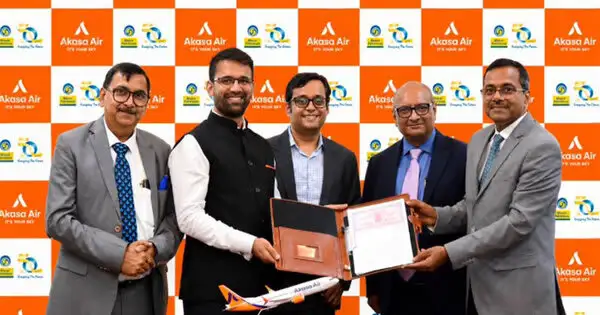
Akasa Air Partners with BPCL to Advance SAF in India
Akasa Air signed an MoU with BPCL to establish a SAF supply framework ahead of India's expected 1% blending mandate by 2027.

Delta, Shell Aviation Ink 5-Year SAF Supply Agreement
Delta Air Lines and Shell Aviation have signed a five-year agreement to supply Sustainable Aviation Fuel across five major U.S. hubs through 2030.
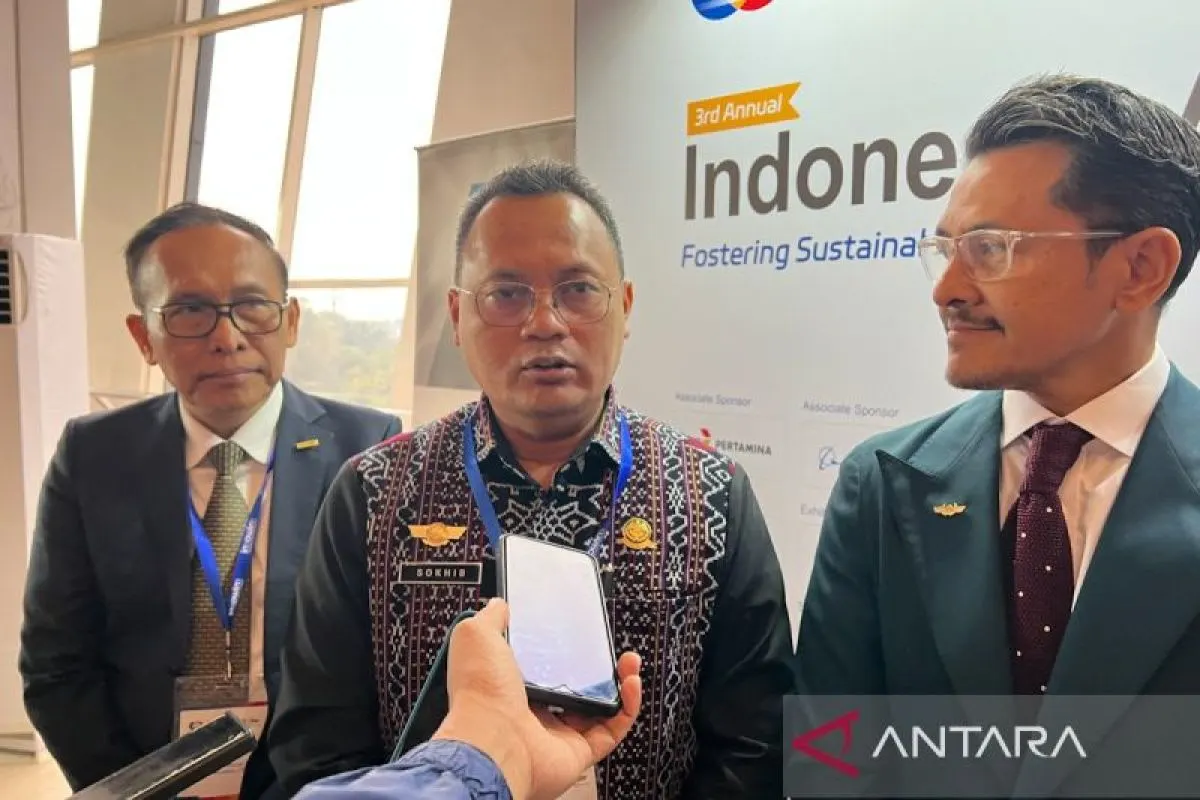
Indonesia to Mandate 1% SAF Blend for Flights by 2027
Indonesia will require a 1% Sustainable Aviation Fuel blend on international flights departing from Jakarta and Bali starting in 2027.
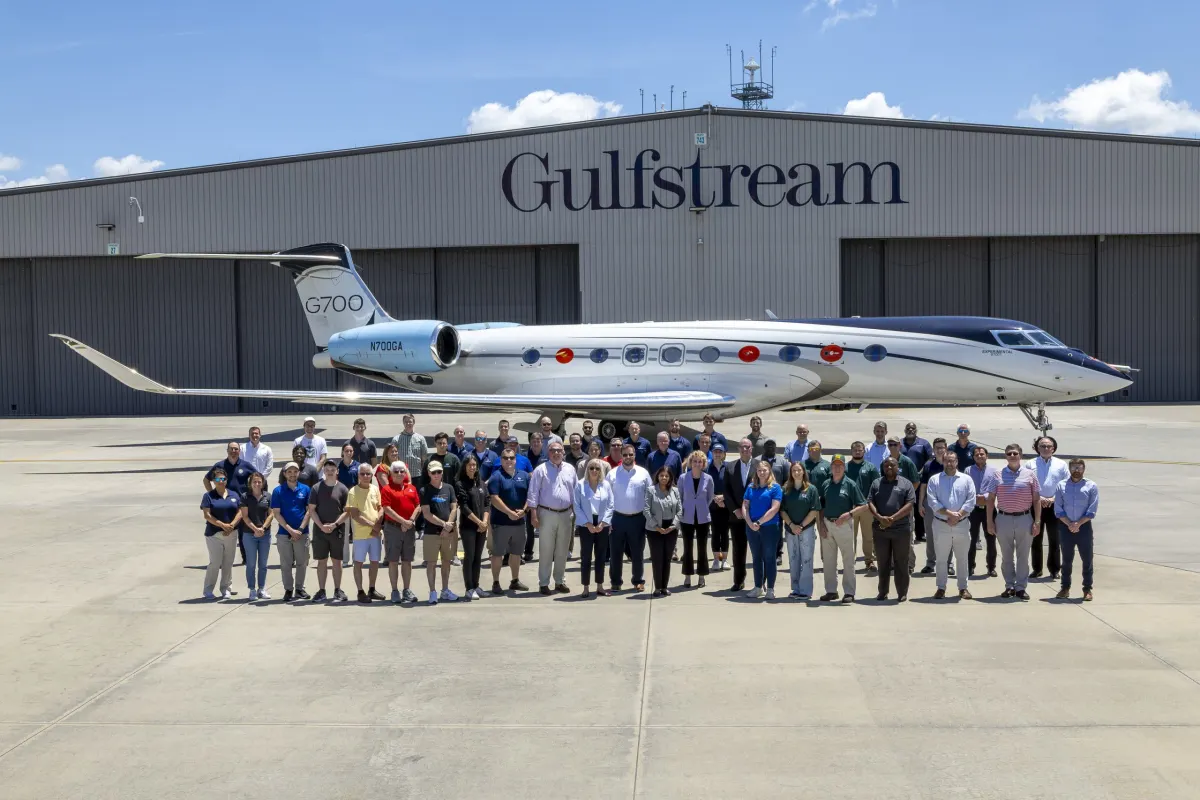
Gulfstream G800 Completes 100% SAF High-Altitude Emissions Test
Gulfstream tested 100% SAF on a G800 at 50,000 feet to measure emissions, marking a key step toward certifying unblended synthetic fuels.

LATAM Airlines Operates First SAF-Linked Passenger Charters
LATAM Airlines Group and PONANT completed 13 charter flights using SAF, reducing 160 tonnes of CO2 emissions via a book-and-claim methodology.